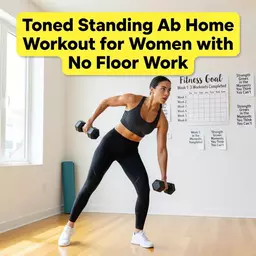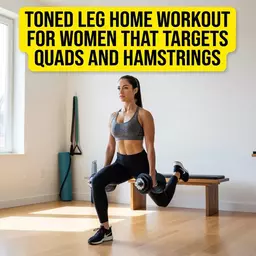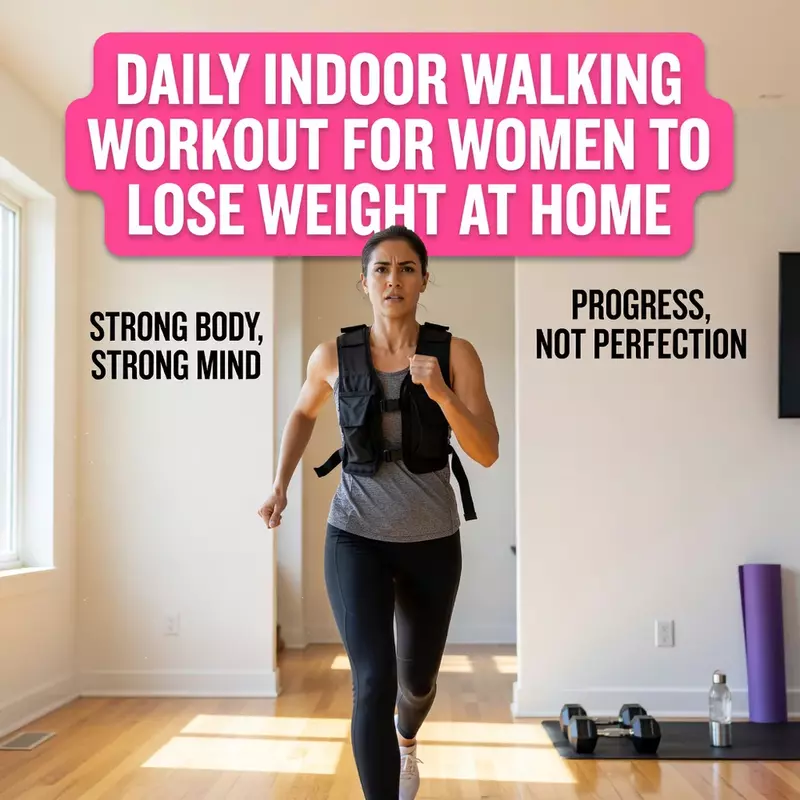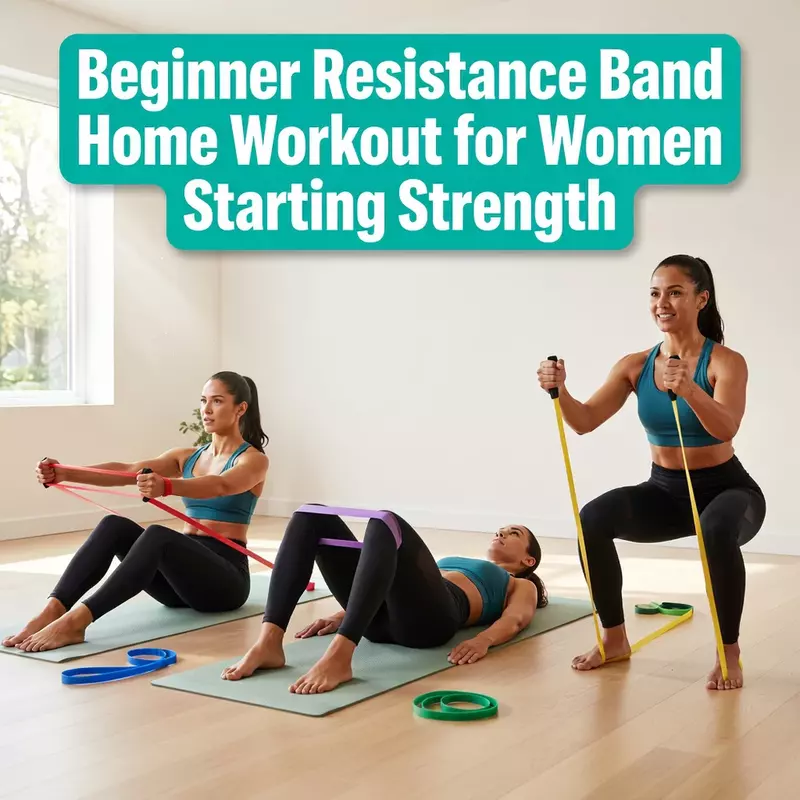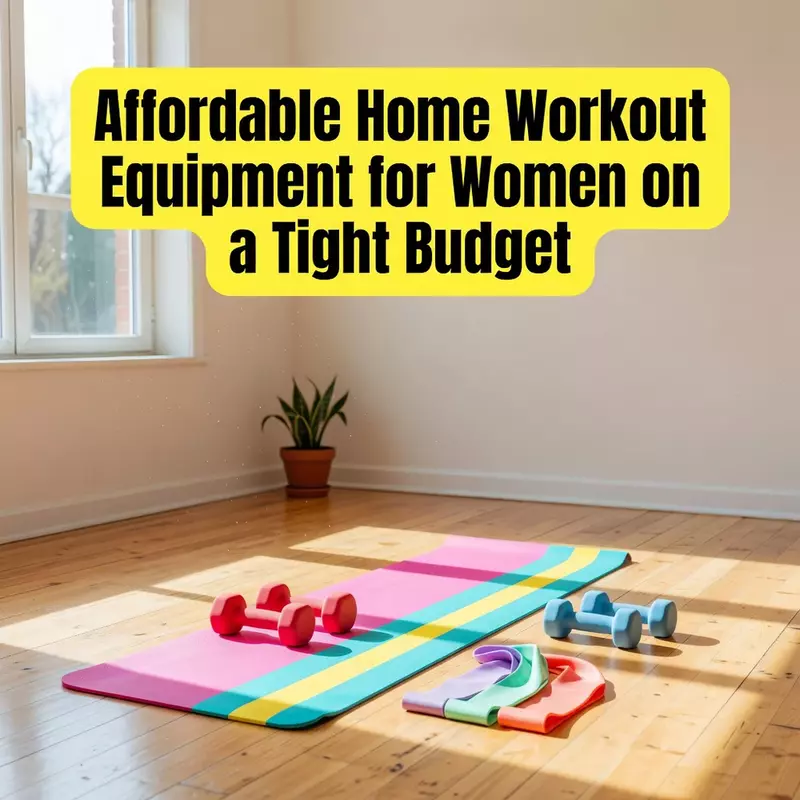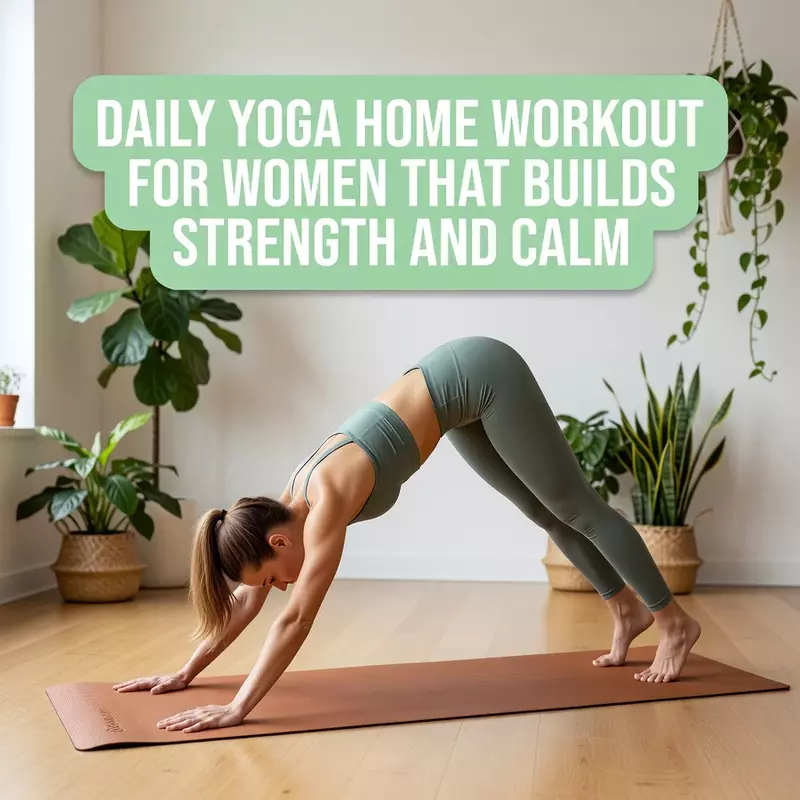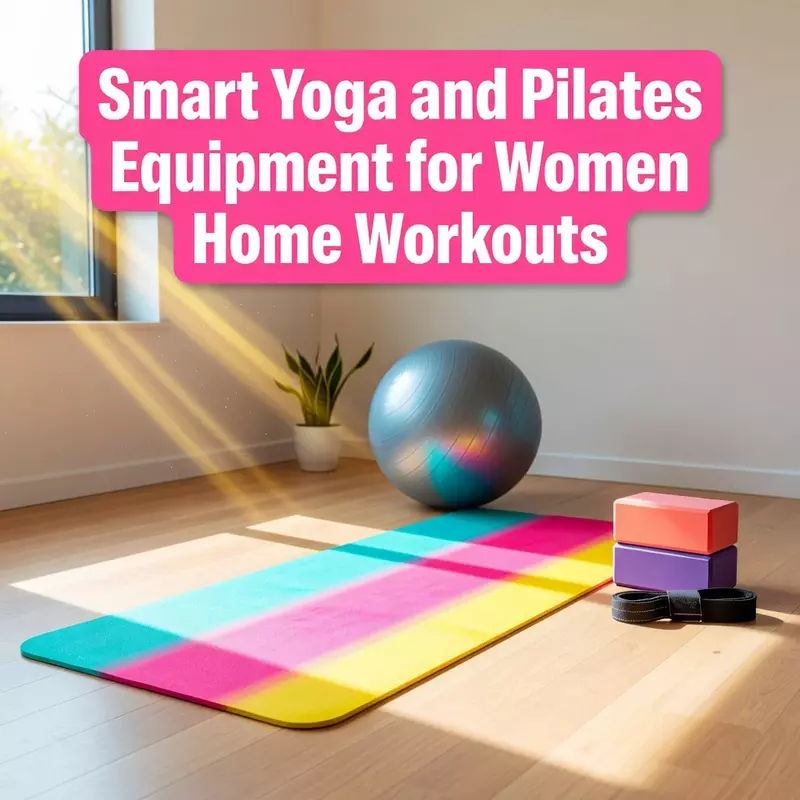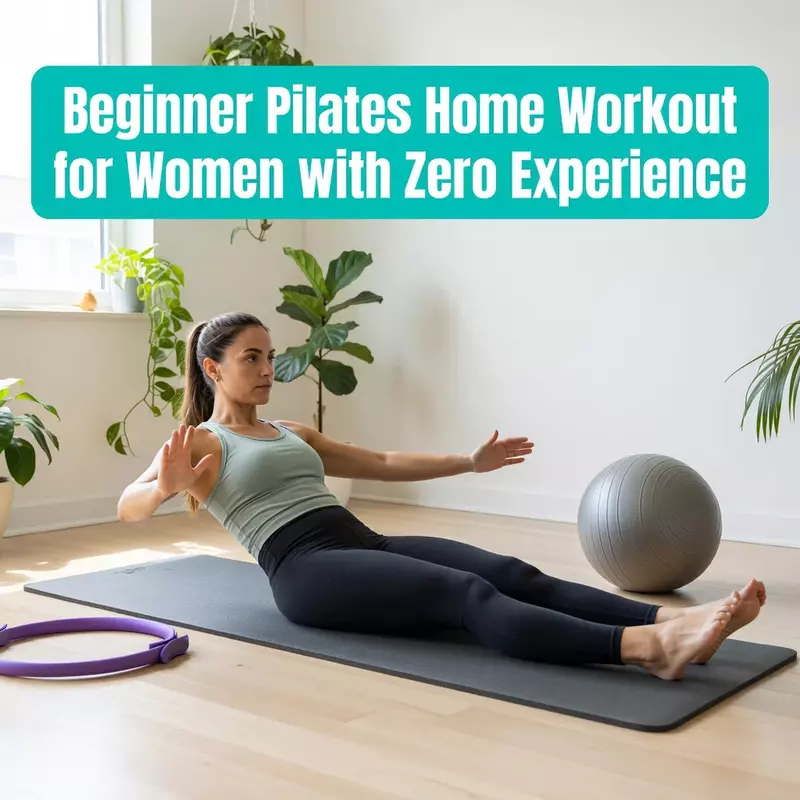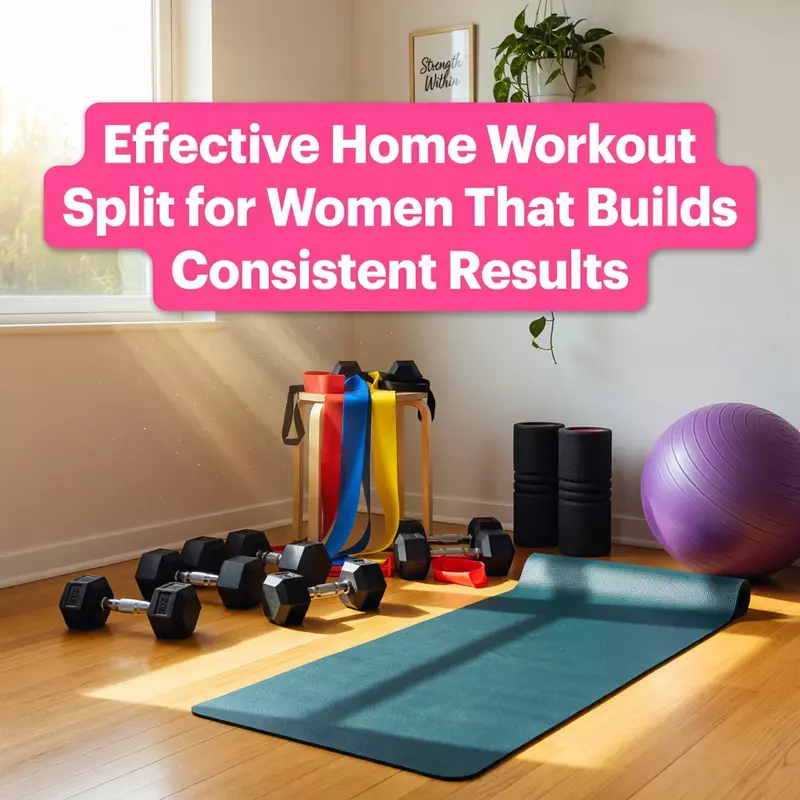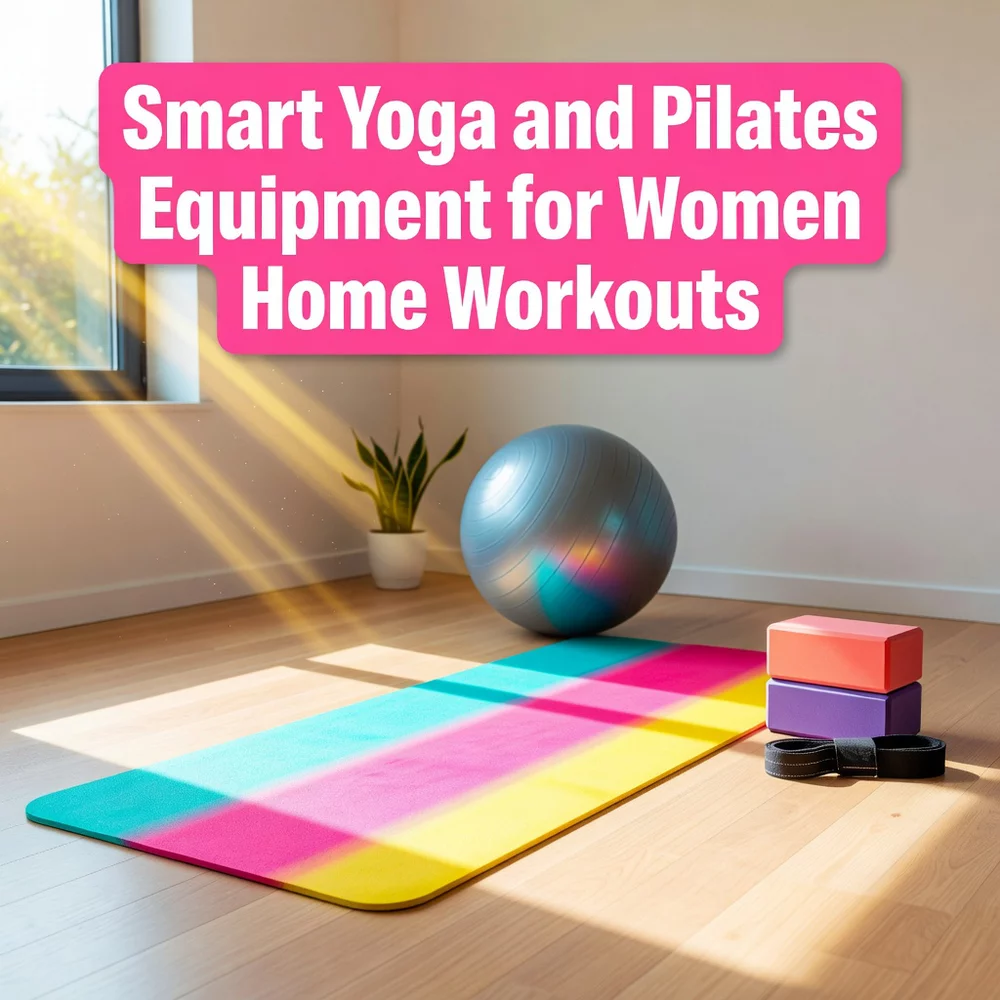

Elevating your yoga and Pilates practice at home can feel overwhelming, especially without the right tools. Quality equipment is essential for enhancing comfort, safety, and effectiveness during workouts. Here are 7 essential items that can support and deepen your at-home workouts, starting with the foundation of any practice: a thick, non-slip yoga mat.
Thick Non-Slip Yoga Mat for Home Workouts That Cushions Every Position
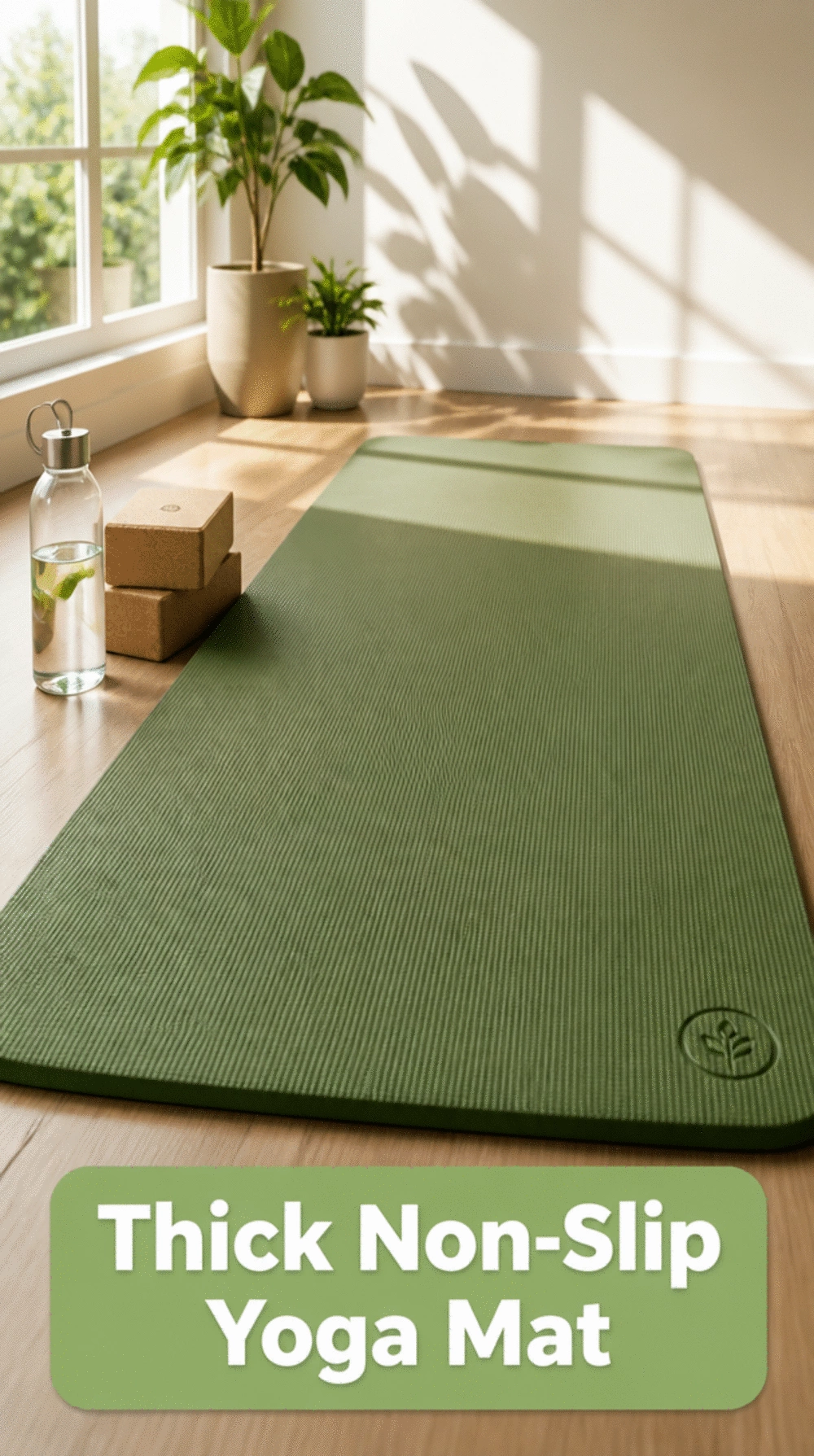
Enjoy every yoga session with a comfortable and supportive mat.
As an Amazon Associate I earn from qualifying purchases. Affiliate links may earn me a commission at no extra cost to you.
Why a Quality Yoga Mat Matters: Having a thick yoga mat is essential for joint protection and stability during workouts. Opting for a mat with at least 10mm cushioning provides excellent support, alleviating discomfort during various poses. A non-slip surface ensures you maintain your balance, allowing for a versatile practice, whether it’s yoga or Pilates.
What People Rarely Consider is that many yogis tend to underestimate the importance of mat thickness. A thin mat may feel fine initially, but it can lead to discomfort and even injury over time, especially during more intense workouts. Choosing the wrong mat can significantly hinder your performance and enjoyment.
- ★Consider an extra-thick yoga mat like the Extra Thick Yoga Mat for Home Workouts for ultimate comfort.
- ★Look for a non-slip surface to ensure stability during challenging poses.
- ★Pay attention to mat dimensions; a wider mat provides more space for dynamic movements.
⭐ Top Products for Home Workouts
Extra Thick Yoga Mat for Home Workouts
This extra thick yoga mat offers great cushioning for a comfortable and safe workout experience.
View on Amazon →Extra Wide Non-Slip Exercise Mat
This mat features ample space for all your home workouts, ensuring comfort and stability.
View on Amazon →Extra Wide Eco-Friendly Yoga Mat
This eco-friendly mat provides superior grip for various exercises while being lightweight.
View on Amazon →💡 Quick Tips:
- Choose the Right Thickness: Opt for at least 10mm to protect joints and enhance comfort.
- Prioritize Non-Slip Features: Ensure your mat has a good grip to prevent slips during practice.
- Consider Size: A wider mat offers more space for dynamic movements, making your practice more enjoyable.
Home Workout Yoga Block Set That Supports Women in Every Standing Pose
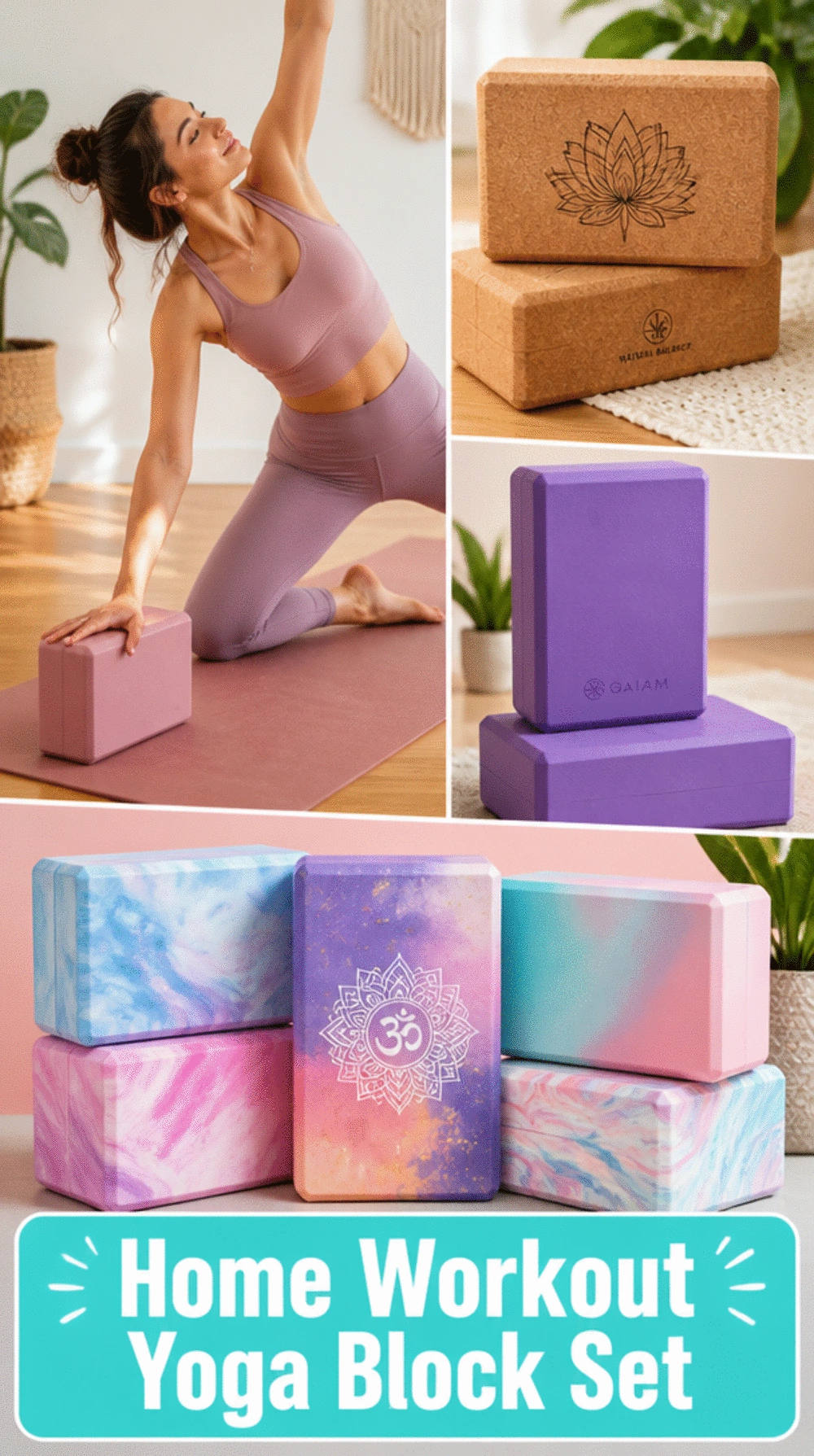
Elevate your standing poses with essential yoga blocks for support and stability.
How Yoga Blocks Enhance Your Standing Poses: Yoga blocks are essential tools that provide stability and support in various standing poses. They help you maintain balance and can make challenging poses more accessible, allowing you to deepen your practice effectively. Many blocks come in eco-friendly materials, like cork or foam, ensuring comfort and reliability.
Where Most People Get Stuck: Many yogis tend to overlook the importance of using blocks, especially during more complex standing poses. For example, trying to reach the floor in a forward bend can be frustrating without the proper support. This often leads to strain or improper alignment, which can hinder your progress and increase the risk of injury.
- ★Use blocks to extend your reach in standing poses for better alignment.
- ★Consider cork blocks for their durability and eco-friendliness — great for your practice.
- ★Avoid the mistake of not using blocks when they can prevent injury and enhance flexibility.
⭐ Top Products for Yoga Support
Natural Cork Yoga Blocks Set
These eco-friendly cork blocks are perfect for enhancing balance and support in every pose.
View on Amazon →Premium Cork Yoga Blocks
These sturdy cork blocks enhance stability for various yoga practices and challenging poses.
View on Amazon →Cork Yoga Blocks for Stability
These high-density cork blocks provide critical stability for various yoga practices and poses.
View on Amazon →📋 Quick Tips:
- Choose the Right Material: Opt for cork for better stability and eco-friendliness.
- Use Blocks for Balance: Incorporate blocks in challenging poses for enhanced stability and confidence.
- Experiment with Height: Try different block heights to find your ideal support during stretches.
Yoga Strap for Home Workouts That Deepens Every Hamstring and Hip Stretch
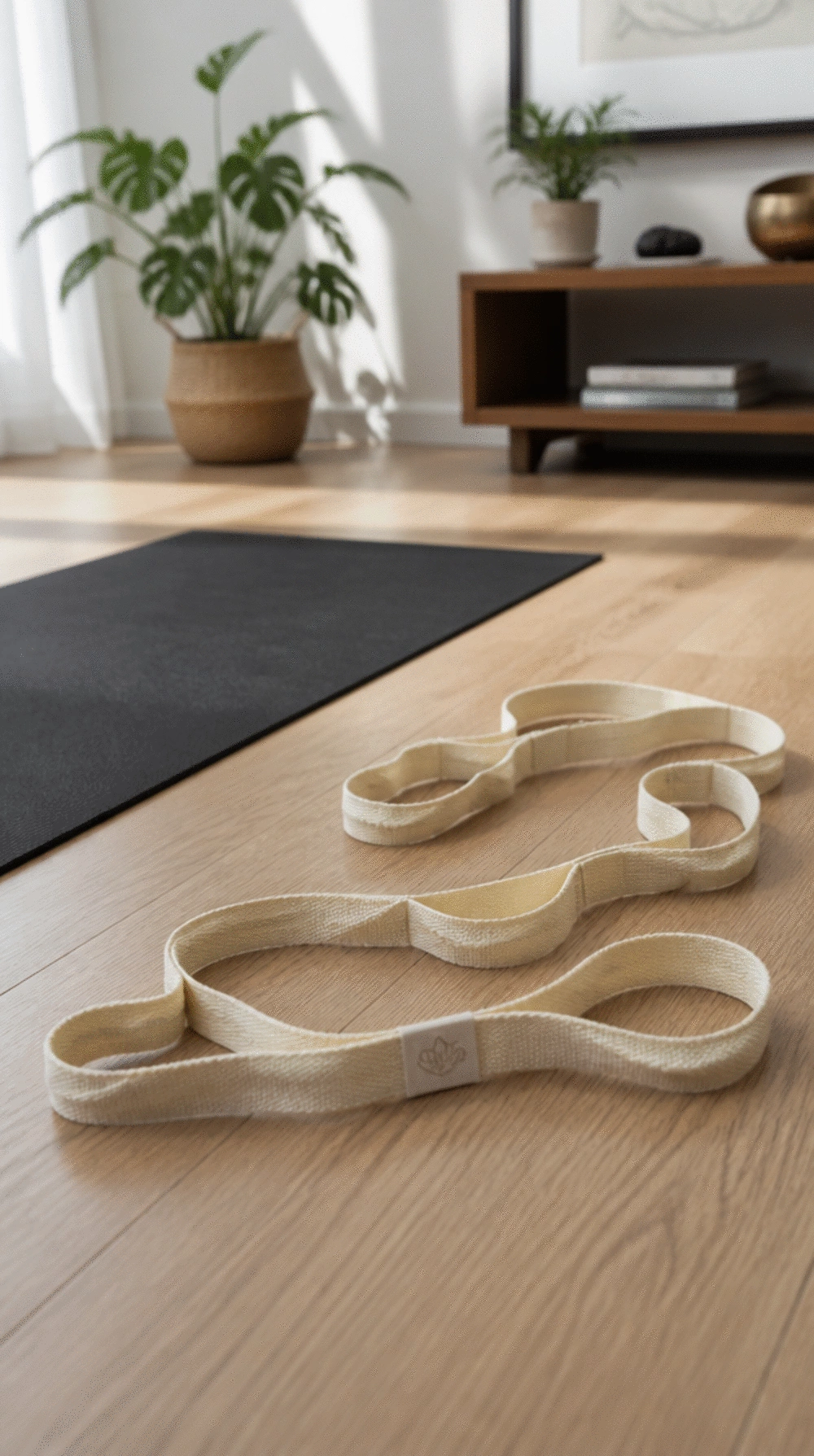
Enhance your flexibility and comfort with the right yoga strap.
Why a Yoga Strap Matters: A yoga strap is an essential tool for enhancing flexibility and achieving deeper stretches, especially for hamstrings and hips. By allowing you to safely extend your reach, a strap not only improves your posture but also minimizes the risk of injury during your practice.
What People Rarely Consider: Many beginners underestimate the impact a yoga strap can have on their flexibility journey. For instance, when trying to reach your toes during a hamstring stretch, a strap helps you maintain proper alignment while gradually progressing into the stretch. It's easy to overlook this simple yet effective tool that can make a significant difference.
- ★Start with the strap looped around your foot to deepen hamstring stretches effectively.
- ★Use multiple loops to adjust strap length based on your flexibility level.
- ★Avoid rushing; gradually work into stretches for the best results and avoid injury.
⭐ Recommended for Stretching and Flexibility
Premium Stretch Strap with Loops
This strap offers expert-approved guidance for safe stretching and flexibility enhancement.
View on Amazon →Trideer Stretching Strap with Loops
This durable strap supports various exercises, improving flexibility and strength simultaneously.
View on Amazon →Stretching Strap with Loops
This versatile strap enhances flexibility, aiding in deeper stretches for improved posture.
View on Amazon →💡 Quick Tips:
- Position the strap: Always loop the strap around the foot to ensure proper alignment.
- Use the loops: Adjust the strap length using the loops based on your flexibility level.
- Engage your core: Maintain a strong core during stretches to enhance stability and effectiveness.
Pilates Ring Home Workout Tool That Adds Resistance to Every Mat Session
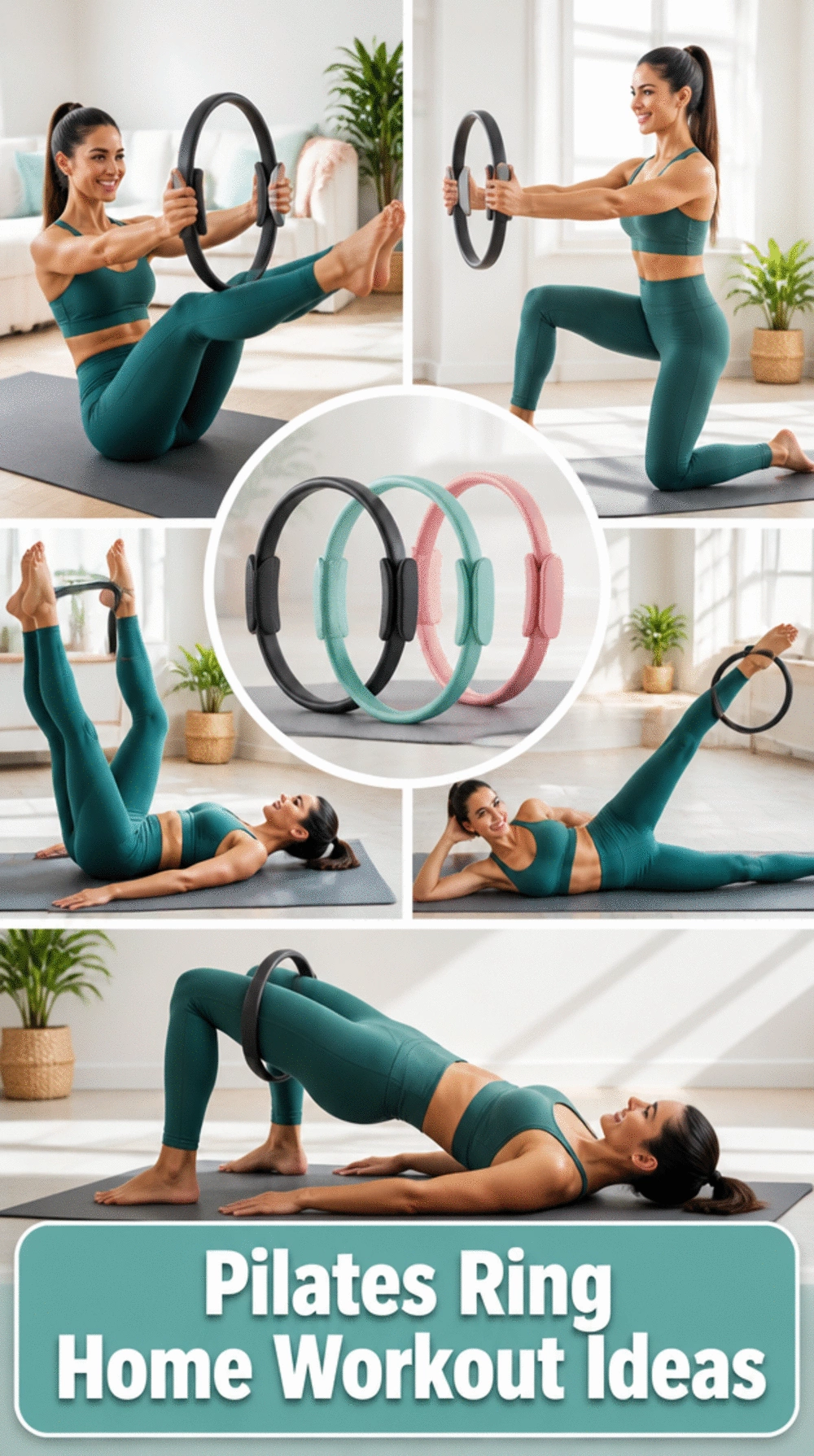
Enhance your Pilates routine with a versatile ring for effective workouts.
Why a Pilates Ring is Essential: A Pilates ring is not just a tool; it's a game-changer for enhancing strength and toning targeted muscle groups. This lightweight, circular device adds resistance to your workouts, allowing you to effectively engage your arms, thighs, and core during mat sessions. With a typical diameter of 14 inches, it easily fits into any home workout setup.
What People Rarely Consider: Many beginners overlook the importance of proper form when using the Pilates ring. For example, pressing too hard with your hands or feet can lead to strain and reduce the effectiveness of your workout. Taking the time to understand the correct technique will ensure you get the most out of your sessions.
- ★Incorporate the ring in traditional exercises like squats or leg presses to increase resistance.
- ★Use it to target specific areas, like your inner thighs, by squeezing while performing leg lifts.
- ★Avoid pressing too hard with the ring; focus on controlled movements for better results.
⭐ Best Products for Pilates Workouts
14 Inch Pilates Ring with Poster
This versatile Pilates ring helps tone arms and thighs while improving core strength.
View on Amazon →Pilates Ring and Ball Set
This set provides a comprehensive Pilates approach focusing on strength and flexibility.
View on Amazon →Pilates Ring and Resistance Bands Set
This set enhances Pilates with versatile resistance for effective strength training.
View on Amazon →🚀 Simple Ways to Apply It:
- Practice Controlled Movements: Focus on slow, deliberate presses with the Pilates ring for better results.
- Engage Core Muscles: Always activate your core while using the ring to maximize strength gains.
- Mix up Your Routine: Incorporate the ring with traditional Pilates moves to keep your workouts fresh and effective.
Taking action, even in small ways, shifts everything. Every piece of equipment you consider moves you closer to a more supportive home practice, and those mindful efforts truly add up. This is about building a routine that feels good and lasts, not about immediately mastering every pose.
✨ Worth Remembering:
- Focus on how equipment can enhance comfort and prevent strain.
- Small adjustments with tools can lead to significant flexibility gains over time.
- Consistency with your practice is more impactful than intensity from the start.
- Consider how your equipment choices can support daily motivation.
Home Workout Exercise Ball That Challenges Core Stability in Every Move
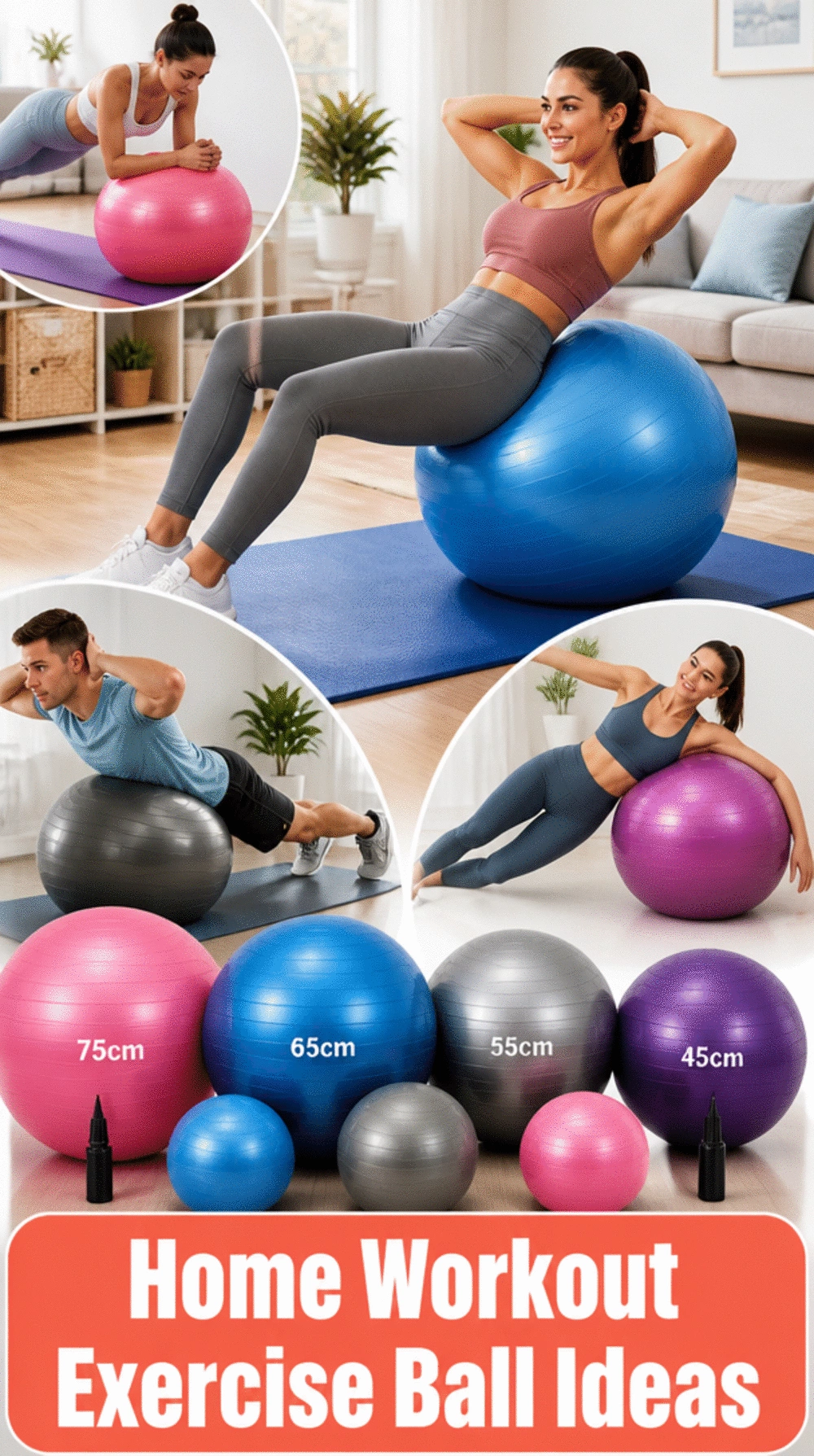
Enhance your core workouts with the right exercise ball.
Why Core Stability Matters: An exercise ball engages your core muscles effectively, enhancing strength and balance. They’re versatile tools for various workouts, from Pilates to traditional exercises, helping improve posture and stability while making your routines more dynamic.
Where Most People Get Stuck: Many overlook the importance of selecting the right size exercise ball. Choosing a ball that’s too small or too large can hinder your workout effectiveness. For instance, a 65cm ball is ideal for someone around 5'7" tall, ensuring proper engagement during movements.
- ★Incorporate the ball into planks for a core challenge.
- ★Select a size based on your height for optimal effectiveness.
- ★Ensure the ball is properly inflated to avoid injuries.
⭐ Top Products for Core Stability
Multiple Sizes Balance Ball
Improve core strength with this versatile balance ball suitable for various workouts.
View on Amazon →Anti-Burst Exercise Ball for Yoga
This durable ball enhances core stability during yoga and physical therapy practices.
View on Amazon →Stability Ball for Core Strength
Enhance posture and balance with this easy-to-clean stability ball for workouts.
View on Amazon →🚀 Quick Tips:
- Choose the Right Size: Select an exercise ball size appropriate for your height to maximize effectiveness.
- Engage Your Core: Focus on engaging your core muscles during movements for better stability and strength.
- Inflate Properly: Ensure your ball is properly inflated to avoid slipping or rolling during exercises.
Foam Wedge Home Workout Block That Protects Wrists During Floor Exercises
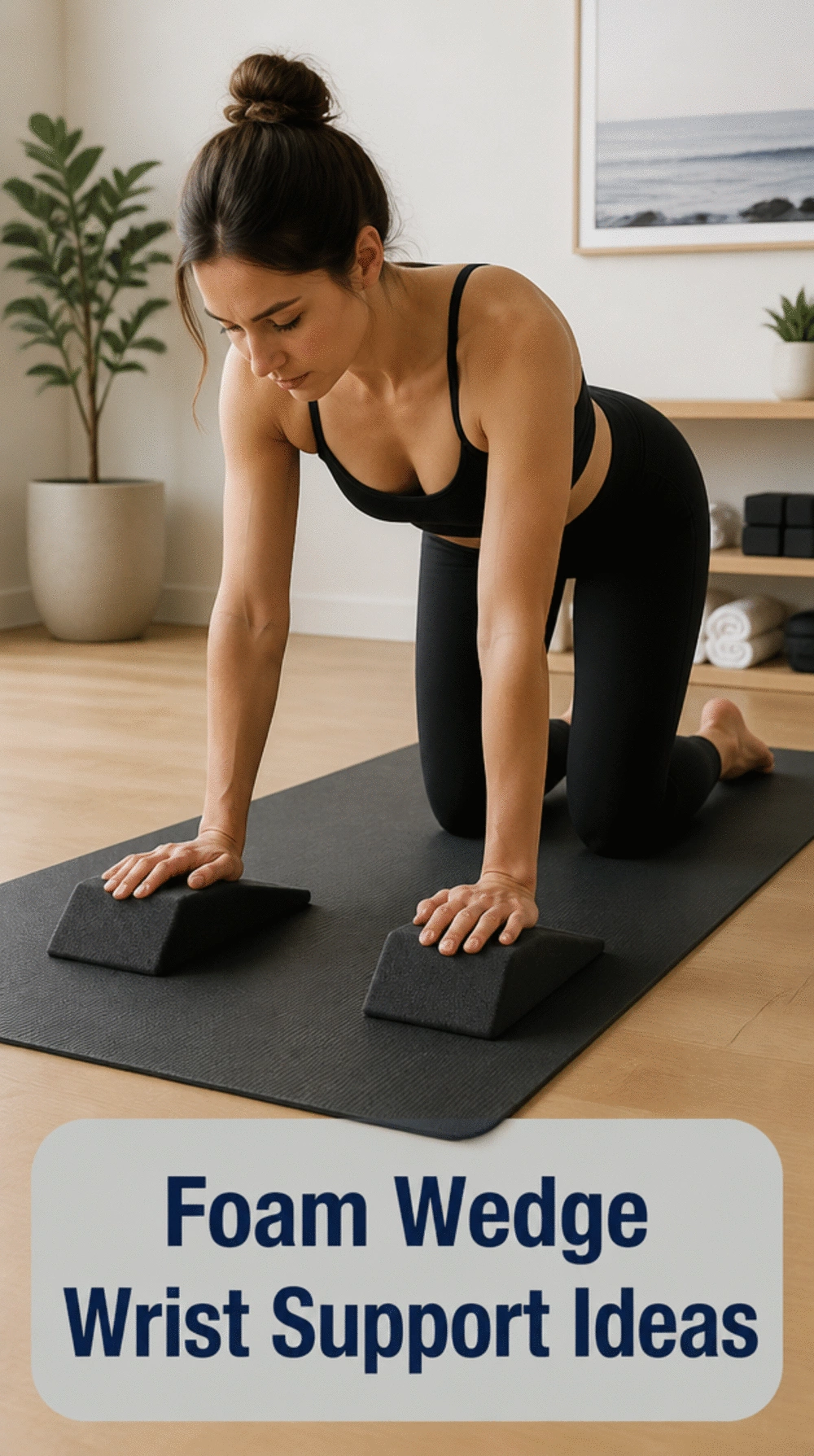
Enhance comfort and support during your home workouts.
Why Foam Wedge Blocks Matter for Wrist Health: Foam wedges are designed to alleviate strain on your wrists during floor exercises, offering crucial support and stability. By using these blocks, you can enjoy a more comfortable workout experience, whether you're stretching or doing push-ups, avoiding potential injuries.
A common mistake many make is skipping wrist support altogether, leading to discomfort and long-term issues. For instance, performing floor exercises without proper support can quickly lead to pain or strain, especially if you're working on push-ups or planks. Using foam wedges can be a game-changer, providing necessary elevation and support.
- ★Use foam wedges to elevate your wrists during push-ups to prevent strain.
- ★Incorporate the wedges in yoga poses like downward dog to enhance comfort.
- ★Always check the wedge size to ensure proper fit and comfort during exercises.
⚠️ A Common Slip-Up:
Many overlook wrist support, leading to unnecessary strain and discomfort. Always prioritize wrist comfort, especially during floor workouts where support is crucial for performance and health.
⭐ Our Picks for Wrist Support
XL Foam Yoga Wedge Blocks
Extra-large wedges provide essential wrist support during various exercises and stretches.
View on Amazon →Gaiam Yoga Block Wedge
This lightweight wedge assists in comfort and stability during various poses.
View on Amazon →Yoga Foam Wedge Blocks Pair
These foam wedges provide wrist support and enhance stability for exercises.
View on Amazon →📋 Quick Tips:
- Elevate wrists: Use foam wedges to support your wrists during push-ups and planks.
- Adjust the height: Experiment with wedge sizes for optimal comfort and stability in your exercises.
- Incorporate into yoga: Use wedges in downward dog and other poses for added wrist support and ease.
The One Yoga Block Trick That Makes Every Home Flexibility Session More Effective
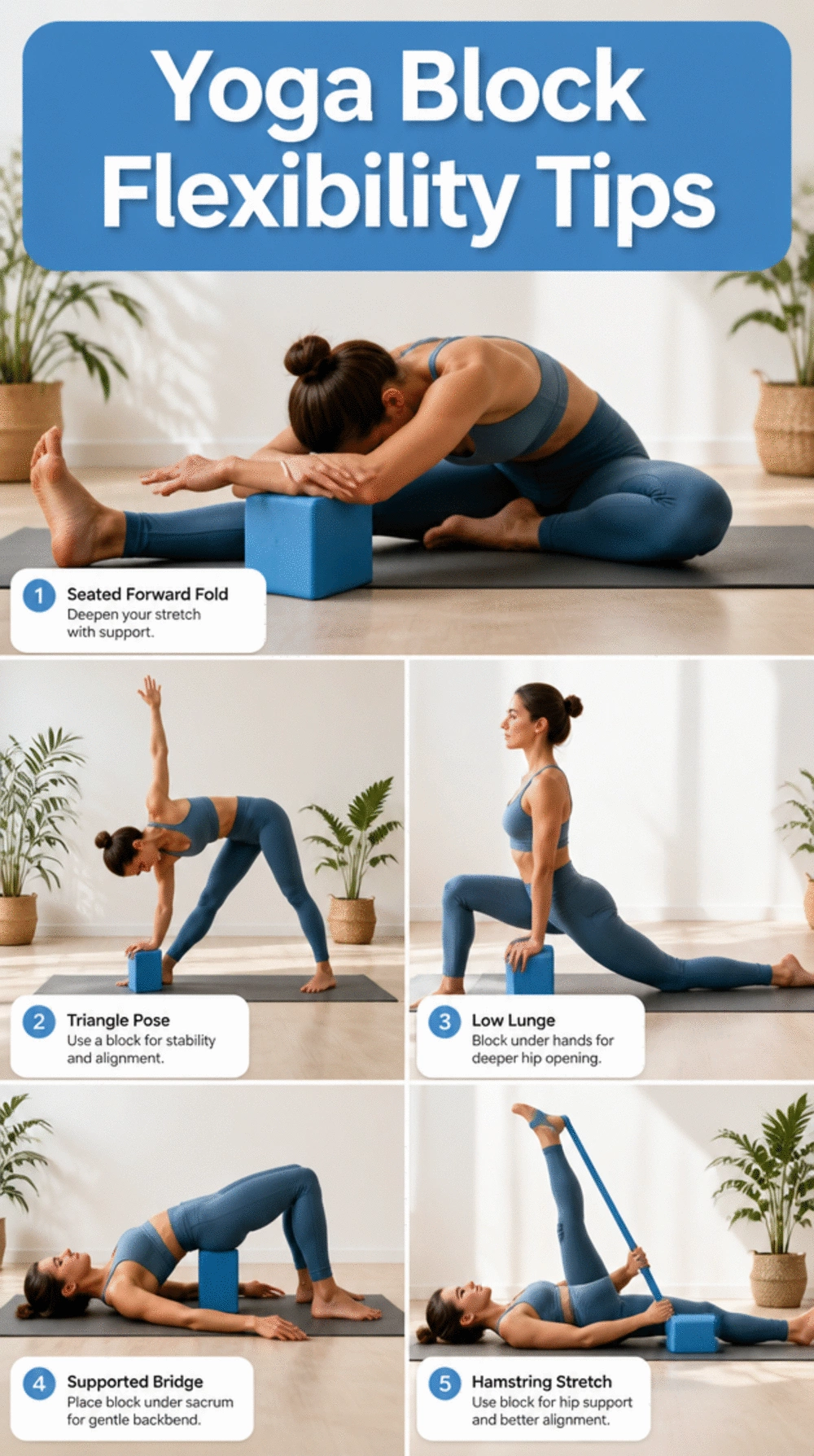
Unlock deeper stretches and improved alignment with this simple block trick.
How Yoga Blocks Can Enhance Flexibility Sessions: Using yoga blocks strategically can significantly improve your flexibility practice. By placing a block under your hands during stretches, you can achieve a deeper range of motion without straining your body. This not only enhances your depth in poses like Downward Dog but also aligns your spine better.
Where Most People Get Stuck: Many forget to adjust the height of the blocks according to their flexibility level. For instance, a beginner might need a higher block for support, while a more advanced practitioner can use a lower height for increased challenge. This adjustment helps in making every stretch more effective and safe.
- ★Place blocks under hands for better alignment in stretching poses.
- ★Use blocks to modify poses based on your flexibility level.
- ★Avoid using blocks that are too high; adjust as you progress.
⭐ Best Products for Improving Flexibility
Yoga Blocks 2 Pack for Stability
These lightweight foam blocks enhance your flexibility practice, providing stability while you stretch.
View on Amazon →Yoga Knee Pads for Comfort
These knee pads offer cushioning support for sensitive knees during floor exercises and stretches.
View on Amazon →High-Density EVA Foam Yoga Blocks
These durable foam blocks enhance stability, making yoga poses easier and safer to practice.
View on Amazon →🚀 Quick Tips:
- Adjust block height: Use higher blocks for deeper stretches if you're a beginner.
- Monitor your progress: Keep track of how much further you can go with each session.
- Explore different poses: Try using blocks in various stretches to discover new depths in flexibility.
You now have seven practical ways to enhance your home yoga and Pilates experience. Start with what feels manageable, whether that’s introducing a new mat or experimenting with a strap.
Your journey to a more fulfilling practice is supported by each thoughtful choice you make. Progress shows up in the small moments of ease you'll notice over time.