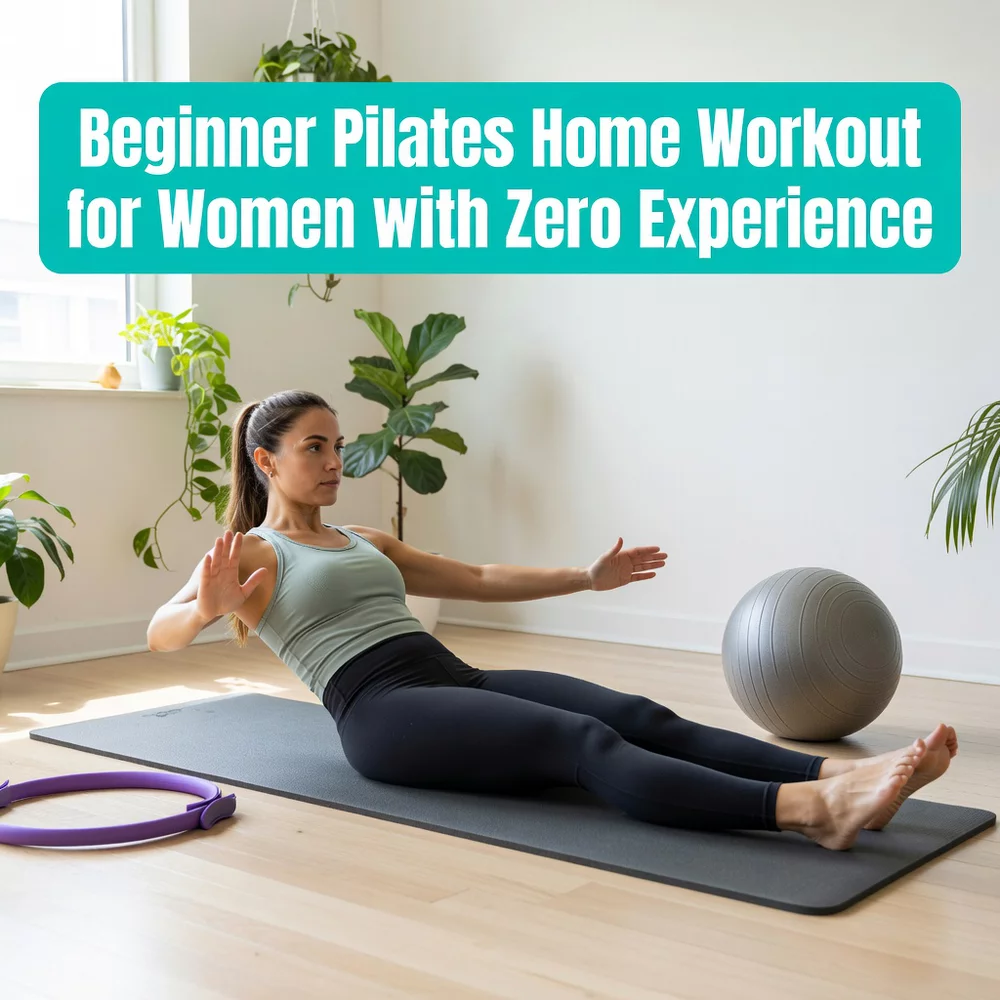

Starting your journey with Pilates at home can feel overwhelming, especially if you’re new to the practice. However, with just a few simple, foundational moves, you can build strength and confidence. Let’s dive into 7 accessible exercises that will set you on the path to mastering Pilates.
Beginner Pilates Home Workout Starting with Basic Pelvic Tilts on a Mat
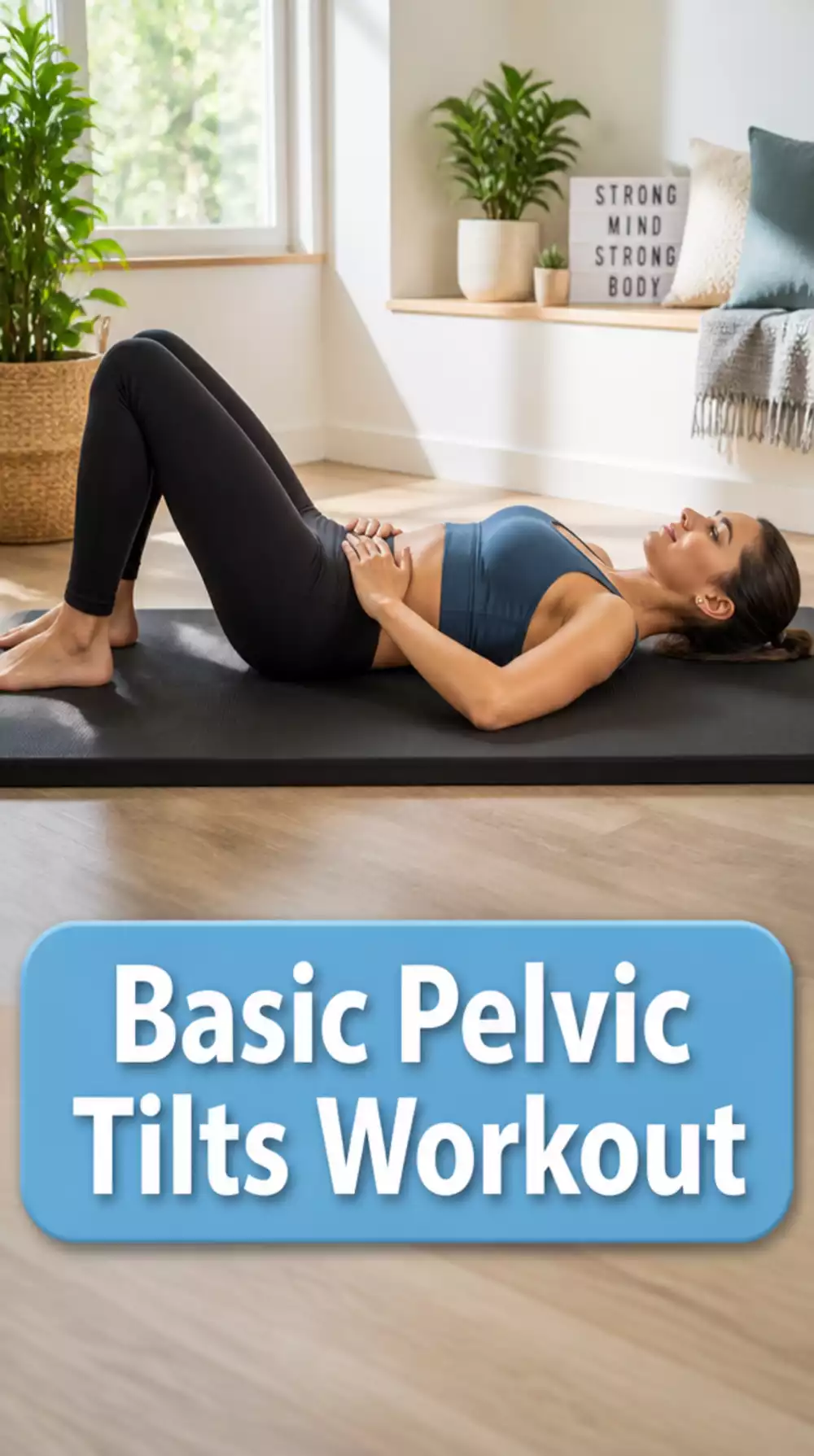
Kickstart your Pilates journey with foundational pelvic tilts!
As an Amazon Associate I earn from qualifying purchases. Affiliate links may earn me a commission at no extra cost to you.
The Benefits of Basic Pelvic Tilts: Pelvic tilts are a foundational movement in Pilates that promote spinal alignment and pelvic stability. They serve as a gentle warm-up to activate the core and prepare your body for more challenging exercises. By practicing pelvic tilts, you'll enhance your body awareness, making it easier to perform other moves with control.
Where Most People Get Stuck: Many beginners overlook the significance of engaging their core while performing pelvic tilts. This essential detail can make a huge difference in both comfort and effectiveness. For instance, during the tilt, failing to maintain a neutral spine can lead to discomfort or strain. Taking a moment to focus on alignment ensures you're benefiting fully from the exercise.
- ★Engage your core throughout the movement for maximum effectiveness.
- ★Use a thick non-slip Pilates mat for added comfort and stability.
- ★Keep your shoulders relaxed and away from your ears during the exercise.
⭐ Top Products for Pilates Mat Workouts
Thick Non Slip Pilates Mat
This thick non-slip mat offers excellent grip and comfort for pelvic tilt exercises.
View on Amazon →Eco Friendly Fitness Exercise Mat
The upgraded anti-skid design makes it perfect for various forms of Pilates and yoga workouts.
View on Amazon →Extra Large Non-Slip Exercise Mat
Its large size offers plenty of room for various workouts, perfect for beginners.
View on Amazon →💡 Your Quick Start Guide:
- Engage your core: Focus on tightening your abdominal muscles during each pelvic tilt.
- Maintain neutral spine: Keep your back flat against the mat to avoid strain and maximize benefits.
- Practice slowly: Aim for controlled movements to improve your coordination and awareness.
Pilates Home Workout Single Leg Stretch Beginner Move for Core Control
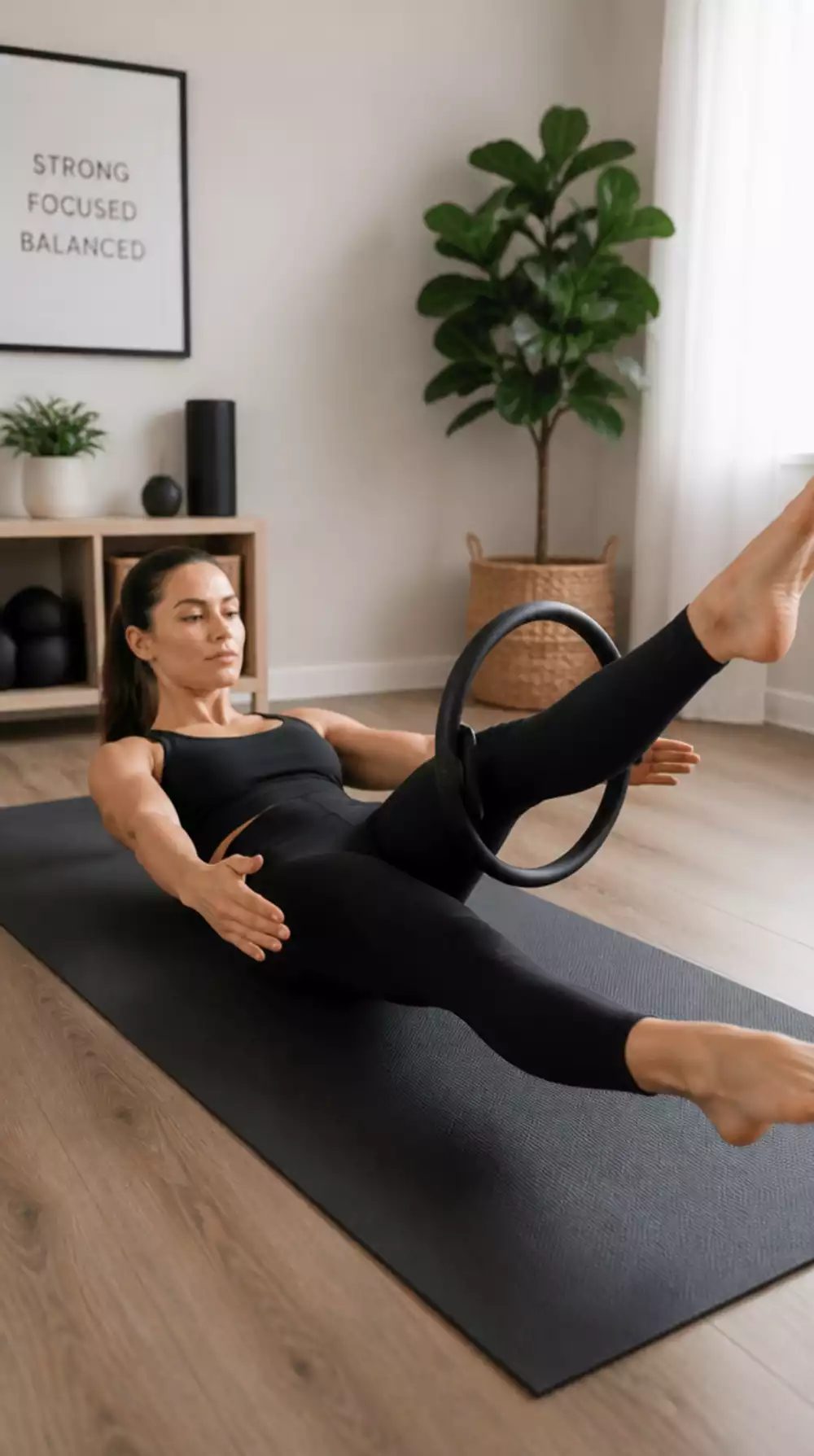
Strengthen your core with this essential single leg stretch move.
Why the Single Leg Stretch is Crucial: This exercise is key for enhancing your core stability while improving coordination and balance. By engaging your abdominal muscles effectively, the single leg stretch not only helps prevent lower back pain but also prepares you for more challenging Pilates moves.
Where Most People Get Stuck revolves around maintaining proper form. Many beginners let their lower back arch during the stretch, which could lead to discomfort or injury. Instead, focus on keeping your back flat as you engage your core, making it a habit to check in with your form.
- ★Engage your core throughout the movement to maintain stability.
- ★Consider using the Pilates Ring and Ball Set for enhanced core engagement.
- ★Focus on controlled movements to maximize effectiveness and prevent mistakes.
⭐ Top Products for Core Control Workouts
Pilates Ring and Ball Set
This set is great for enhancing core engagement during workouts, making it essential for beginners.
View on Amazon →Upgraded Pilates Reformer Machine
This machine offers a multi-functional workout experience for total body Pilates routines.
View on Amazon →Hip Thrust Machine for Glutes
This machine effectively targets glutes while also enhancing your core stability during workouts.
View on Amazon →🚀 Quick Tips:
- Engage Your Core: Keep your abdominal muscles tight to stabilize your lower back.
- Focus on Form: Maintain a flat back to avoid unnecessary strain during the stretch.
- Control Your Movement: Avoid rushing; slow and steady will enhance effectiveness and results.
Home Pilates Spine Stretch Beginner Move That Loosens the Lower Back
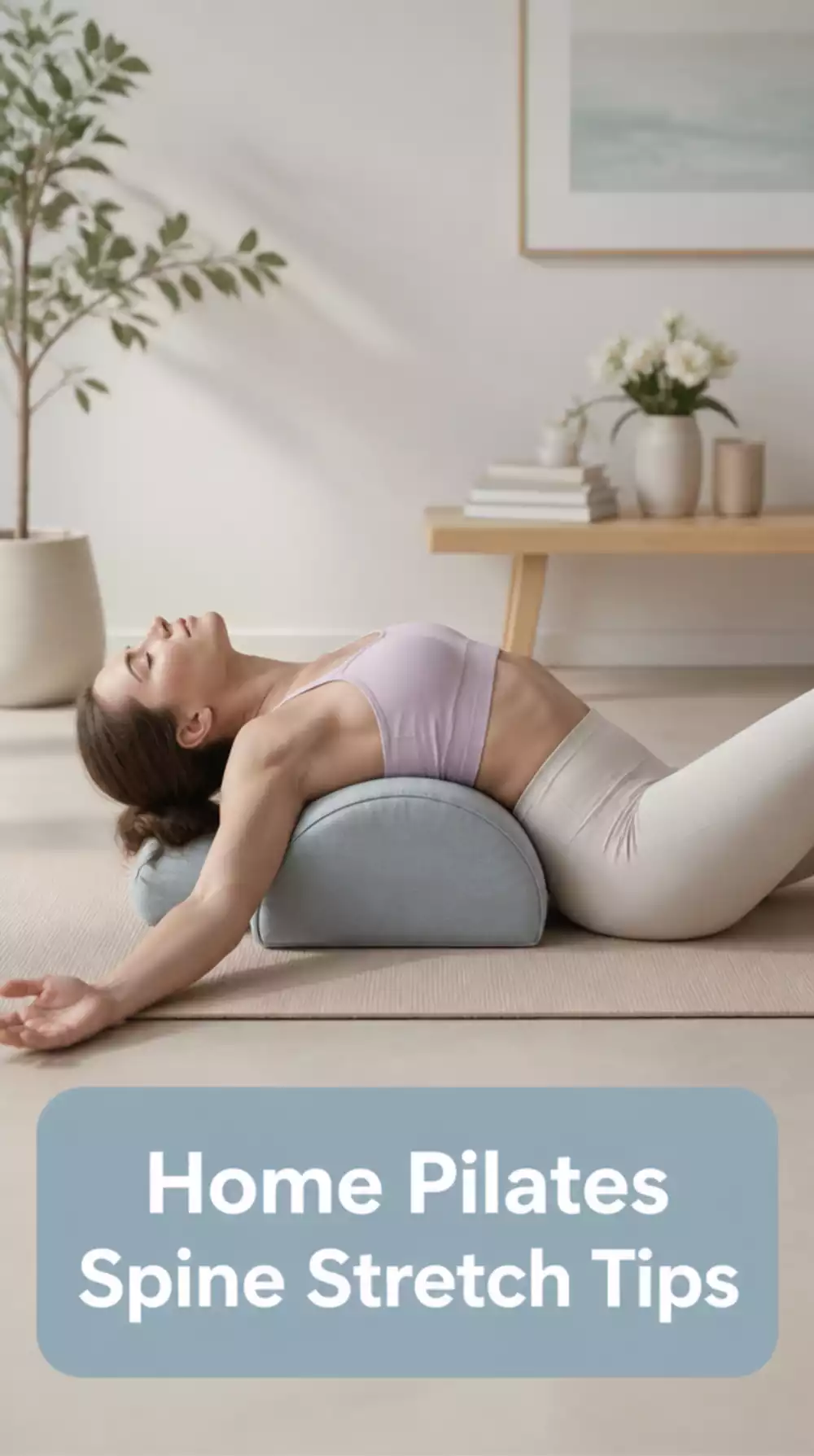
Stretch away tension and embrace a more flexible spine.
How the Spine Stretch Improves Your Flexibility: The spine stretch is a fundamental Pilates move that effectively loosens the lower back, promoting improved posture and flexibility. By focusing on controlled movements and deep breathing, you can enhance your spinal alignment and relieve tension, making it a great addition to your routine.
Where Most People Get Stuck: Many beginners underestimate the power of their breath during this stretch. For instance, taking shorter breaths might limit the depth of your stretch. Instead, focus on long, deep inhales and exhales to maximize the elongation of your spine, allowing for a more effective release of tension.
- ★Engage your core to maintain stability while stretching.
- ★Consider using a bolster pillow for added lumbar support.
- ★Practice this stretch daily for the best results.
⭐ Recommended for Lower Back Relief
Home Gym Storage Rack
A great solution to keep workout equipment organized, maximizing your space for spine stretches.
View on Amazon →5-Tier Yoga Mat Holder
This space-saving holder reduces clutter, making stretching routines easier to access.
View on Amazon →Large Half Moon Bolster Pillow
This memory foam pillow ensures exceptional lumbar support during spine stretches, enhancing comfort.
View on Amazon →🚀 Quick Tips:
- Focus on your breath: Deep inhales and exhales enhance elongation for a better stretch.
- Maintain proper alignment: Ensure your spine is straight to get the most out of each stretch.
- Incorporate props: Use a bolster pillow for extra support and comfort during your spine stretches.
Beginner Pilates Home Workout Glute Bridge Variation for Pelvic Stability
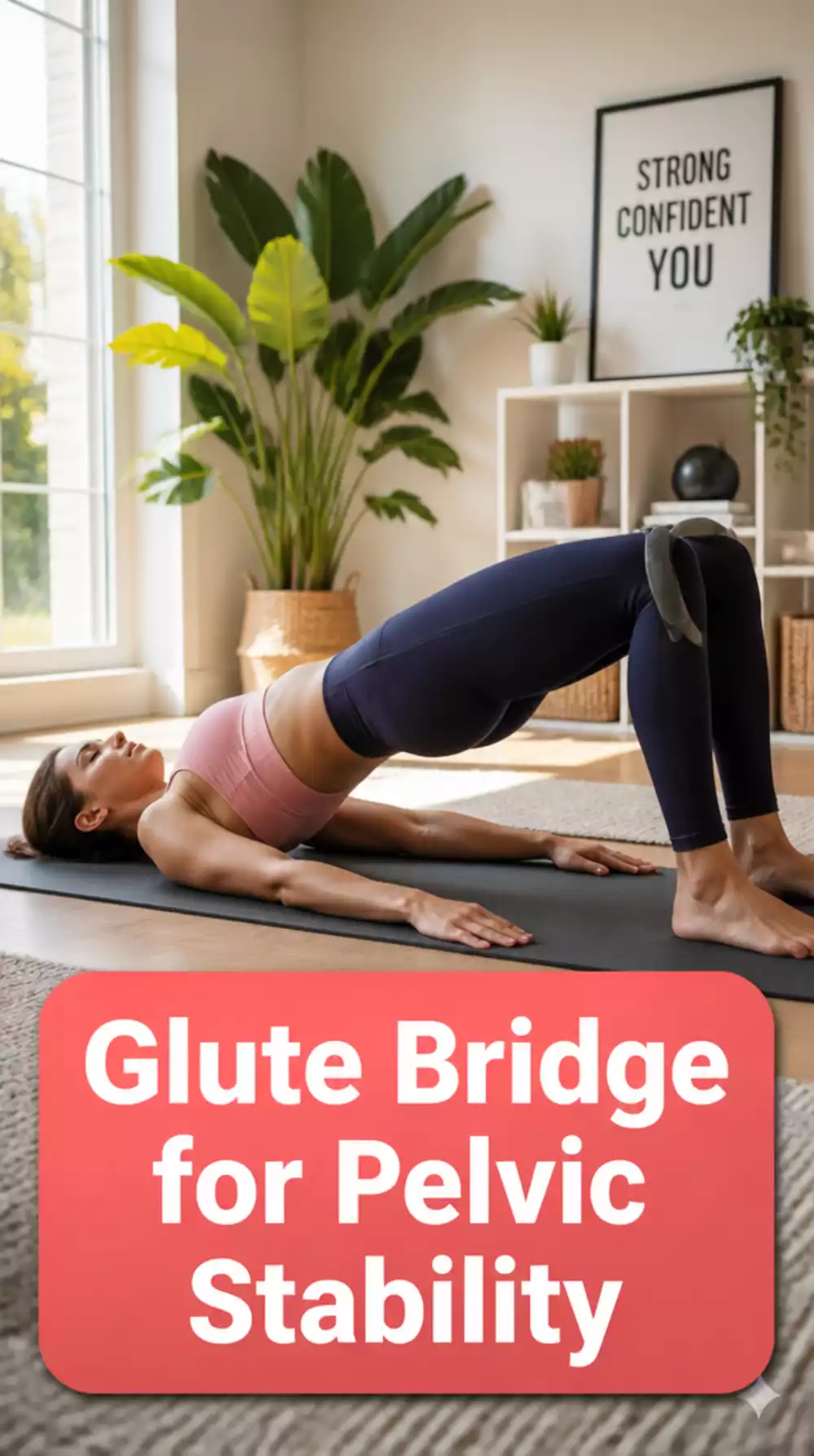
Strengthen your pelvic stability with this essential glute bridge exercise!
Understanding the Glute Bridge Variation for Pelvic Stability: The glute bridge is a foundational exercise that promotes pelvic stability while effectively targeting the glutes and core. By lifting your hips off the mat, you engage multiple muscle groups, enhancing overall strength and control. This exercise can also serve as a precursor to more advanced movements as your confidence builds.
What people often overlook is the importance of core activation during the glute bridge. Many beginners focus solely on lifting their hips, forgetting to engage their abdominal muscles, which can lead to poor form and reduced effectiveness. Ensuring you activate your core before and during the lift will enhance your results significantly.
- ★Start with your feet hip-width apart and press through your heels for stability.
- ★Using a Pilates ring around your thighs can enhance glute activation.
- ★Keep your shoulders relaxed and avoid arching your back during the lift.
⭐ Best Products for Glute Stability Workouts
Pilates Ring and Ball Set
Activate your glutes effectively with this set, enhancing your glute bridge and pelvic stability.
View on Amazon →Complete Pilates Workout Set
This set is designed for full-body strength training, enhancing your glute bridge effectiveness.
View on Amazon →Pilates Ring and Ball Set
This variation of the set targets core strength and complements your glute bridge workouts.
View on Amazon →💡 Quick Tips:
- Activate your core: Engage your abdominal muscles before lifting to maintain proper form.
- Position your feet: Keep your feet hip-width apart to stabilize your base during the lift.
- Use resistance bands: Adding bands can enhance glute activation and make your bridges more effective.
Making it this far shows your commitment, even when the routine feels new. Every mindful movement you practice builds a stronger foundation for your Pilates journey. Approaching each exercise with patience and presence creates lasting progress rather than rushing to perfection.
💡 Keep This in Mind:
- Focus on proper alignment to maximize the benefits and safety of each move, like in beginner-friendly fitness routines.
- Move slowly and with control to connect deeply with your body and avoid strain.
- Breathing is your ally; coordinating breath with movement enhances every Pilates exercise.
- Using the right equipment can support your comfort and help maintain form through your practice.
Home Pilates Clam Beginner Exercise That Activates the Side Glutes
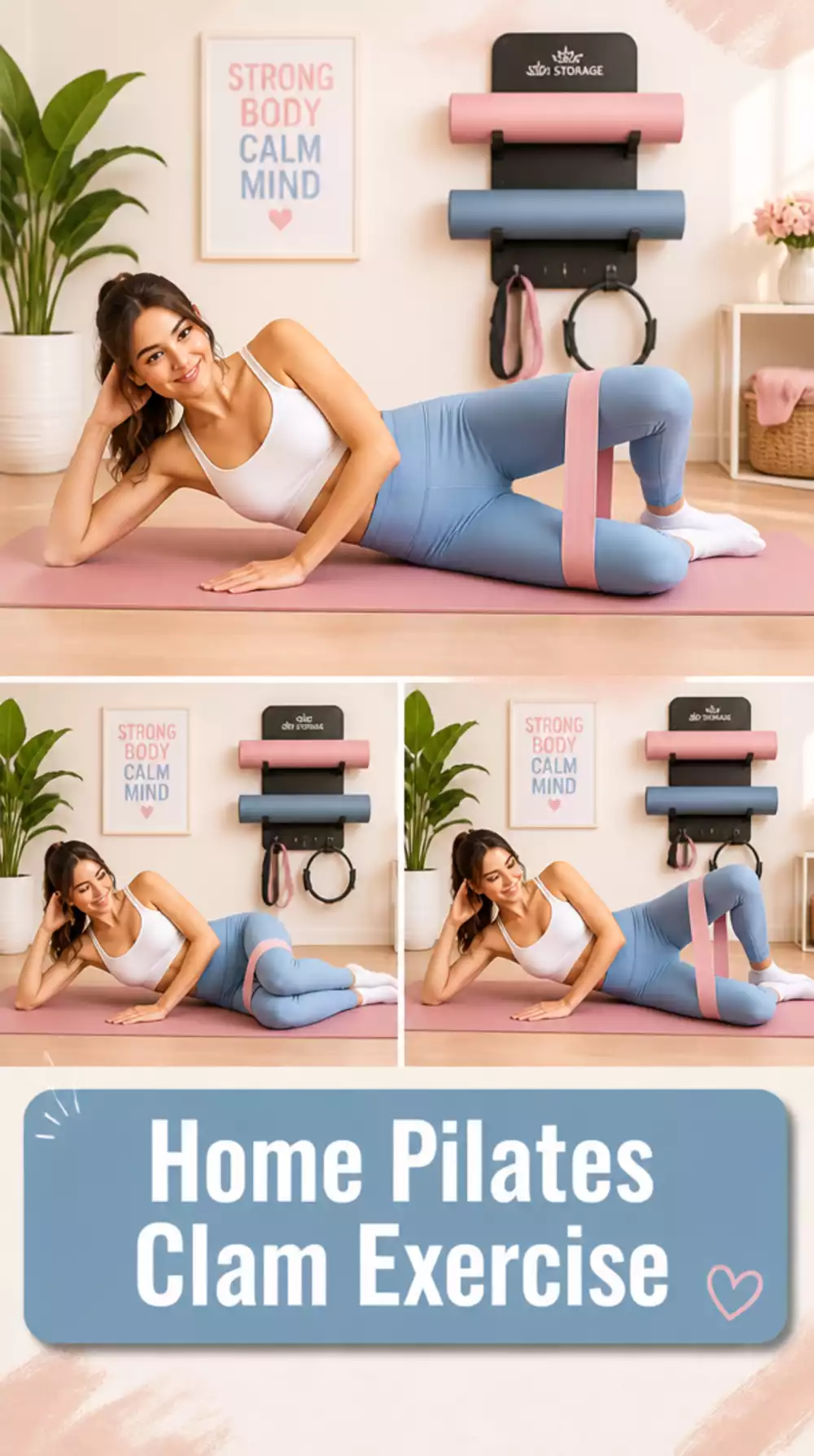
Sculpt your side glutes while enhancing hip stability.
The Benefits of the Clam Exercise: The clam exercise is essential for targeting the side glutes, improving hip stability and lower body strength. This movement helps in activating the gluteus medius, which is crucial for maintaining balance and posture during daily activities.
What People Rarely Consider is that maintaining a stable pelvis during the clam exercise is key to maximizing its benefits. Beginners often overlook this detail, allowing their lower back to compensate, which can lead to discomfort. Focusing on proper alignment will enhance effectiveness and safety.
- ★Perform the clam exercise with your feet together and knees bent to engage the right muscles.
- ★Using a resistance band around your thighs can enhance the workout's effectiveness.
- ★Avoid arching your back; keep your core engaged for better stability.
⭐ Top Products for Side Glute Activation
Heavy Duty Yoga Mat Holder
Use this heavy-duty holder to keep your equipment organized, enhancing your clam exercise experience.
View on Amazon →Exercise Ball Holder
This holder keeps your exercise balls organized, making them accessible for clam exercises.
View on Amazon →Complete Pilates Kit for Home
This kit includes essential tools for effective side glute workouts, ideal for beginners.
View on Amazon →💡 Quick Tips:
- Engage your core: Keep your abdominal muscles tight throughout the movement for stability.
- Control the movement: Lift your knee slowly and lower it back down to maximize muscle engagement.
- Use a mirror: Check your form to ensure your pelvis stays stable during each repetition.
Beginner Pilates Home Workout Plank Hold That Teaches Core Engagement
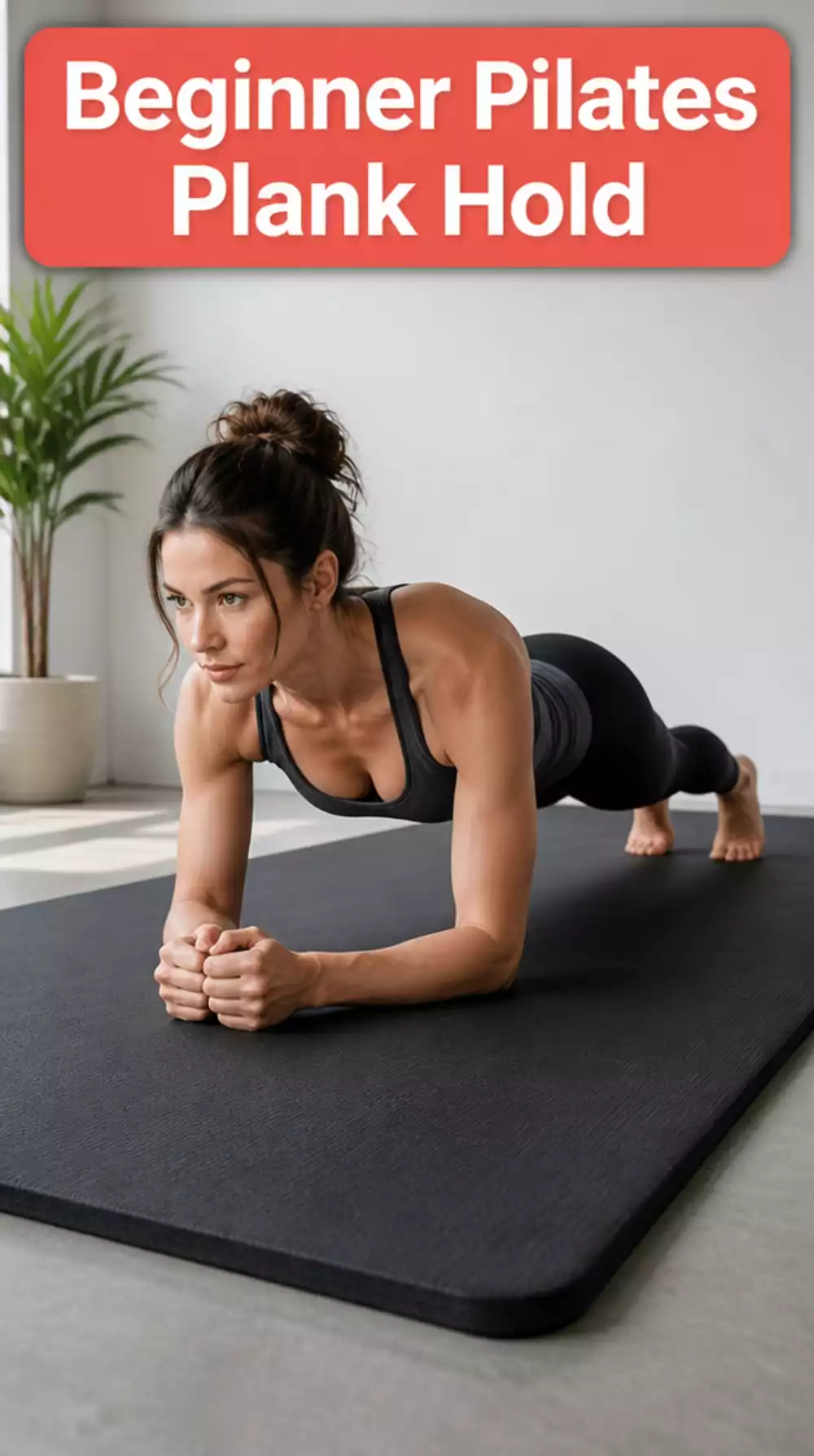
Unlock your core strength with this essential plank hold.
The Importance of the Plank Hold in Core Engagement: The plank hold is a foundational Pilates exercise that builds core strength and stability. It engages multiple muscle groups, enhancing overall fitness and improving posture. Developing this skill also aids in daily activities, making it a vital part of any beginner's routine.
Where Most People Get Stuck: Many beginners struggle with maintaining proper alignment during the plank, often allowing their hips to sag or rise too high. This can lead to ineffective engagement and potential injury. To improve your form, focus on keeping a straight line from head to heels, actively engaging your abdominal muscles.
- ★Engage your core fully by pulling your belly button towards your spine.
- ★Ensure your shoulders are directly above your wrists for proper alignment.
- ★Avoid holding your breath; practice steady breathing throughout the hold.
🤔 Common Challenge:
Many beginners might not realize how vital breathing is during a plank. Not only does it stabilize your core, but it also helps you maintain the hold longer, enhancing overall effectiveness.
🚫 Mistake to Avoid:
Avoid letting your hips sag or rise excessively. This misalignment can decrease the effectiveness of the plank and lead to strain on your back. Aim for a straight line from head to heels.
⭐ Top Products for Core Engagement Workouts
Adjustable Weight Bench for Home
This adjustable weight bench allows for versatile core exercises beyond the plank.
View on Amazon →Ab Roller Wheel with Resistance
Use this roller wheel to enhance core strength and support plank holds effectively.
View on Amazon →Extra Large Exercise Mat
This extra large mat is perfect for practicing planks with ample space and support.
View on Amazon →📋 Quick Tips:
- Engage Your Core: Pull your belly button towards your spine for maximum stability.
- Maintain Alignment: Keep your shoulders directly above your wrists throughout the hold.
- Focus on Breathing: Inhale deeply and exhale steadily to enhance core control during the plank.
The One Beginner Pilates Move That Makes Every Core Workout Click
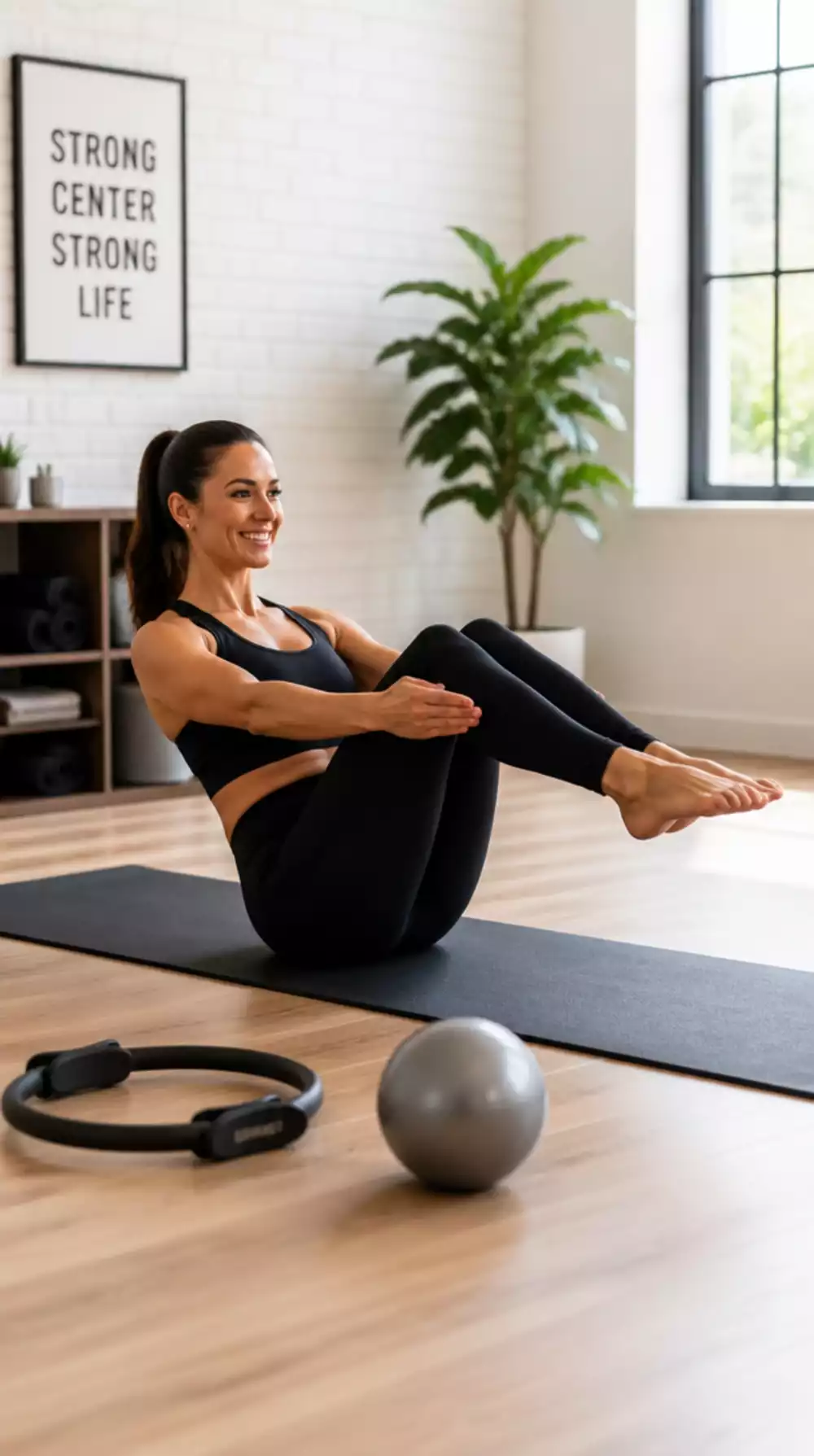
Master this core move for improved strength and control in every workout.
Why the Foundational Core Move Matters: The foundational core move is essential as it enhances your overall core engagement, making every Pilates exercise you do more effective. By focusing on this key move, you’ll notice an increase in your control and strength across all workouts.
Where most people get stuck is in failing to recognize how vital form and technique are in this move. Beginners often rush through it without fully activating their core, which hinders progress and can lead to frustration. Taking the time to perfect this foundational move is crucial for unlocking your full Pilates potential.
- ★Focus on engaging your core fully during this foundational move.
- ★Incorporate the Pilates Ring and Ball Set for added resistance and engagement.
- ★Avoid rushing through the motion; controlled movements are key.
⭐ Best Products for Core Conditioning
Pilates Ring and Ball Set
This set enhances core engagement during workouts, making it essential for your practice.
View on Amazon →Yoga Knee Pad Cushion
This cushion provides extra support for your knees during core workouts, enhancing comfort.
View on Amazon →Pilates Ring and Ball Set
This set is perfect for versatility in various core exercises, enhancing your workout routine.
View on Amazon →🚀 Quick Tips:
- Engage Your Core: Activate your core muscles fully for optimal support and strength.
- Focus on Form: Pay attention to your alignment to prevent strain and maximize effectiveness.
- Incorporate Regularly: Add this foundational move to every workout for consistent core development.
You now have seven practical ways to begin your Pilates journey, each designed to enhance your strength and flexibility. Start with what feels manageable and allow your confidence to grow with each new movement you embrace.
Your body will thank you as you cultivate a sense of comfort and strength with these foundational exercises. Remember, every step you take is an investment in your well-being and self-care.