
Understanding cravings is a crucial part of any fitness journey. Recognizing the triggers behind these urges can empower you to make better choices and stay on track. With the right strategies, you can manage cravings effectively and build a healthier relationship with food.
As an Amazon Associate I earn from qualifying purchases. Affiliate links may earn me a commission at no extra cost to you.
What You Will Learn
- Cravings often arise from biological needs, emotional states, or environmental cues, and understanding these can help you manage them.
- High stress levels and boredom can trigger cravings, making mindfulness essential in recognizing when to reach for snacks.
- Hydration plays a significant role in controlling cravings—drinking enough water can help reduce feelings of hunger.
- Planning your meals can help anticipate cravings and prevent impulsive food choices, promoting a healthier diet.
Understanding Cravings in Your Fitness Journey
As we embark on our fitness journeys, it's essential to understand how cravings can impact our progress. Cravings are not just random urges; they often arise from a mix of physical and emotional factors. Recognizing what causes these cravings is the first step in managing them effectively and staying on track with our fitness goals.
Many of us encounter cravings at different stages of our fitness journey. Whether it's a late-night snack craving or the desire for something sweet after a workout, being aware of the triggers can make all the difference. So, let's dive into the fascinating world of cravings and discover why they occur!
What Are Cravings and Why Do They Occur?
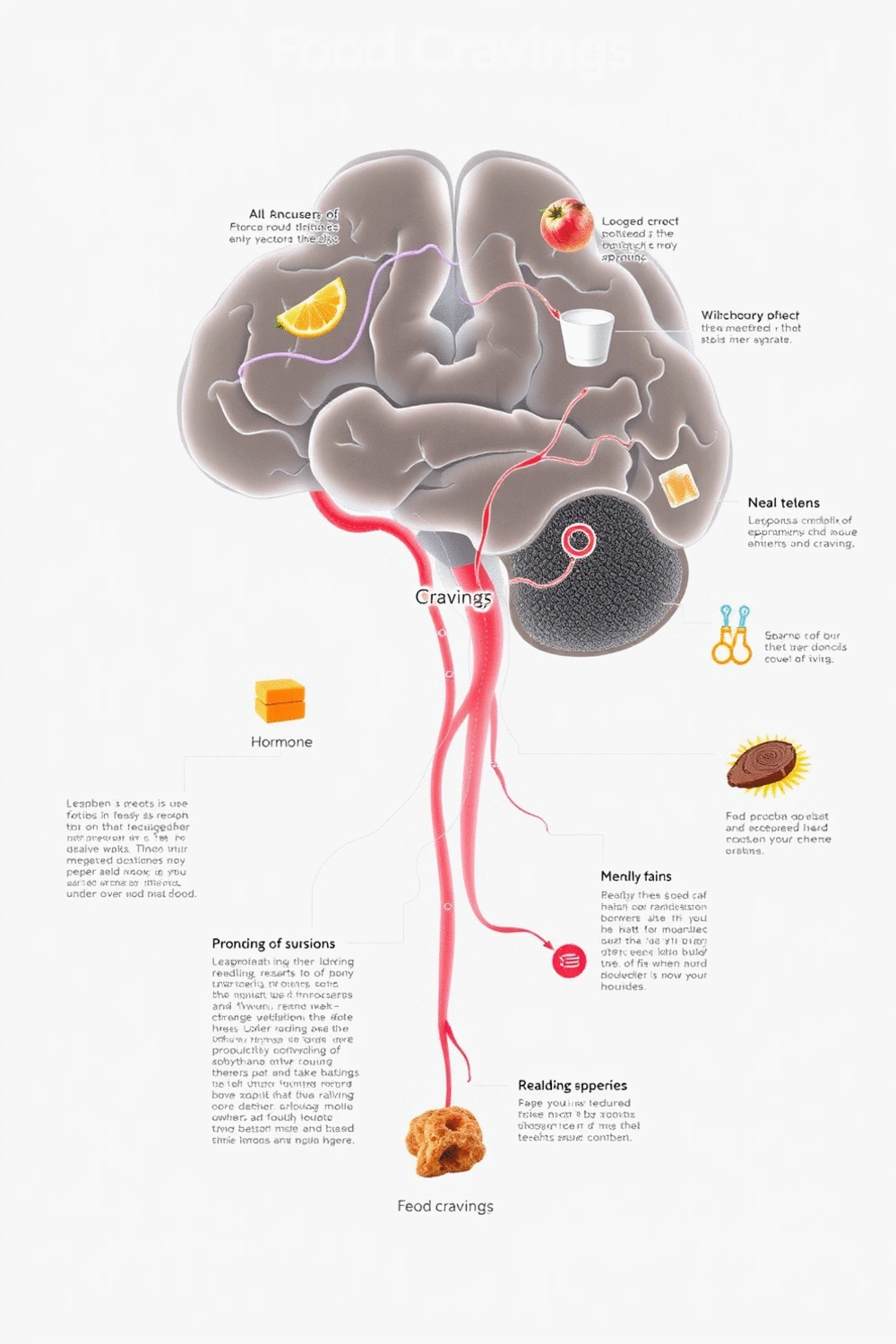
Cravings are intense desires for specific foods, often driven by our body's need for certain nutrients or simply by emotional triggers. While it's perfectly natural to experience cravings, understanding the underlying reasons can help us approach them more mindfully. Hormonal changes, stress, and even habits can contribute to these urges.
- Biological Needs: Sometimes our body signals a need for specific nutrients, such as sugar or salt.
- Emotional Responses: Cravings can also stem from emotional states, leading us to seek comfort foods during stressful times.
- Environmental Cues: Seeing or smelling certain foods can trigger cravings, even if we aren’t physically hungry.
By learning to identify the different types of cravings, we can better manage them. For more insights into nutrition that can support our cravings, check out our post on creating a balanced diet for fitness success.
The Psychological Triggers Behind Cravings
Cravings are often more than just physical hunger; they can be deeply tied to our emotions and state of mind. When we face stress or emotional challenges, we might find ourselves reaching for snacks as a coping mechanism. Understanding these psychological triggers can empower us to make healthier choices instead of succumbing to cravings.
- Stress: High stress levels can lead to increased cravings, particularly for sugary or fatty foods.
- Boredom: Sometimes we snack simply because we are bored, seeking a distraction rather than actual nourishment.
- Habits: Regularly eating certain foods in specific situations can create a strong association between the two.

Being aware of these triggers is crucial for managing cravings. If you’re interested in how hydration plays a role in controlling cravings, I recommend reading about the importance of hydration in women's fitness. For further guidance on setting up a fitness routine, consider exploring a beginner's guide to setting up a home gym.
Common Craving Triggers: Stress, Emotions, and External Cues
We've all had those moments when we reach for a snack after a long day or indulge in comfort food during emotional times. Understanding these common triggers can help us find effective strategies to manage our cravings. For instance, identifying stress as a trigger allows us to develop healthier coping mechanisms.
- Stress-Related Cravings: Often lead to unhealthy eating patterns, as we might gravitate toward high-calorie, comforting foods.
- Emotional Eating: Can be a response to feelings of sadness, loneliness, or even joy.
- Social Situations: Being around others can influence our cravings, making us more likely to indulge in snacks.
Recognizing these triggers is a vital step towards changing our habits for the better. This understanding can support our fitness journey and help us build a healthier relationship with food. If you're looking for more specific advice on managing cravings, check out our post on healthy snacks to boost energy!
Frequently Asked Questions on Managing Cravings
What are the best snacks to curb cravings?
Some great snacks include fruits, nuts, yogurt, or whole-grain crackers. These options are nutrient-dense and will keep you satisfied longer!
How can I differentiate between hunger and cravings?
Hunger is a physical need for food, while cravings often stem from emotional triggers. Pay attention to when and why you want to eat!
What role does portion control play in managing cravings?
Portion control helps prevent overeating and allows you to enjoy your favorite foods in moderation. This balance is key to maintaining a healthy relationship with food.
How can I reduce stress-related cravings?
Practicing mindfulness, engaging in stress-reducing activities like yoga or meditation, and ensuring adequate sleep can significantly help manage stress-related cravings. For more on mindfulness, you might find resources on meditation cushions helpful.
Is it normal to have cravings even when following a healthy diet?
Yes, it's completely normal to experience cravings even with a healthy diet. Cravings can be influenced by many factors, including hormones, emotions, and external cues, not just nutritional deficiencies. The key is to understand and manage them effectively rather than eliminating them entirely.
Summarizing Your Craving Management Journey
As we wrap up our discussion on managing cravings, it’s essential to reflect on the journey we’ve embarked on together. Understanding cravings is a significant step in your fitness journey, and implementing practical strategies can make all the difference. Remember, it’s not just about overcoming cravings; it’s about developing a healthier relationship with food and your body!
Here are some key takeaways to help you control your cravings effectively:
- Stay hydrated—adequate water intake can reduce feelings of hunger.
- Focus on balanced meals that include proteins, healthy fats, and carbohydrates to keep you satisfied.
- Practice mindfulness to identify emotional triggers and manage cravings more effectively.
- Plan your meals to anticipate cravings and avoid impulsive choices.
Key Takeaways for Controlling Cravings
To make your cravings manageable, I encourage you to keep experimenting with different strategies. Some days will be easier than others, and that’s okay! A fantastic resource to consider is How to Create a Balanced Diet for Fitness Success. This post offers insightful tips on crafting meals that can help curb those pesky cravings.

Ultimately, it’s all about finding what works best for you. Are there specific strategies you’ve tried that have been successful? Don’t hesitate to share your experiences with our community! We’re here to support each other every step of the way.
Encouragement for Sustaining Your Fitness Goals
Each step you take in managing cravings is a step toward achieving your fitness goals. Remember, it’s not about perfection but progress! Celebrate your victories, no matter how small they may seem. Seeking out vibrant health through nutrition can be transformative, especially for women over 40 who are navigating unique challenges in their fitness journeys.
Also, consider keeping a food diary as you continue this journey. Tracking your cravings and meals can provide valuable insights into your eating habits. If you want to learn more about this, check out our post on A Beginner's Guide to Meal Planning for Fitness. It’s an excellent tool for preparing your meals ahead of time and staying on track with your goals!
Recap of Key Points
Here is a quick recap of the important points discussed in the article:
- Understand Cravings: Recognize that cravings are driven by a mix of physical needs and emotional triggers.
- Identify Triggers: Be aware of environmental cues, stress, and emotional states that can lead to cravings.
- Stay Hydrated: Drinking enough water can help reduce feelings of hunger.
- Balanced Meals: Focus on meals that include proteins, healthy fats, and carbohydrates for sustained satisfaction.
- Practice Mindfulness: Recognize emotional triggers and practice mindfulness to manage cravings effectively.
- Meal Planning: Anticipate cravings by planning meals ahead to avoid impulsive choices.