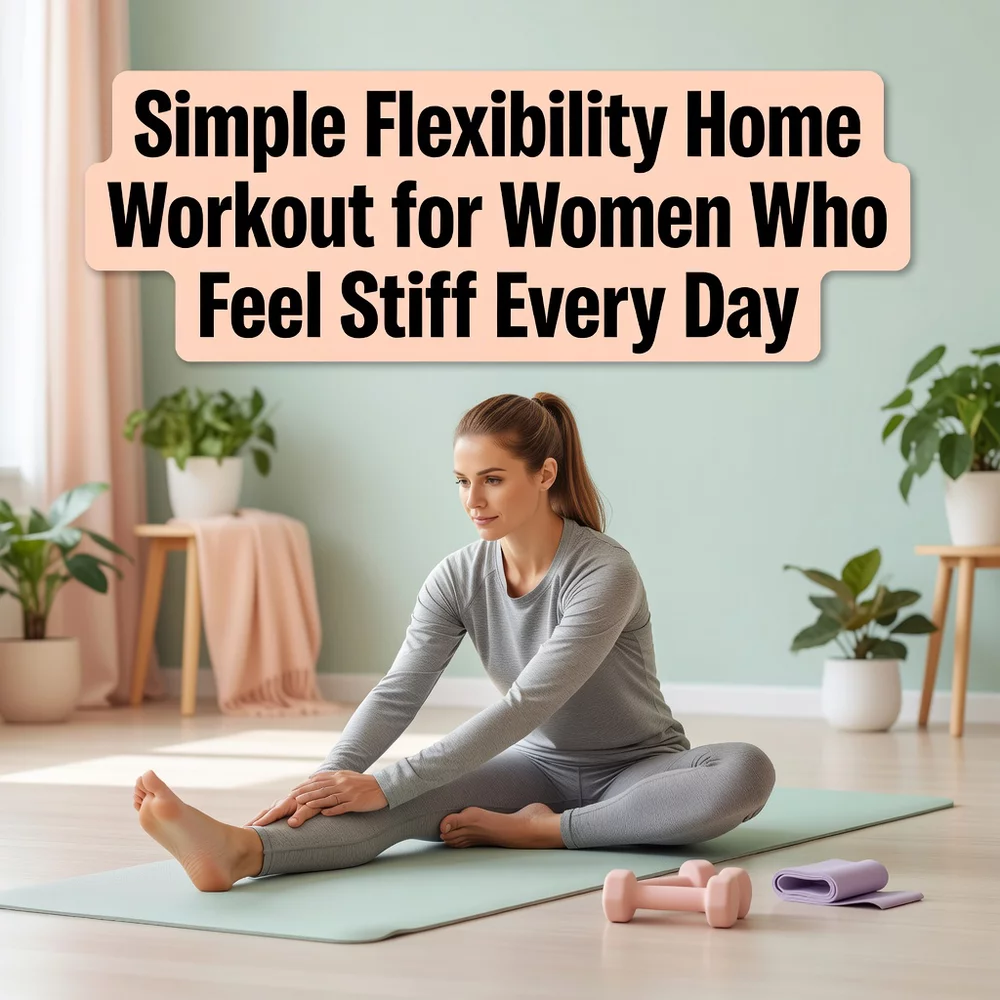

Feeling stiff every day is a common challenge that many women face, impacting daily activities and overall comfort. Fortunately, a simple flexibility routine can provide the relief you need, offering accessible techniques to ease tension and enhance mobility. Let’s dive into a gentle hip flexor stretch that can help you get started.
Home Flexibility Workout Hip Flexor Stretch That Releases Daily Tension
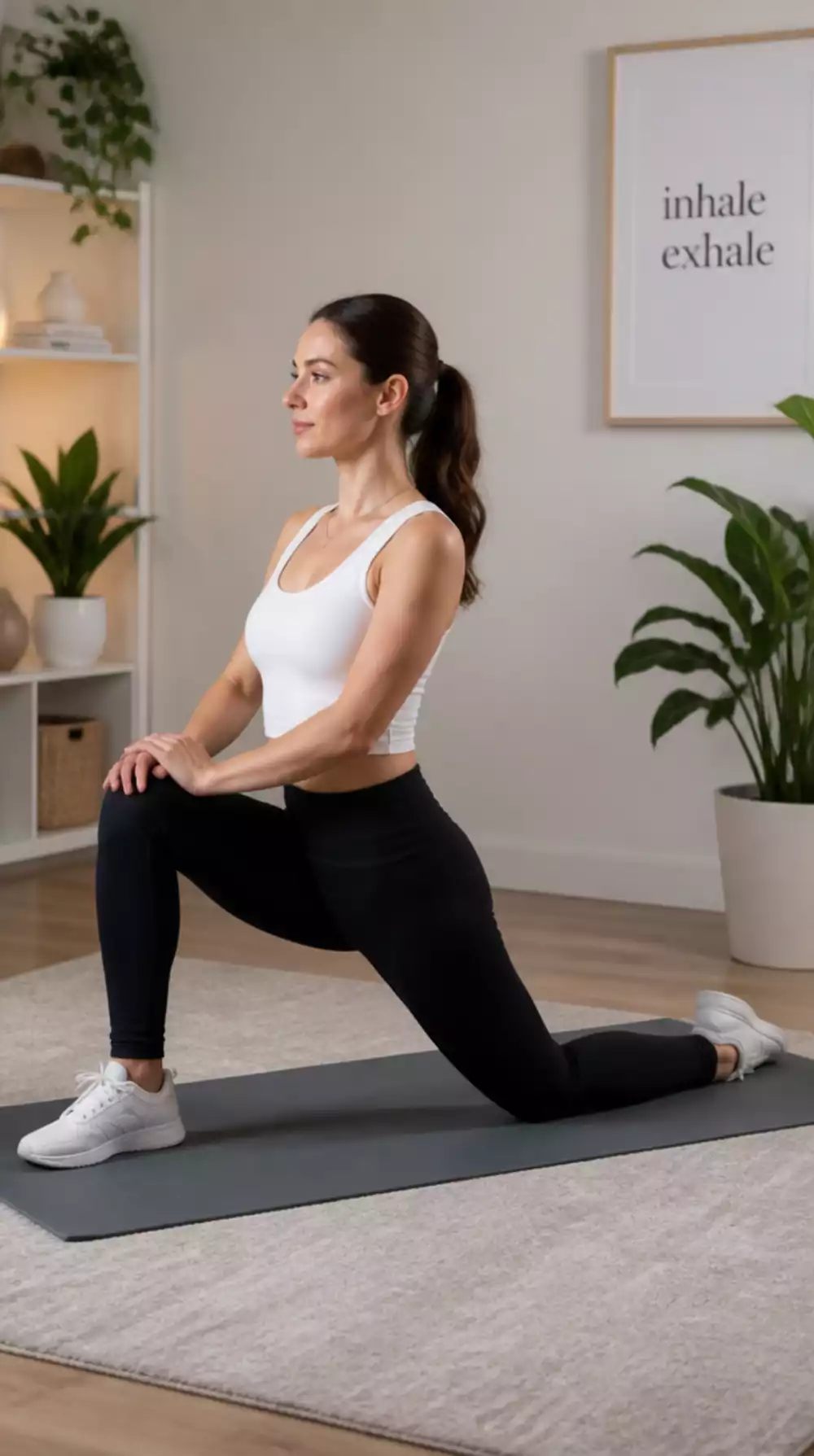
Unlock tight hips and daily tension with simple stretches.
As an Amazon Associate I earn from qualifying purchases. Affiliate links may earn me a commission at no extra cost to you.
The Benefits of Hip Flexor Stretches: A hip flexor stretch is a gentle way to relieve tightness and discomfort from prolonged sitting. When tight, these muscles can lead to lower back pain and limit mobility. Incorporating these stretches regularly can significantly enhance your overall flexibility and comfort.
What Often Gets Overlooked is that many women underestimate the impact of tight hip flexors on their overall well-being. After hours of sitting, simply standing up and stretching isn’t enough. It’s crucial to dedicate time to these stretches, allowing your body to reset and relieve tension effectively.
- ★Hold each hip flexor stretch for at least 30 seconds for maximum benefit.
- ★Consider using resistance bands to enhance your hip flexor stretching routine.
- ★Focus on your breathing; it’s key to relaxing the muscles as you stretch.
⭐ Top Products for Hip Flexor Stretching
Resistance Bands for Stretching
These resistance bands enhance hip flexor stretches, aiding in releasing daily tension effectively.
View on Amazon →Massage Ball for Deep Tissue Relief
This massage ball offers relief and faster recovery, complementing your stretching routine.
View on Amazon →Ankle Resistance Bands for Workout
These ankle bands enhance leg training, supporting flexibility and strength simultaneously.
View on Amazon →📋 Quick Tips:
- Start Slow: Begin with gentle movements to warm up your hip flexors.
- Stay Aligned: Keep your hips squared during the stretch to avoid strain.
- Utilize a Wall: Use a wall or chair for balance if you're new to these stretches.
Foam Roller Home Flexibility Routine That Loosens Tight Leg Muscles
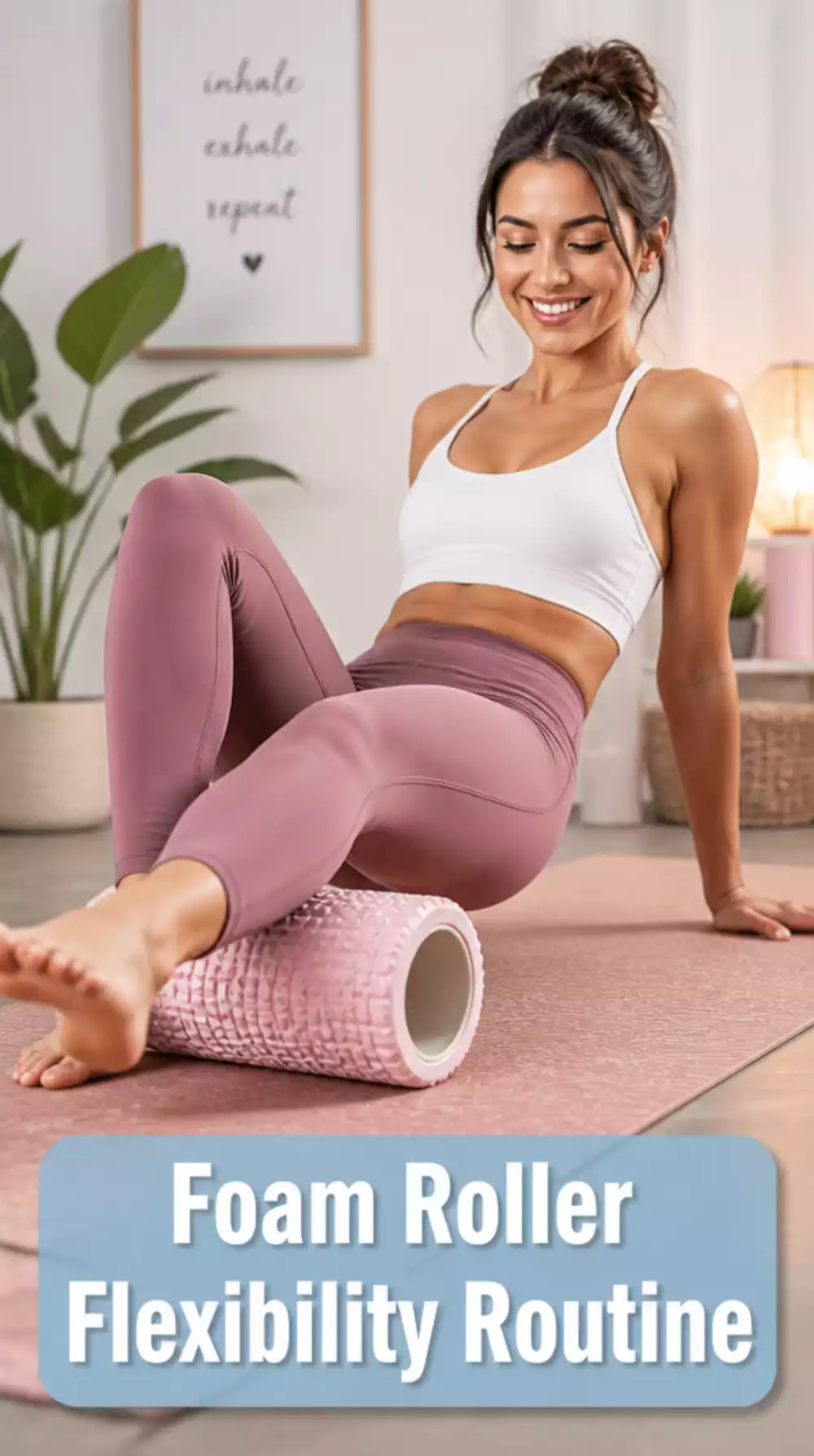
Unlock tight leg muscles and improve flexibility with foam rolling.
How Foam Rolling Loosens Tight Leg Muscles: Foam rolling aids in relieving muscle tension and improving flexibility. Tight leg muscles, often a result of prolonged sitting or intense workouts, can limit mobility and contribute to discomfort. Incorporating foam rolling into your routine not only enhances recovery but also keeps your muscles supple and ready for action.
What People Rarely Consider: Many skip foam rolling, thinking it's optional. But often, it’s the missing link in a well-rounded flexibility routine. For instance, after a long day at the office, rolling out your calves and thighs can make a world of difference in how you feel. It’s about easing tension before it becomes a bigger issue.
- ★Focus on rolling each muscle group for at least 30 seconds for optimal relief.
- ★Target common tight spots like quads, hamstrings, and calves for best results.
- ★Use a Muscle Roller Stick for Soreness to enhance your routine.
⭐ Top Products for Foam Rolling
Muscle Roller Stick for Soreness
This portable stick is perfect for deep tissue massage and recovery after workouts.
View on Amazon →Vibrating Massage Ball for Pain Relief
This vibrating ball helps penetrate deep into muscles for effective tension release.
View on Amazon →Plantar Fasciitis Relief Massage Ball
This massage ball is designed for deep tissue massage and trigger point therapy.
View on Amazon →💡 Quick Tips:
- Start Slow: Begin with light pressure to avoid discomfort while rolling.
- Focus on Trigger Points: Spend extra time on tight spots for effective release.
- Stay Hydrated: Drink water post-rolling to help flush out toxins released from muscles.
Home Stretch Workout Seated Hamstring Hold That Eases Lower Back Pain
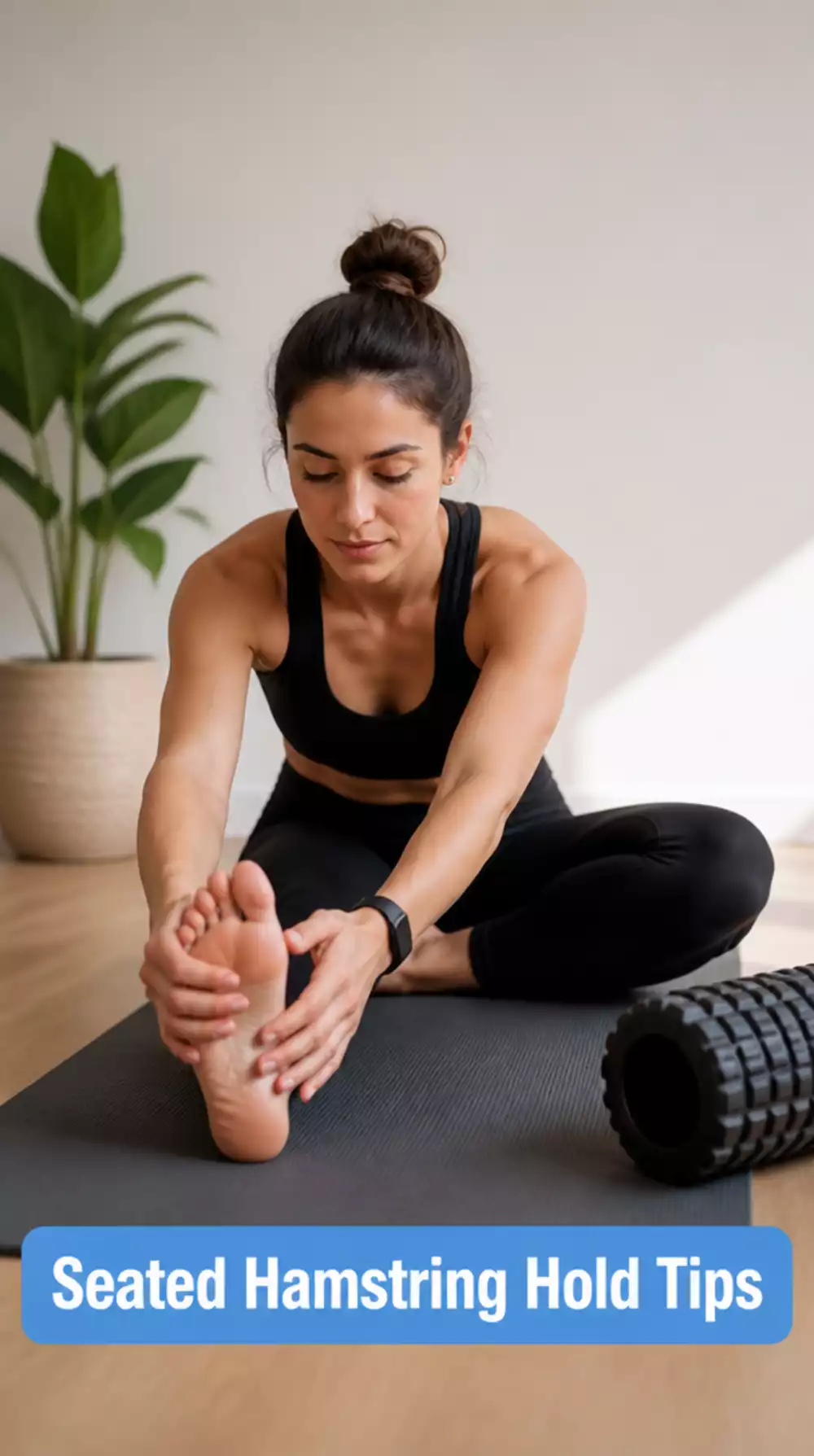
Unlock lower back relief with gentle hamstring stretches.
The Benefits of Seated Hamstring Holds: Incorporating the seated hamstring hold into your routine can significantly relieve tension in your lower back. This stretch targets tight hamstrings that often contribute to discomfort and even pain during daily activities. Regular practice helps maintain flexibility and enhances overall mobility.
A common detail often overlooked is the importance of proper posture while holding the stretch. Many people tend to round their back, which can minimize the effectiveness of the stretch and potentially lead to injury. Keeping your back straight will help you achieve maximum benefits and ensure safety.
- ★Hold the stretch for at least 30 seconds for optimal results.
- ★Consider using a foam roller to aid in muscle relaxation.
- ★Avoid bouncing during the stretch to prevent injury.
⭐ Top Products for Hamstring Stretches
Foam Roller for Back Pain Relief
This foam roller targets back pain relief and enhances flexibility during hamstring stretches.
View on Amazon →Vibrating Foam Roller for Muscle Relaxation
This vibrating foam roller reduces muscle stiffness, enhancing your hamstring stretch experience.
View on Amazon →Yoga Wheel Set for Back Pain Relief
This yoga wheel supports flexibility and relieves back pain during hamstring stretches.
View on Amazon →💡 Quick Tips:
- Focus on Posture: Keep your back straight to maximize stretch effectiveness and prevent injury.
- Gradually Increase Hold Time: Start with 30 seconds and add more time as you feel comfortable.
- Use Props: Consider a foam roller or towels to support your stretch and deepen relaxation.
Beginner Home Flexibility Workout Using a Yoga Strap for Deep Stretches
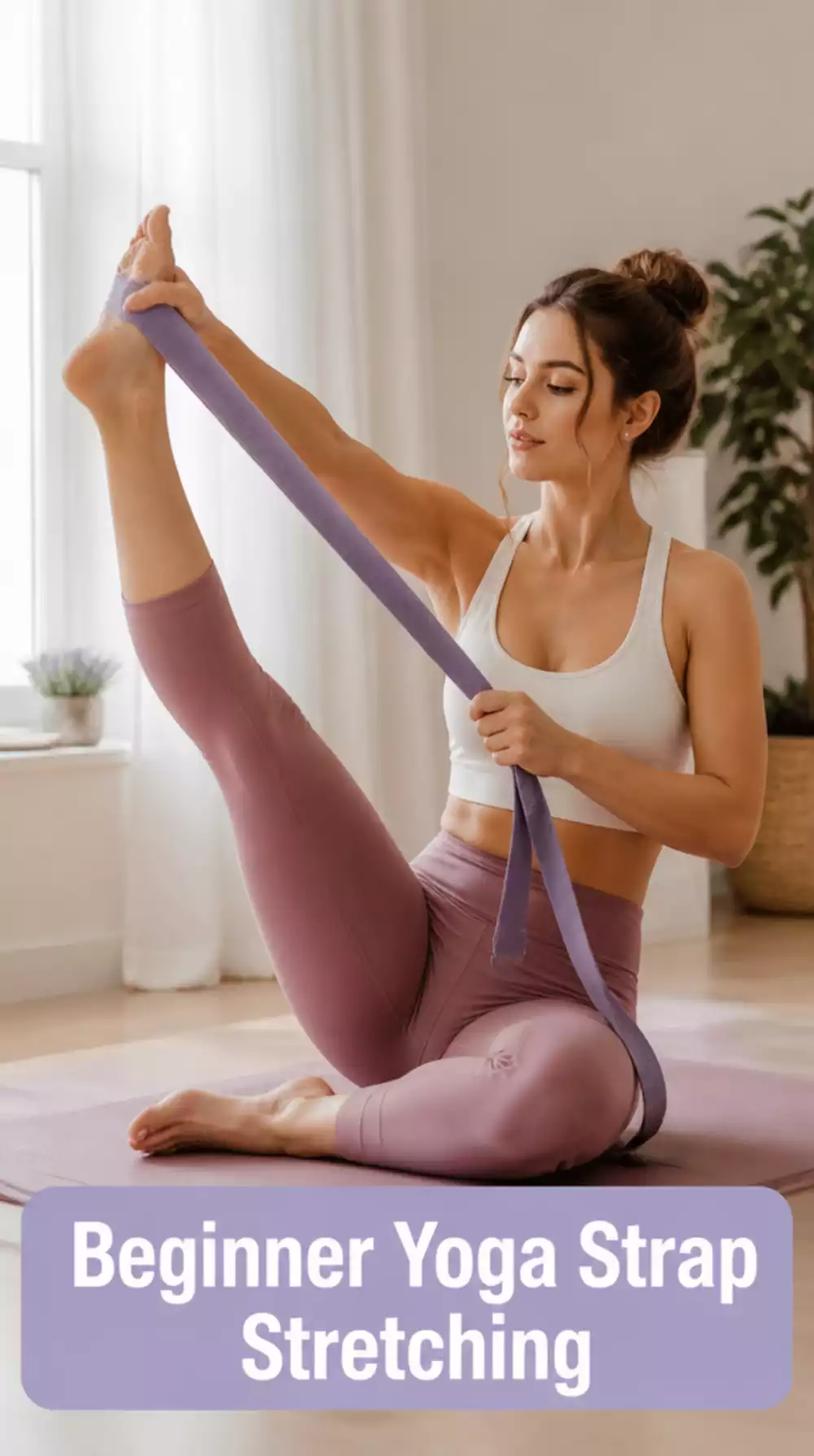
Enhance your flexibility journey with thoughtful strap exercises.
How a Yoga Strap Enhances Your Flexibility Routine: Using a yoga strap can be a game-changer for achieving deeper stretches and ensuring proper form. It provides the support needed to maintain alignment while gradually increasing your flexibility. This is especially beneficial for beginners, as it allows you to ease into positions without compromising safety.
A common mistake beginners make is skipping the right length and material for their yoga strap. Many don’t realize that choosing a strap that fits their height and comfort can significantly affect their stretching experience. For instance, a strap that's too short may not allow for full extension, limiting the benefits of the stretch.
- ★Incorporate the strap into daily stretches for consistency and gradual progress.
- ★Use a strap for seated forward bends to extend your reach without straining.
- ★Avoid overstretching; listen to your body and hold gentle tension.
⭐ Beginner Home Flexibility Workout Using a Yoga Strap for Deep Stretches
Stretching Strap with Loops for Therapy
This yoga strap helps achieve deeper stretches while ensuring proper alignment for beginners.
View on Amazon →Resistance Bands Set for Home Workouts
These versatile resistance bands are perfect for combining strength training with flexibility workouts.
View on Amazon →Stretching Straps Hamstring Stretcher
This hamstring stretcher offers targeted flexibility, enhancing your stretching routine effectively.
View on Amazon →🚀 Quick Tips:
- Choose the right strap length: Ensure it allows full extension for maximum stretch benefits.
- Use the strap for balance: Perfect for maintaining stability during deeper stretches.
- Incorporate daily practice: Consistency will gradually improve your flexibility and comfort levels.
Finding your rhythm with new stretches can feel both exciting and a bit challenging. Every gentle movement you add is a step toward feeling more open and comfortable. This approach honors your body’s pace and encourages lasting flexibility without pressure.
⚡ Keep This in Mind:
- Warming up gently can reduce strain—try simple posture routines to start.
- Avoid pushing too hard during stretches to keep progress steady and safe.
- Breathing deeply helps your muscles relax and enhances each stretch’s benefit.
- Allowing rest days supports recovery and keeps you consistent over time.
Home Mobility Workout Thoracic Rotation That Fixes Upper Back Stiffness
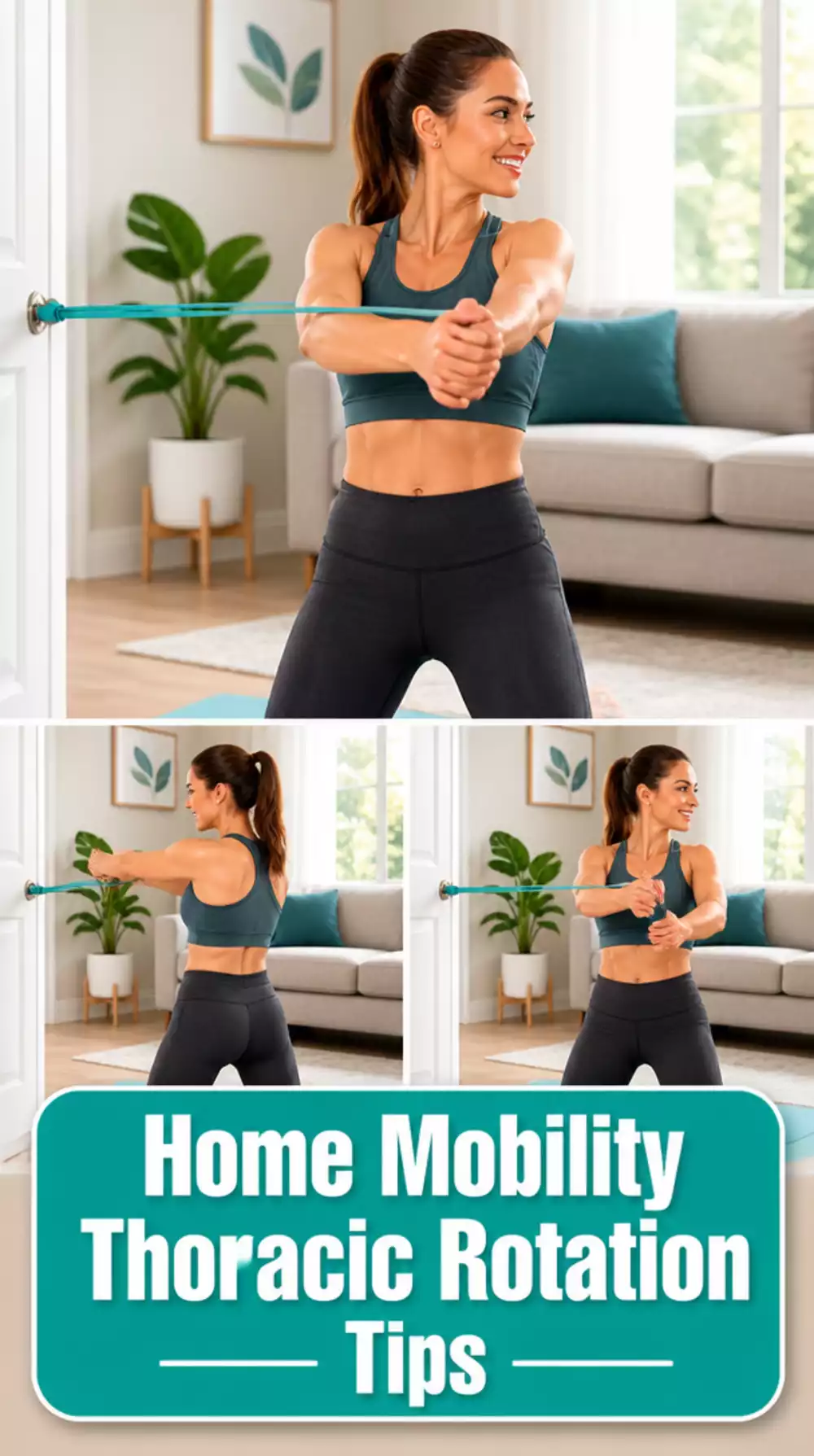
Unlock upper back flexibility with simple thoracic rotations.
The Benefits of Thoracic Rotation for Upper Back Stiffness: If you often experience stiffness in your upper back, thoracic rotation exercises can help. These movements improve flexibility and *alleviate discomfort* by increasing mobility in the thoracic spine, which is crucial for maintaining good posture and performing daily activities comfortably.
What People Rarely Consider is how much upper back stiffness can creep up on you after long hours of sitting or poor ergonomics. You might think it’s just fatigue, but neglecting thoracic mobility can lead to long-term discomfort. Incorporating these exercises into your routine can make a significant difference; for instance, simply adding a few minutes of rotation can drastically relieve tightness.
- ★Incorporate resistance bands for added support during thoracic rotations. Check out this set of resistance bands.
- ★Engage your core as you rotate to enhance stability and prevent injury.
- ★Avoid rushing the movements—take your time to ensure proper form.
⭐ Top Products for Thoracic Mobility
Resistance Bands for Strength Training
Improve your upper back mobility with these durable resistance bands designed for strength training.
View on Amazon →Resistance Bands Set for Mobility
These versatile bands are perfect for enhancing your thoracic mobility workouts effectively at home.
View on Amazon →Resistance Bands for Working Out
These multi-functional bands work well for various exercises, enhancing your upper back flexibility.
View on Amazon →📋 Quick Tips:
- Engage your core: This stabilizes your body during thoracic rotations, enhancing effectiveness.
- Focus on your breathing: Inhale deeply as you rotate, exhale while returning to center to maximize relaxation.
- Perform slow, controlled movements: This helps ensure you're maintaining proper form and preventing strain.
Home Flexibility Routine Pigeon Pose Variation That Opens Tight Hips
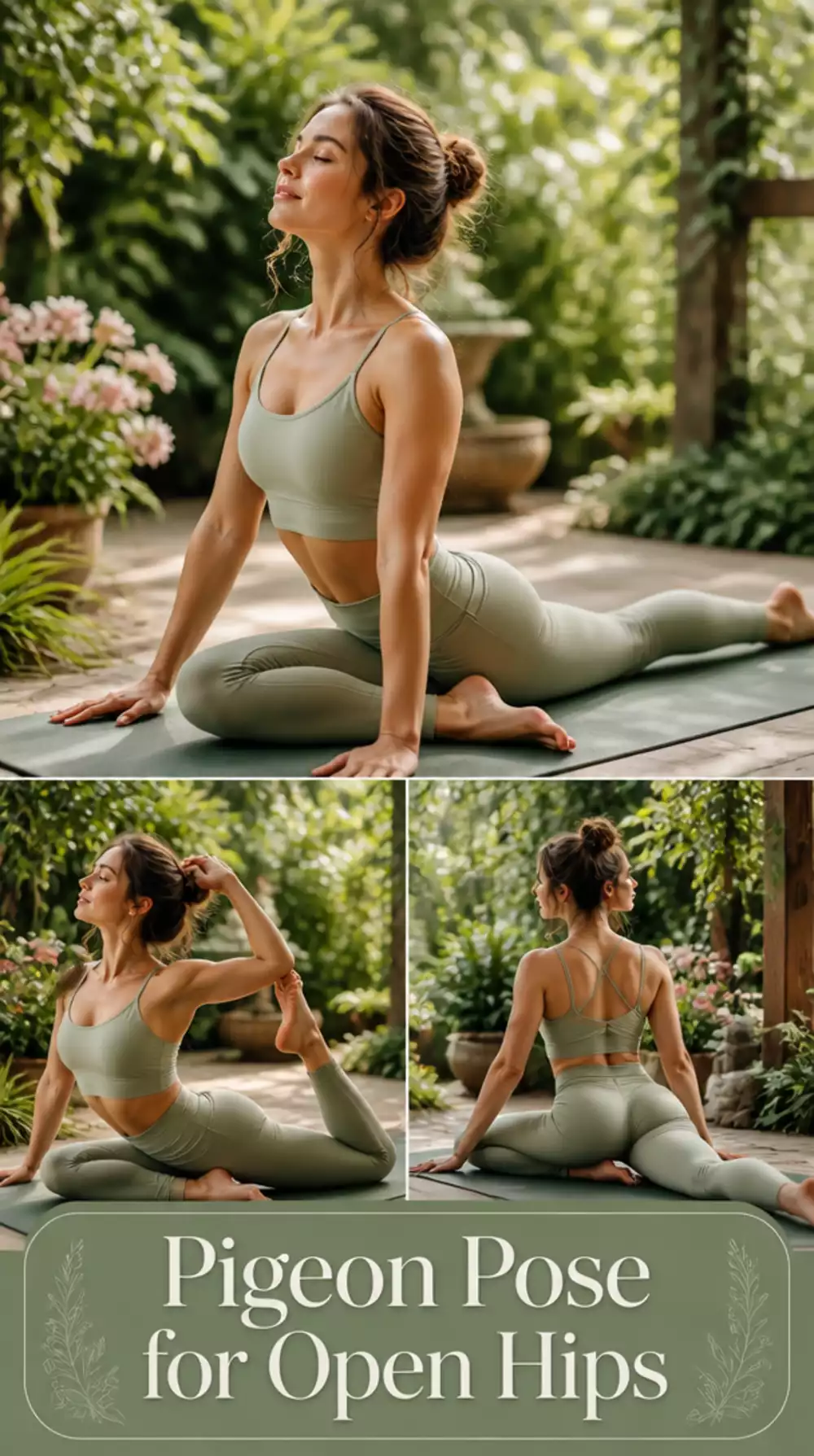
Transform tight hips into a source of comfort and mobility.
Understanding the Pigeon Pose Variation for Tight Hips: The pigeon pose is a fantastic way to open tight hips while promoting relaxation. By incorporating variations tailored to your flexibility level, you can significantly improve mobility and reduce discomfort. Regular practice not only enhances overall hip flexibility but also contributes to a more comfortable daily routine.
Where Most People Get Stuck: Many overlook the importance of proper alignment in the pigeon pose, leading to unnecessary strain. For example, failing to keep the hips square can result in discomfort and limit the effectiveness of the stretch. Taking time to adjust and find the right position can make all the difference.
- ★Hold the pigeon pose for at least 30 seconds to truly benefit from the stretch.
- ★Consider using a Pilates Bar Kit with Resistance Bands to enhance your hip flexibility routine.
- ★Be mindful of your breathing; deep, steady breaths can help deepen the stretch.
⭐ Top Products for Hip Opening Exercises
Pilates Bar Kit with Resistance Bands
This kit enhances hip opening routines and strengthens with resistance bands.
View on Amazon →Fabric Workout Bands for Legs
These non-slip fabric bands are perfect for comfortable leg workouts and hip flexibility.
View on Amazon →Foam Roller Set for Muscle Massage
This set enhances muscle massage to improve hip flexibility and reduce tightness.
View on Amazon →💡 Quick Tips:
- Find Your Comfort Zone: Adjust the pigeon pose variation to suit your flexibility level.
- Use Props: Incorporate blocks or a pillow under your hip for extra support.
- Focus on Alignment: Keep your hips squared to enhance the effectiveness of the stretch.
Why a 10-Minute Home Flexibility Routine After Workouts Speeds Recovery
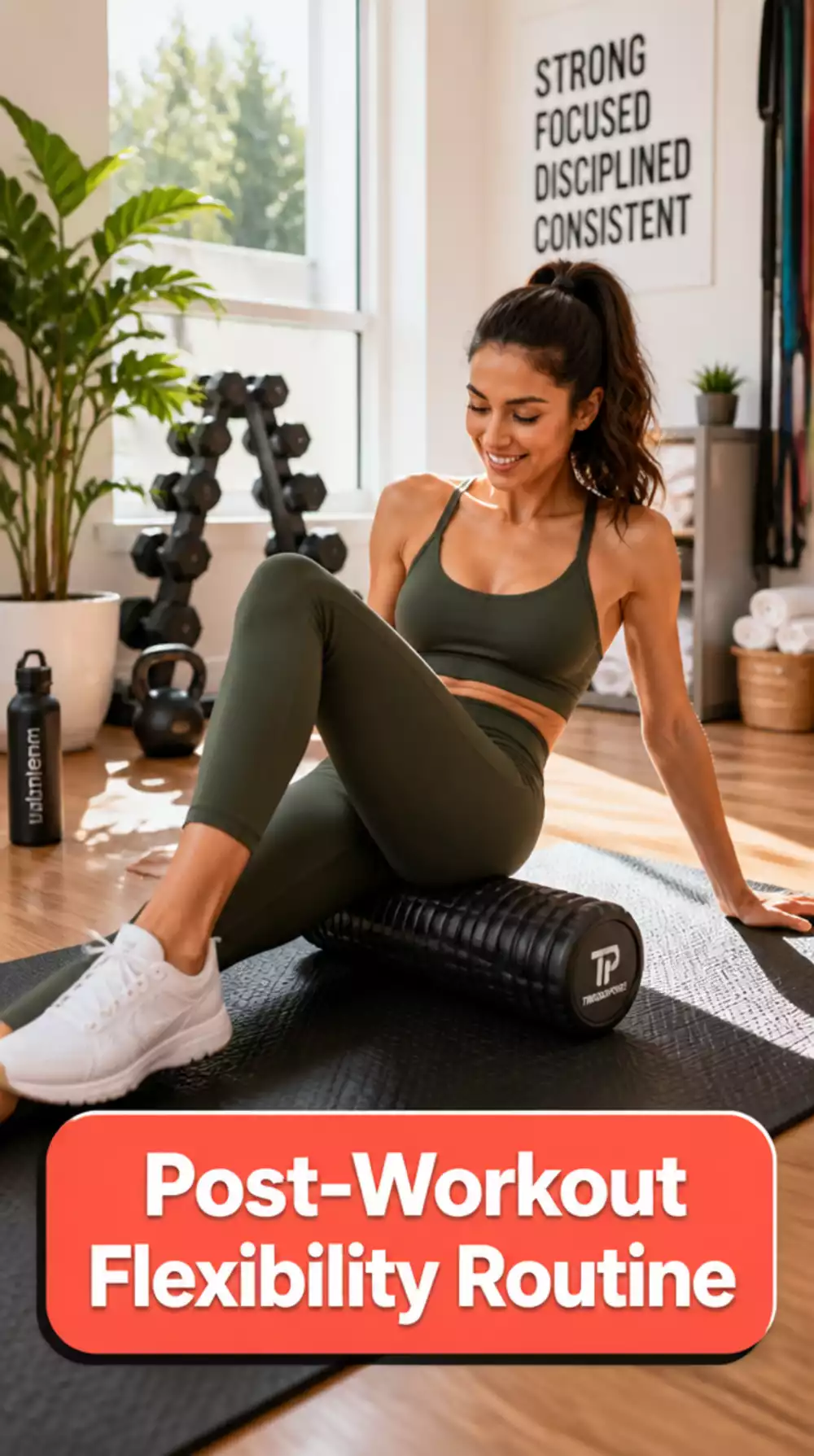
Enhance recovery with a quick post-workout flexibility routine.
Understanding How a 10-Minute Flexibility Routine Speeds Recovery: Did you know that a simple 10-minute flexibility routine post-workout can significantly enhance recovery? Engaging in targeted stretching helps to calm muscle tension and improves blood flow, allowing your body to repair more effectively. Plus, it can prevent injuries and enhance your overall performance.
What Often Gets Overlooked is the psychological boost you receive from dedicating just a few minutes to flexibility. Many people rush through their workouts but neglect this vital recovery step. For instance, after a tough strength session, taking ten minutes to stretch can leave you feeling more relaxed and ready to tackle your day.
- ★Incorporate light stretching of major muscle groups right after your workouts.
- ★Use a foam roller to target tight spots and enhance your flexibility routine. Check out this foam roller set.
- ★Don't skip your post-workout stretches; it's crucial for muscle recovery.
⭐ Why a 10-Minute Home Flexibility Routine After Workouts Speeds Recovery
Foam Roller Set for Muscle Recovery
This complete set enhances muscle recovery and is perfect for post-workout flexibility routines.
View on Amazon →Lacrosse Ball for Myofascial Release
This ball provides targeted relief for muscle tension, enhancing your flexibility routine.
View on Amazon →Complete Foam Roller Set for Recovery
This set offers comprehensive recovery options, aiding muscle healing after workouts.
View on Amazon →💡 Your Quick Start Guide:
- Stretch Right After Your Workout: Dedicate 10 minutes to stretch major muscle groups.
- Incorporate Deep Breathing: Use deep breaths during stretches to enhance relaxation and effectiveness.
- Focus on Tight Areas: Target any tight spots with specific stretches to improve flexibility and recovery.
You now have seven practical approaches to enhance your flexibility and comfort at home. Start with what feels manageable and let these small adjustments pave the way for greater ease in your daily routine.
Your body will respond positively to every mindful effort, leading to a sense of relief and improved mobility. Remember, small, intentional changes add up to create lasting benefits over time.