

What if the key to enhancing your mental wellbeing lies not just in therapy or meditation, but on your plate? Nutrition plays a vital role in shaping our mood, energy levels, and cognitive function. If you’re ready to explore how your dietary choices can uplift your mind and support your overall mental health, keep reading!
As an Amazon Associate I earn from qualifying purchases. Affiliate links may earn me a commission at no extra cost to you.
What You Will Learn
- The vital connection between nutrition and mental health in women, particularly regarding mood regulation and cognitive function.
- How balanced meals and nutrient-rich foods can improve mood and reduce anxiety.
- The significance of gut health and its impact on emotional wellbeing, emphasizing probiotics and fiber-rich foods.
- Practical steps for creating a personalized nutrition plan to elevate mental health, including meal ideas and budget-friendly options.
Understanding the Overlooked Connection Between Nutrition and Women's Mental Health
As a fitness advocate, I can’t stress enough how closely our nutrition ties into our mental wellbeing, especially for women. Many of us juggle various roles, and it’s easy to overlook how what we eat influences not just our physical health but our mental state as well. Understanding this connection can empower us to make choices that not only strengthen our bodies but also uplift our minds!
When we think about mental health, we often focus on external factors like stress or emotional support. However, the foundation of a healthy mind often starts on our plates. Nutrition plays a vital role in shaping our mood, energy levels, and overall cognitive function. The right foods can be a form of self-care that nurtures our mental health.
Why Nutrition Matters for Mental Wellbeing in Women
It’s fascinating to realize that the nutrients we consume can directly influence our mental health. Research shows that women, in particular, are more susceptible to mood disorders, and nutrition can be a key factor in navigating these challenges. By being mindful of what we eat, we can create a positive impact on our mental clarity and emotional stability.
- Balanced meals can improve mood and reduce anxiety.
- Nutrients like vitamins and minerals play pivotal roles in regulating neurotransmitters.
- A well-rounded diet helps maintain energy levels, which can affect our outlook on life.
At Women Fit Space Daily, I often share insights on how nutrition advice for postpartum healing can also enhance mental wellbeing. It’s about addressing the holistic needs of women during significant life transitions.
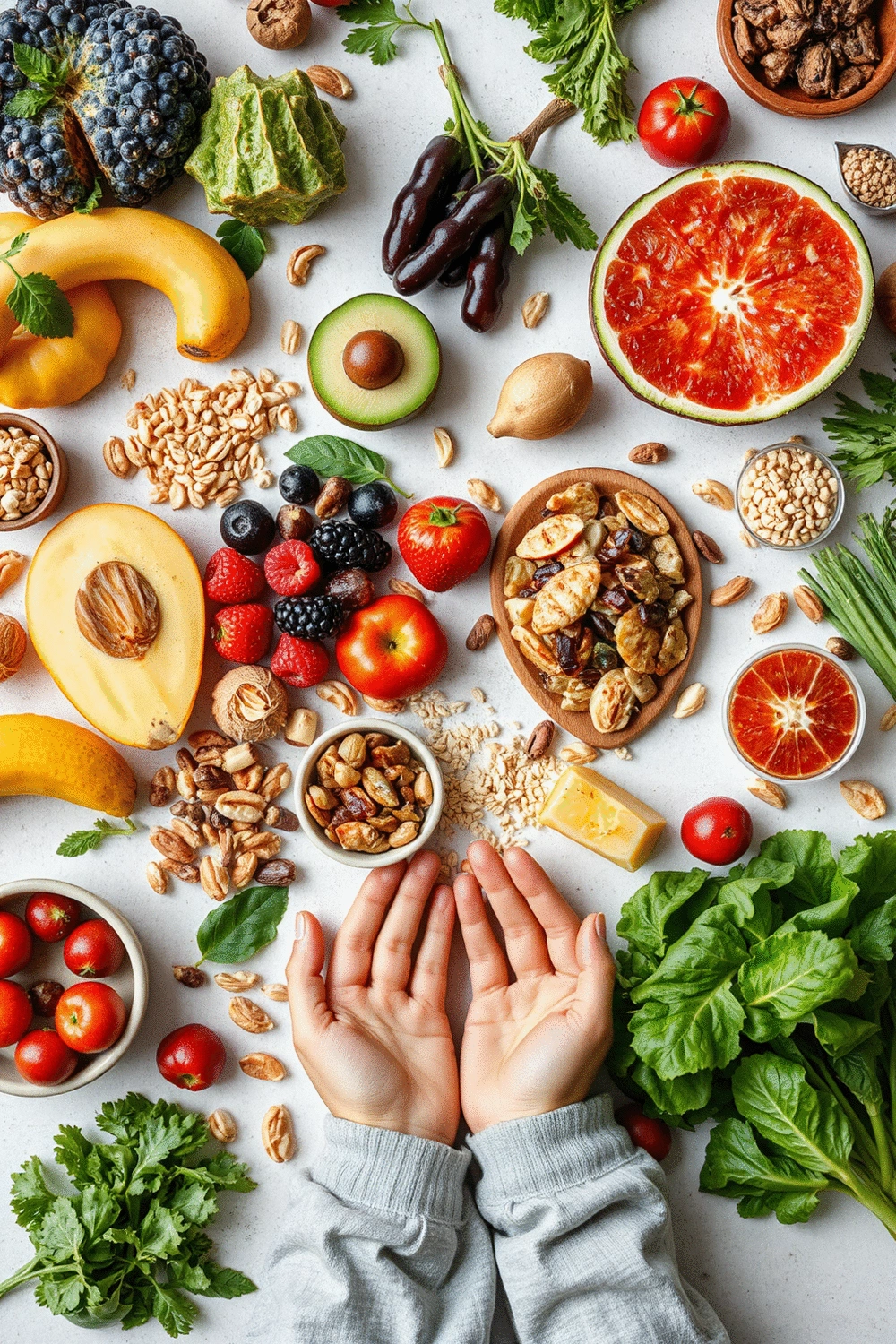
The Role of Diet in Influencing Mood and Cognitive Function
Ever notice how certain foods can make you feel more energetic or, conversely, sluggish? This isn’t just your imagination! Foods rich in healthy fats, antioxidants, and dietary fibers can help stabilize blood sugar levels, leading to improved mood and cognitive function. For example, whole grains and omega-3 fatty acids have been linked to better concentration and emotional regulation.
- Opt for complex carbohydrates like oats and sweet potatoes for sustained energy.
- Include fatty fish like salmon for essential omega-3s.
- Incorporate fruits and vegetables rich in antioxidants to fight oxidative stress.
Additionally, have you ever considered how your food choices might enhance your workouts? My article on top foods to boost your home workouts outlines how the right diet not only benefits your fitness but also supports mental clarity and emotional health.
How Gut Health Affects Women's Mental Health
The gut-brain connection is a hot topic, and for good reason! It turns out that a healthy gut can significantly influence our mental health. The gut microbiome affects how we process emotions and manage stress. Women often experience unique challenges with their gut health, which can further impact their mental state.
- Probiotics found in yogurt and fermented foods can enhance gut health.
- Fiber-rich foods like fruits, vegetables, and whole grains promote a healthy microbiome.
- Limiting processed foods can reduce inflammation, which is linked to mood disorders.
Taking care of our gut health is a crucial step in supporting our mental wellbeing. If you're looking to dive deeper into how our dietary choices impact overall health, check out my post on the role of gut health in women's fitness. It’s all interconnected, and understanding it can help us thrive!
Frequently Asked Questions About Nutrition and Mental Health
- Q: How does nutrition directly impact mental health?
- A: Nutrition plays a vital role by providing essential nutrients that regulate neurotransmitters, stabilize blood sugar, and reduce inflammation, all of which influence mood, energy levels, and cognitive function. A well-balanced diet can improve mental clarity and emotional stability.
- Q: What types of foods are best for improving mood and reducing anxiety?
- A: Foods rich in healthy fats (like those found in fatty fish), antioxidants (from fruits and vegetables), and complex carbohydrates (such as oats and sweet potatoes) are beneficial. Probiotic-rich foods (yogurt, fermented foods) and fiber-rich foods also support gut health, which is linked to emotional wellbeing.
- Q: Why is gut health important for mental health?
- A: The gut-brain connection means that a healthy gut microbiome can significantly influence how we process emotions and manage stress. Probiotics and fiber help maintain a balanced microbiome, reducing inflammation and supporting emotional regulation.
- Q: How can I create a personalized nutrition plan for mental health?
- A: Start by assessing your current eating habits and identify areas for improvement. Focus on incorporating a variety of whole foods, including fruits, vegetables, and lean proteins, and set realistic, achievable goals. Consider consulting a nutritionist for tailored advice.
- Q: How long does it take to see the effects of dietary changes on mental health?
- A: It typically takes a few weeks of consistent dietary changes to notice significant improvements in mental health. Patience and consistency are key to achieving lasting results.
- Q: Can hydration affect mental clarity and mood?
- A: Yes, proper hydration is crucial for mental clarity, concentration, and mood stability. Dehydration can lead to reduced cognitive function and mood disturbances. Aim for at least 8 cups of water daily and include hydrating foods.
Practical Guidance for Implementing Nutritional Changes
Making changes to your nutrition can feel daunting, but it doesn't have to be! At Women Fit Space Daily, I believe that creating a personalized nutrition plan for your mental health can be an empowering experience. It’s all about understanding what works for you and your lifestyle. So, let’s dive into some practical steps you can take to elevate your nutrition game!

Creating a Personalized Nutrition Plan for Mental Health
First things first: a personalized nutrition plan is tailored to your unique needs, preferences, and goals. Here’s how you can get started:
- Assess your current eating habits and identify areas for improvement.
- Focus on incorporating a variety of whole foods, including fruits, vegetables, and lean proteins.
- Set realistic and achievable goals, like adding one new vegetable to your meals each week.
Remember, it's about progress, not perfection! You can check out A Beginner’s Guide to Meal Planning for Fitness for more tips on getting your meal plan just right.
Sample Meal Plans and Shopping Lists
Need some inspiration? Here are a few sample meal ideas that can support your mental health:
- Breakfast: Overnight oats topped with berries and almonds.
- Lunch: A colorful salad with leafy greens, chickpeas, and avocado.
- Dinner: Grilled salmon with quinoa and steamed broccoli.
And don’t forget your shopping list! Having a list can make grocery shopping a breeze and help you stick to your nutrition goals.
Affordable Whole Food Options for Every Budget
Eating healthy doesn’t mean you have to break the bank! Here are some budget-friendly whole food options:
- Frozen fruits and vegetables — just as nutritious, often more affordable!
- Whole grains like brown rice and oats, which are filling and versatile.
- Canned beans and legumes for easy protein additions to meals.
These options can easily fit into any budget while supporting your mental clarity. And if you’re curious about hydration, don’t miss out on Unlock the Importance of Hydration in Women's Fitness, where I share how staying hydrated can enhance mental clarity and overall well-being!
Hydration and Mental Clarity: The Overlooked Factor
Did you know that hydration plays a critical role in your mental health? Staying properly hydrated can improve concentration, cognitive function, and even mood stability! Aim for at least 8 cups of water a day, and remember that foods like cucumbers, watermelon, and oranges can help boost your intake.

Creating a habit of drinking water regularly throughout the day can lead to better mental clarity. Consider setting reminders on your phone or keeping a water bottle nearby as a visual cue! If you're also focused on physical activity, explore how smart fitness equipment can enhance your home workouts at Innovations in Smart Fitness Equipment for Home Gyms.
Setting Realistic Expectations: What to Expect from Dietary Changes
It’s essential to have realistic expectations when making dietary changes. While you may want immediate results, remember that lasting changes take time. Be patient with yourself and celebrate small victories along the way!
How Long Do Dietary Adjustments Take to Impact Mental Health?
Generally, it can take a few weeks to notice significant changes in your mental health after implementing a new diet. Consistency is key! Keep tracking your progress and adjust your plan as needed to suit your evolving needs. For those just starting their fitness journey, understanding how to build consistent habits is key, learn more at How Habit-Building Strategies Led Beginners to Fitness.
Understanding the Relationship Between Nutrition and Medication
If you're on medication for mental health, it's vital to discuss your dietary changes with your healthcare provider. Certain foods can interact with medications, so being informed and cautious is crucial for your safety and wellbeing.
Recap of Key Points
- Nutrition is closely linked to women's mental health, influencing mood and cognitive function.
- Balanced meals, rich in vitamins and minerals, can significantly improve mental clarity and emotional stability.
- Foods rich in healthy fats and antioxidants can enhance mood and cognitive function, supporting overall wellbeing.
- Maintaining gut health through probiotics and fiber-rich foods is crucial for emotional regulation and stress management.
- Creating a personalized nutrition plan tailored to individual needs can empower women in their mental health journey.
- Hydration plays a vital role in mental clarity, so aim for adequate water intake daily.