
What if the key to smashing your fitness goals lies not just in your workouts but on your plate? Embracing nutrition as the foundation of your fitness journey can be a game changer. This article reveals why a balanced diet is essential for fueling both your body and mind.
As an Amazon Associate I earn from qualifying purchases. Affiliate links may earn me a commission at no extra cost to you.
What You Will Learn
- Nutrition is essential for providing energy, aiding recovery, and improving mental clarity during workouts.
- Micronutrients, such as vitamins and minerals, play a crucial role in energy production and muscle function.
- A balanced diet includes a variety of macronutrients and emphasizes whole, nutrient-dense foods.
- Hydration and portion control are vital to optimizing performance and supporting fitness goals.
Understanding the Importance of a Balanced Diet in Achieving Fitness Goals
When it comes to fitness, many of us focus on workouts and exercise, but let’s not forget the backbone of achieving our goals: nutrition! A balanced diet is essential for fueling our bodies and supporting our fitness journey. It’s not just about counting calories; it’s about nourishing ourselves with the right foods to enhance performance and recovery.
At Women Fit Space Daily, I’ve seen firsthand how nutrition can transform not only our bodies but also our mindset. It's empowering to know that the food we eat can be a significant factor in our success. So, let’s dive into why nutrition truly matters for fitness success!

Why Nutrition Matters for Fitness Success
Nutrition is the foundation of any successful fitness journey. Here are just a few reasons why it’s so crucial:
- It provides energy for workouts, helping us push through challenging routines.
- Proper nutrition supports recovery, making sure our muscles repair efficiently after exercise.
- A balanced diet can improve mood and mental clarity, keeping us focused on our goals.
By prioritizing nutrition, we create a supportive environment for our bodies to thrive during workouts and daily activities. Want to learn more about the essentials of nutrition? Check out our post on top foods to boost your home workouts for some practical tips!
The Role of Micronutrients in Supporting Overall Health
While macronutrients like proteins, fats, and carbohydrates often take the spotlight, let’s not overlook the importance of micronutrients. These vitamins and minerals play a vital role in various bodily functions, from immune support to energy production. Here’s how they can impact your fitness:
- Vitamins: Essential for energy metabolism and cell repair.
- Minerals: Important for muscle function and hydration.
- Antioxidants: Help combat oxidative stress, which can occur during intense workouts.
Incorporating a variety of colorful fruits and vegetables into your diet is an excellent way to ensure you’re getting the necessary micronutrients. For more insights on nutrition, don’t miss my article on 10 must-know nutrition tips for postpartum healing!

How a Balanced Diet Supports Physical Activity
A balanced diet fuels our bodies for all types of physical activity. Here’s what you need to know:
- Energy Levels: Foods rich in complex carbohydrates provide sustained energy, perfect for longer workouts.
- Muscle Repair: Consuming adequate protein aids in repairing muscles post-exercise.
- Hydration: Staying hydrated with nutrient-rich foods can enhance your overall performance.
So, as you work towards your fitness goals, remember that a well-rounded diet is your best ally. It’s about creating a nourishing environment for your body to excel. Ready to make the most of your nutrition? Let’s explore the next steps together!
Key Takeaways for Building Your Balanced Diet
As we navigate our fitness journeys, it’s essential to distill our approach to nutrition into manageable steps. Building a balanced diet doesn’t need to be overwhelming. Here are some key takeaways to keep in mind:
- Prioritize whole, nutrient-dense foods.
- Include a variety of macronutrients: proteins, carbohydrates, and fats.
- Pay attention to portion sizes to support your fitness goals.
- Stay hydrated to optimize overall performance.
By focusing on these principles, you can create a nutrition plan that harmonizes with your fitness routine. Remember, it’s about progress, not perfection! If you want to dive deeper into nutrient-rich foods that can enhance your workouts, check out our post on top foods to boost your home workouts.
Frequently Asked Questions About Nutrition and Fitness
- Why is nutrition considered the foundation of fitness?
Nutrition provides essential energy for workouts, supports efficient muscle recovery, and contributes to improved mood and mental clarity, all of which are crucial for achieving fitness goals. - What role do micronutrients play in fitness?
Micronutrients, including vitamins and minerals, are vital for various bodily functions such as energy metabolism, cell repair, muscle function, and hydration, which directly impact fitness performance and overall health. - How does a balanced diet support physical activity?
A balanced diet supplies sustained energy through complex carbohydrates, aids in muscle repair with adequate protein intake, and enhances overall performance through proper hydration. - What are the key takeaways for building a balanced diet?
Key takeaways include prioritizing whole, nutrient-dense foods, incorporating a variety of macronutrients (proteins, carbohydrates, fats), paying attention to portion sizes, and staying well-hydrated. - Where can I find expert nutritional guidance?
Trustworthy and knowledgeable sources for nutrition guidance include registered dietitians or nutritionists who specialize in women's health and fitness, as they can provide personalized advice.
Summarizing the Steps to a Healthier Nutrition Plan
In summary, adopting a balanced diet requires you to be mindful of what you consume while ensuring it aligns with your fitness aspirations. Here are a few steps you can take:
- Assess your current eating habits and identify areas for improvement.
- Incorporate a variety of foods from all food groups.
- Make a meal plan that reflects your goals and preferences.
- Track your progress and adjust your plan as needed.
Don’t forget the role of micronutrients in supporting your overall health! These essential vitamins and minerals can be found in fruits, vegetables, and whole grains. For more on the importance of gut health in your wellness journey, check out this insightful article! Also, consider how maintaining your gym equipment can contribute to a safer and more effective fitness routine.
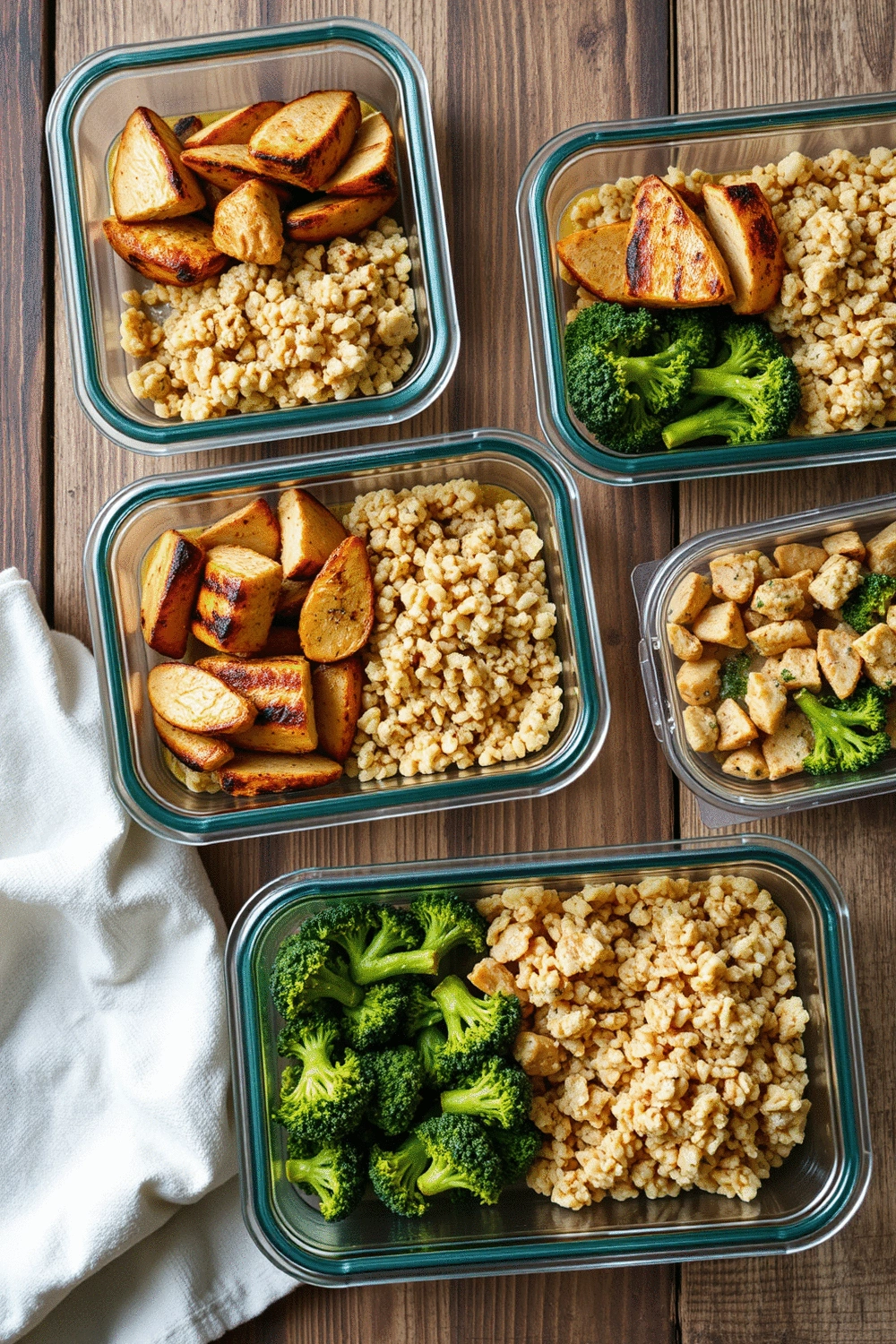
Encouraging Long-Term Success Through Nutrition and Fitness
When we focus on our nutrition, we lay the foundation for long-term success. It's about creating habits that stick rather than quick fixes. By integrating nutritious foods consistently into your meals, you cultivate a positive relationship with food and fitness.
- Celebrate small victories to build motivation.
- Join a community for support and accountability.
- Educate yourself on nutrition to make informed choices.
As you embark on this journey, remember that every step forward counts! If you're looking for specific advice on nutrition tailored to your needs, I recommend checking out our post on must-know nutrition tips for postpartum healing. Additionally, explore how yoga poses for beginners can complement your fitness and nutrition efforts. Together, let’s empower each other to reach our health and fitness goals!
Next Steps: Tools and Resources for Your Nutrition Journey
Interactive Resources: Calorie and Macronutrient Calculators
Utilizing online tools can simplify your nutrition journey. There are several interactive resources available that allow you to calculate your calorie and macronutrient needs. These calculators can help you tailor your diet to fit your specific goals, whether you’re aiming to lose weight, build muscle, or simply maintain a healthy lifestyle.
Where to Find Expert Nutritional Guidance and Support
Finding trustworthy and knowledgeable sources for nutrition guidance is crucial. Look for registered dietitians or nutritionists who specialize in women's health and fitness. They can provide personalized advice that aligns with your lifestyle and fitness goals, helping you stay on track.
Understanding Food Labels for Better Choices
Learning to read food labels can significantly impact your dietary choices. Familiarize yourself with key components such as:
- Serving sizes
- Nutritional content (fats, sugars, protein)
- Ingredients list
This knowledge empowers you to make informed choices that support your balanced diet and fitness journey!
Recap of Key Points
Here is a quick recap of the important points discussed in the article:
- Nutrition is the foundation of fitness success, providing energy for workouts and supporting recovery.
- Micronutrients, such as vitamins and minerals, play a vital role in overall health and fitness performance.
- A balanced diet fuels physical activity by ensuring adequate energy levels, muscle repair, and hydration.
- Key takeaways for building a balanced diet include prioritizing whole foods, incorporating a variety of macronutrients, and staying hydrated.
- Establishing healthy eating habits is essential for long-term success in fitness and nutrition.