
Did you know that incorporating fiber into your diet can transform your overall health? This unassuming nutrient plays a vital role in women's wellness, influencing everything from digestion to disease prevention. Let’s explore the essential lessons on fiber that can empower your health journey!
As an Amazon Associate I earn from qualifying purchases. Affiliate links may earn me a commission at no extra cost to you.
What You Will Learn
- Fiber enhances digestive health by promoting regular bowel movements and preventing constipation.
- A high-fiber diet can aid in weight management by increasing satiety and reducing overall calorie intake.
- Fiber helps regulate blood sugar levels, crucial for preventing diabetes and managing energy levels.
- Women have specific fiber needs during different life stages, such as pregnancy and menopause, which can impact hormonal balance and recovery.
- The recommended daily fiber intake for women varies, with 25 grams suggested for those aged 19-50, and 28 grams for pregnant women.
Understanding the Importance of Fiber in Women's Health
When we think about our health, one key player often gets overlooked: fiber. It’s time to shine a light on this nutritional powerhouse and understand why it’s particularly vital for women’s wellness. Fiber is more than just a buzzword in health circles; it plays a crucial role in our overall health, digestion, and even in managing weight effectively.
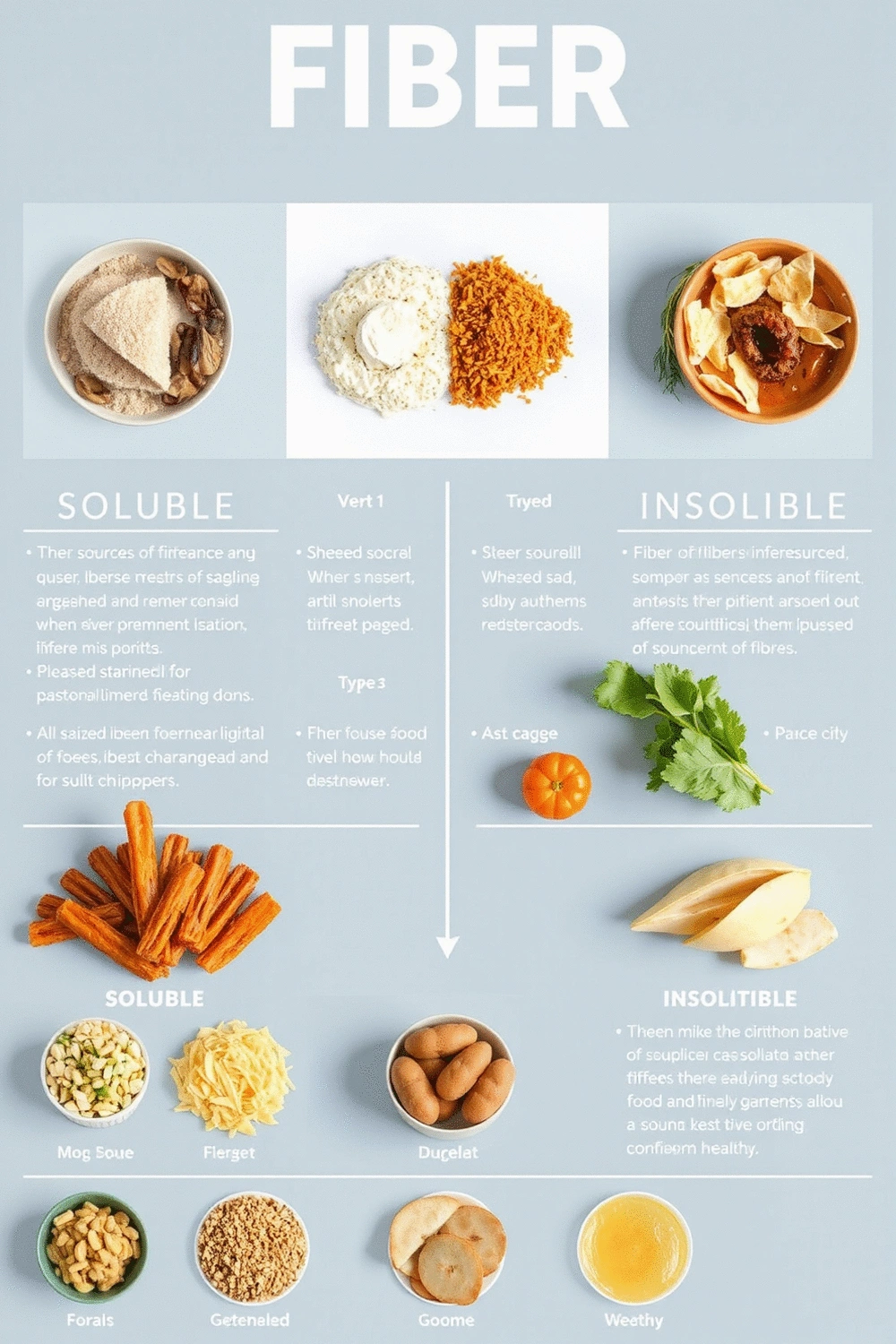
Fiber comes in two types—soluble and insoluble—and both are essential for maintaining a healthy body. By incorporating adequate fiber into our diets, we can enhance our digestive health, support weight management, and even lower the risk of chronic diseases. It's about nurturing our bodies with what they need, and fiber is a key component of that nurturing.
What is Dietary Fiber and Why is it Essential?
Dietary fiber consists of the parts of plant foods that our bodies can’t digest. Unlike other food components like fats, proteins, and carbohydrates, fiber isn’t broken down by our body. Instead, it passes through the digestive system, providing numerous benefits. Here’s why it’s essential:
- Promotes healthy digestion: Fiber aids in moving food through the digestive tract, preventing constipation.
- Supports weight management: High-fiber foods are more filling, helping us to feel satisfied longer.
- Regulates blood sugar: Fiber slows the absorption of sugar, preventing spikes in blood sugar levels.
As a fitness advocate, I often hear from women who struggle with digestion or maintaining energy levels throughout the day. That’s where fiber comes into play! When we focus on fiber-rich foods, we’re not just eating; we’re fueling our bodies for optimal performance.
The Connection Between Fiber and Women's Nutritional Needs
Women have unique nutritional needs that evolve through different life stages, such as pregnancy, postpartum recovery, and menopause. Understanding how fiber fits into these stages can be incredibly empowering. For instance, during pregnancy, fiber helps alleviate constipation, a common issue many women face. Here are some key points to consider:
- Fiber helps balance hormones during menopause, easing symptoms like bloating.
- Postpartum, it supports recovery by aiding digestion and promoting gut health.
- It’s essential for women over 40 to focus on fiber as part of their overall nutrition, helping to reduce the risk of chronic diseases.
By prioritizing fiber, we’re not only addressing these unique challenges but also boosting our overall health and wellness. For more on tailored nutrition advice, check out my post on unlocking vibrant health through nutrition.
Recommended Daily Intake of Fiber for Women
So, how much fiber do we really need? Generally, women should aim for about 25 grams of fiber each day. However, this can vary based on age and life stage. Here’s a quick breakdown:
- Women aged 19-50: 25 grams
- Women aged 51 and older: 21 grams
- Pregnant women: 28 grams
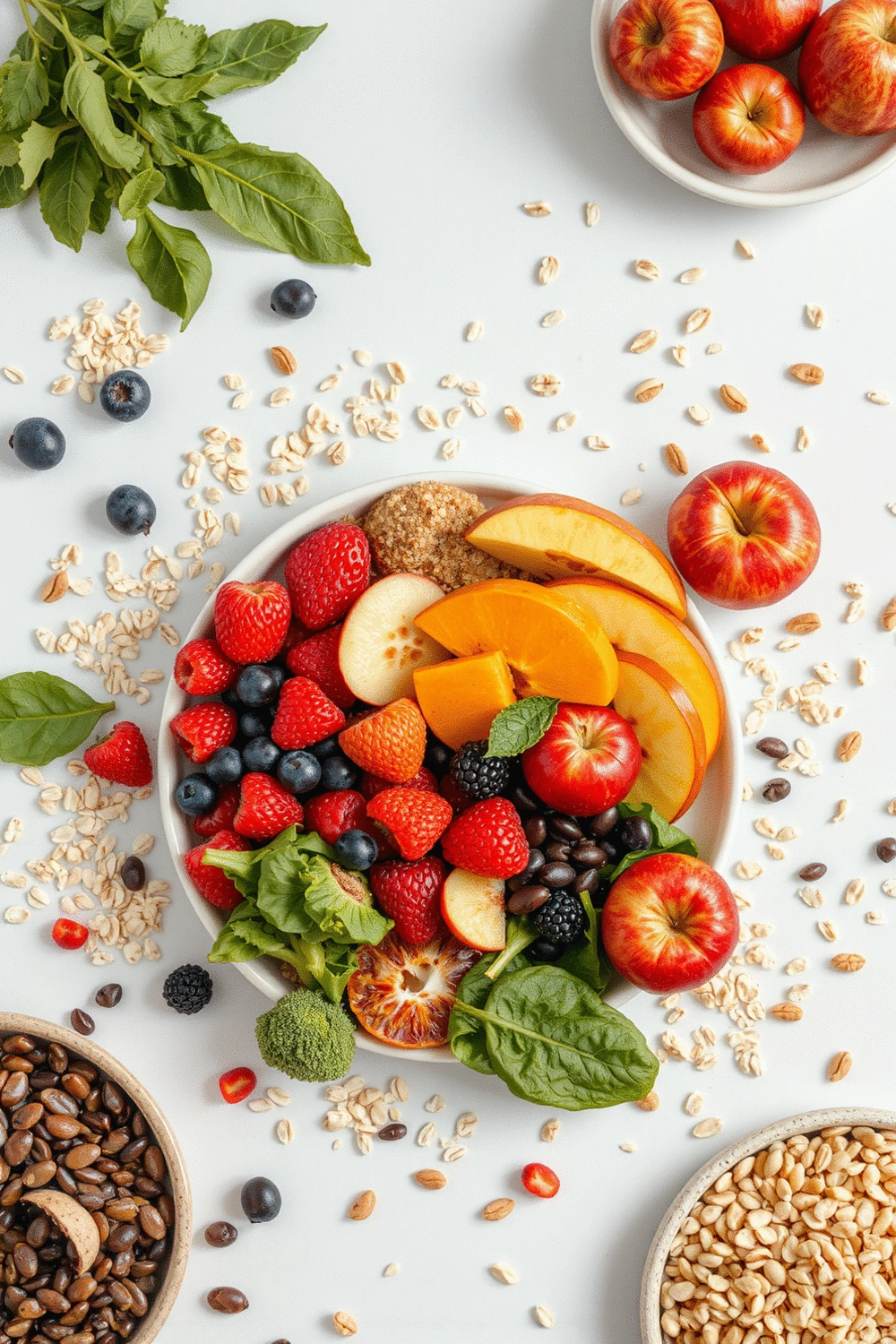
Tracking fiber intake can be simple—just focus on incorporating more fruits, vegetables, whole grains, and legumes into your meals. And remember, making small changes can lead to big results! For practical meal ideas, be sure to explore my tips on creating a balanced diet for fitness success. You might also find useful insights on the future of home fitness trends to integrate a more holistic approach to your health.
Frequently Asked Questions About Fiber for Women
- What are the main benefits of fiber for women's health?Fiber promotes healthy digestion, aids in weight management by increasing satiety, regulates blood sugar levels, and supports hormonal balance, especially during life stages like pregnancy and menopause.
- How much fiber should women consume daily?Women aged 19-50 should aim for about 25 grams daily. For women aged 51 and older, the recommendation is 21 grams, and pregnant women should target 28 grams.
- What are the two types of dietary fiber?Dietary fiber includes soluble and insoluble fiber, both of which are essential for maintaining a healthy body and digestive system.
- How can fiber help with weight management?High-fiber foods are more filling and can help you feel satisfied for longer, which can reduce overall calorie intake and support weight management efforts.
- What are some easy ways to increase fiber intake?Incorporate more fruits, vegetables, whole grains, and legumes into your diet. Start your day with fiber-rich breakfast options like oatmeal, choose whole grain products, and snack on healthy options like nuts.
Summarizing the Essential Role of Fiber in Women's Nutrition
As we wrap up our deep dive into the world of fiber, it’s clear that fiber is a crucial component of a healthy diet for women. Not only does it support digestive health, but it also plays a vital role in weight management, heart health, and even hormonal balance. Understanding how fiber functions in our bodies empowers us to make informed choices for our nutrition. So, let’s take a moment to highlight some key takeaways!
Key Takeaways on Fiber’s Benefits for Women
- Fiber aids in digestion, promoting a healthy gut microbiome.
- It helps manage weight by increasing feelings of fullness.
- Fiber contributes to heart health by reducing cholesterol levels.
- It assists in blood sugar regulation, which is vital for diabetes prevention.
- Different types of fiber, such as soluble and insoluble, support various health goals.
Incorporating fiber into your diet can feel overwhelming, but remember that it’s all about balance! By being mindful of the foods we choose, we can easily include more fiber-rich options in our meals. If you’re looking for ways to boost your nutritional intake, check out my post on top foods to boost your home workouts for some delicious ideas!
Final Recommendations for a Fiber-Rich Diet and Lifestyle
To truly reap the benefits of fiber, aim to incorporate it into every meal. Here are some practical tips to enhance your fiber intake:
- Start your day with a fiber-rich breakfast, such as oatmeal topped with fruits.
- Choose whole grain products over refined grains.
- Add legumes like beans and lentils to salads and soups.
- Snack on fruits, vegetables, or nuts instead of processed snacks.
- Experiment with plant-based recipes that highlight fiber-rich ingredients.
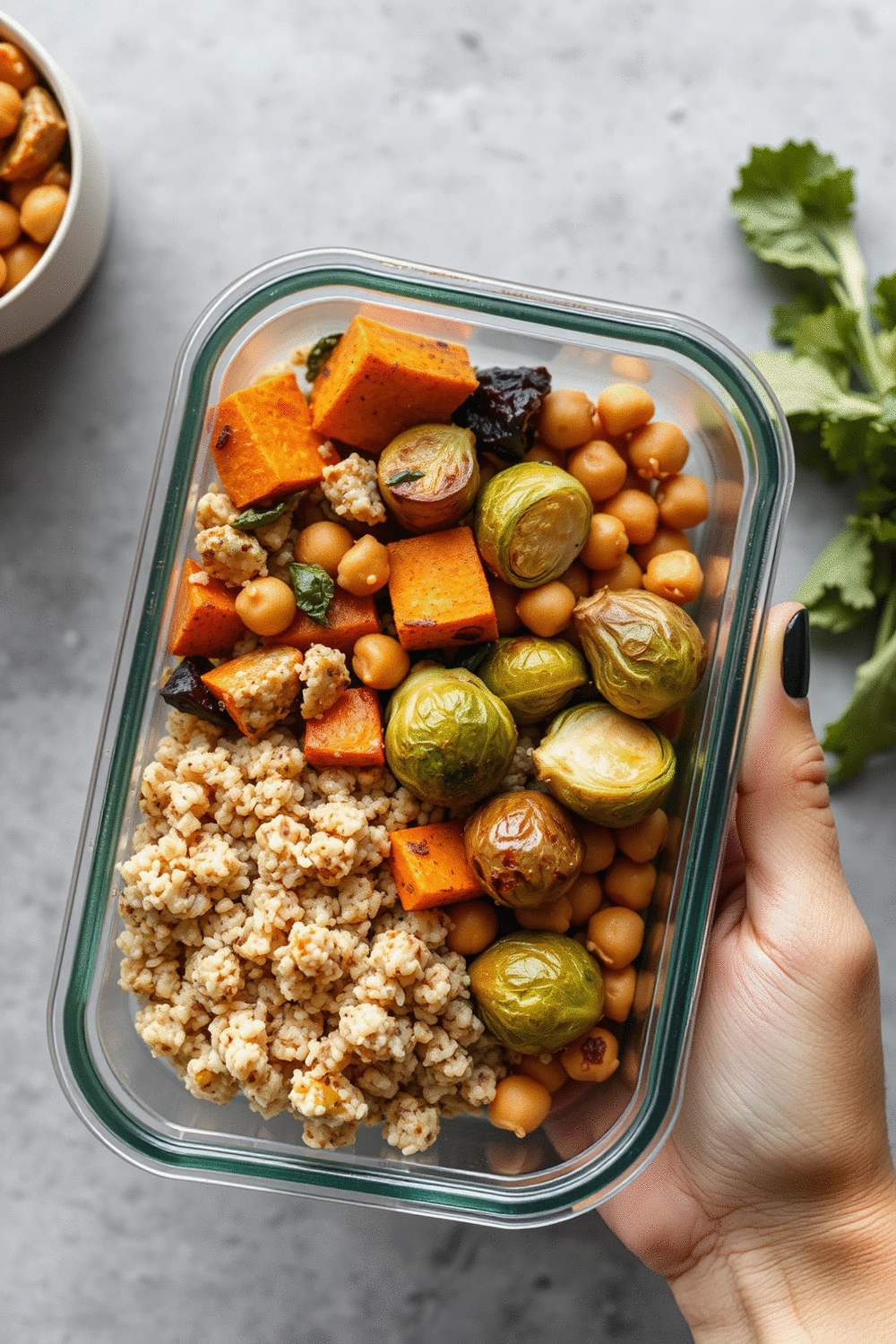
Also, if you’re navigating significant life stages like pregnancy or menopause, remember to adapt your fiber intake to meet your evolving nutritional needs. For specific advice, take a look at my article on nutrition tips for women during pregnancy. It has insights that can guide you through these transformative periods. You might also find this article on top 10 yoga poses for every beginner helpful for complementary physical activity.
Embracing a fiber-rich diet is a step toward a healthier, happier you! With the right food choices, we can support not just our physical health but our overall well-being. Let’s make fiber our friend on this fitness journey!
Recap of Key Points
- Fiber is essential for digestive health and preventing constipation.
- Incorporating fiber aids in weight management by increasing feelings of fullness.
- Different life stages, such as pregnancy and menopause, require tailored fiber intake for women's unique nutritional needs.
- Women should aim for about 25 grams of fiber daily, adjusting based on age and life stage.
- Practical tips for increasing fiber intake include choosing whole grains, adding legumes, and snacking on fruits and vegetables.