
As women, our fitness journeys are uniquely ours, shaped by our bodies and experiences. Balancing macronutrients is not just about nutrition; it's about empowering ourselves to achieve our goals. Let's explore key insights that can elevate your fitness journey!
As an Amazon Associate I earn from qualifying purchases. Affiliate links may earn me a commission at no extra cost to you.
What You Will Learn
- Macronutrients—proteins, carbohydrates, and fats—each play a vital role in supporting fitness goals, from energy production to muscle recovery.
- Understanding your unique nutritional needs as a woman can enhance your fitness plan, especially during different life stages like pregnancy or menopause.
- Meal planning with a focus on whole foods and balanced macronutrient ratio can significantly improve workout performance and recovery.
- Adjustments to diet are essential as life stages change, such as increasing calcium during pregnancy and monitoring iron intake during menstruation.
The Science of Macronutrients in Women's Fitness: An Overview
Understanding the fundamentals of macronutrients is essential for every woman on her fitness journey. Whether you're just starting or have been working out at home for years, knowing how to balance protein, carbohydrates, and fats can significantly enhance your results. At Women Fit Space Daily, we're dedicated to empowering women with the knowledge they need to fuel their bodies effectively!
So, let's dive into the world of macronutrients! These are the building blocks of our nutrition, and they play crucial roles in our overall health. By learning about them, you can tailor your diet to support your fitness goals, from building strength to boosting energy levels.
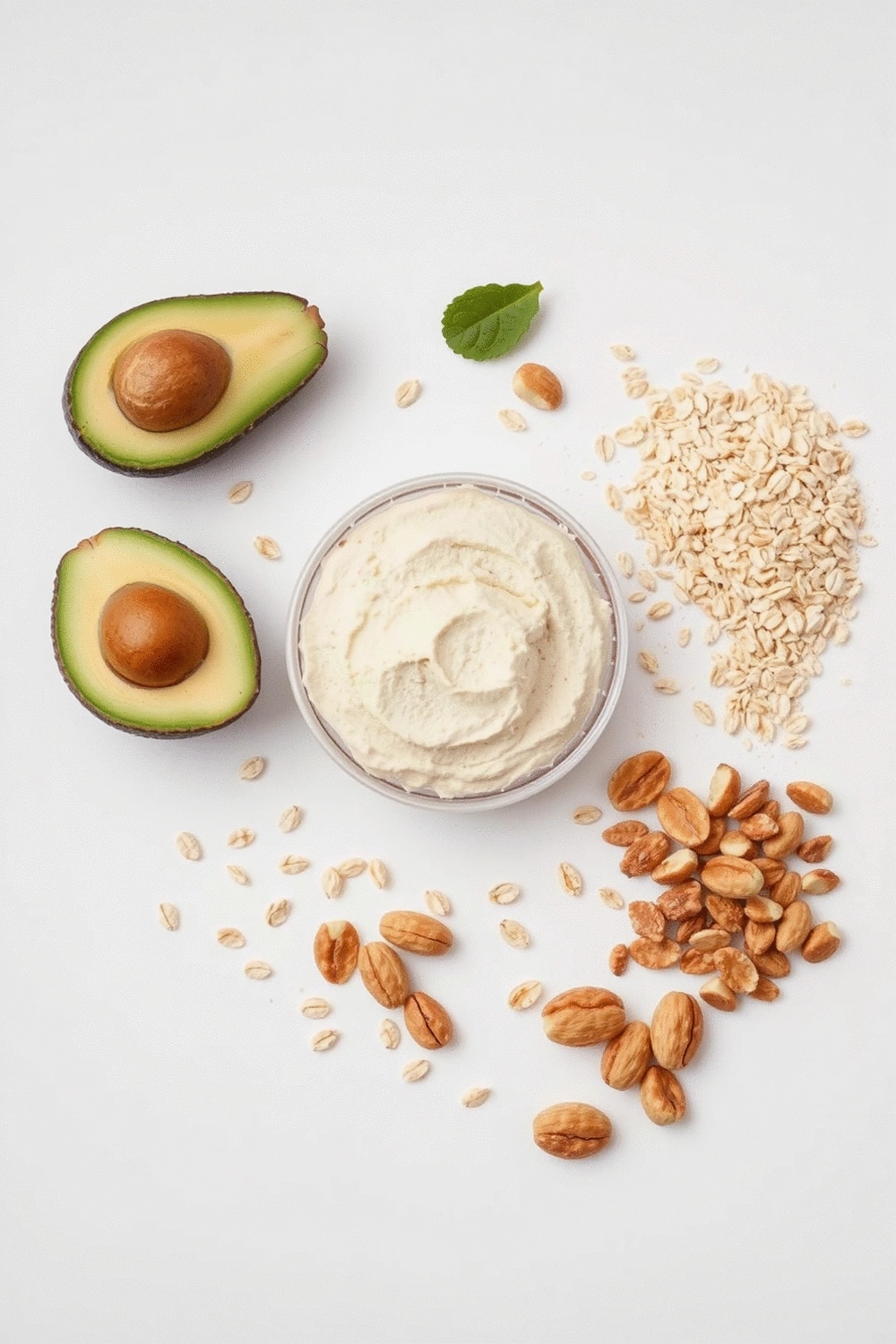
Understanding Macronutrients: Protein, Carbs, and Fats
What Are Macronutrients and Their Roles in Fitness?
Macronutrients consist of three primary components: proteins, carbohydrates, and fats. Each of these plays a unique role in our fitness routines. For instance, protein is vital for muscle repair and growth, while carbohydrates are our main source of energy during workouts. Fats, on the other hand, help with nutrient absorption and provide sustained energy.
- Proteins: Essential for muscle recovery and development.
- Carbohydrates: Primary energy source, especially during high-intensity workouts.
- Fats: Important for overall health and hormone production.
Understanding these roles helps you create a balanced approach to your nutrition. If you're looking for more detailed guidance, check out our post on how to create a balanced diet for fitness success.
How Macronutrients Provide Energy and Support Recovery
Each macronutrient contributes to our energy levels and recovery processes. Carbs are particularly crucial before workouts, as they can provide the necessary fuel to power through your routine. After exercising, proteins become essential for repairing muscle tissue, which is vital for muscle growth and recovery.
Additionally, fats should not be overlooked! They play a significant role in hormone regulation and energy balance. A well-rounded intake of all three macronutrients can not only enhance your workout performance but also improve recovery times, helping you stay consistent and motivated!
Women’s Unique Nutritional Requirements
Metabolic Differences: Women's Needs vs. Men's
Women often have unique nutritional needs compared to men, largely due to differences in metabolism and hormonal balance. For instance, during different life stages like pregnancy or menopause, women's energy and nutrient requirements can change significantly. This is why it's crucial for us to pay attention to how our bodies respond to various foods.
- Women may require more iron, especially during their menstrual cycle.
- Calcium intake becomes more critical for bone health as women age.
- Tailoring macronutrient ratios can help address specific life stage needs.
By understanding these differences, you can create a nutrition plan that supports your body’s unique needs. For more insights, you can read our article on nutrition for women over 40.
The Importance of Macronutrients for Female Athletes
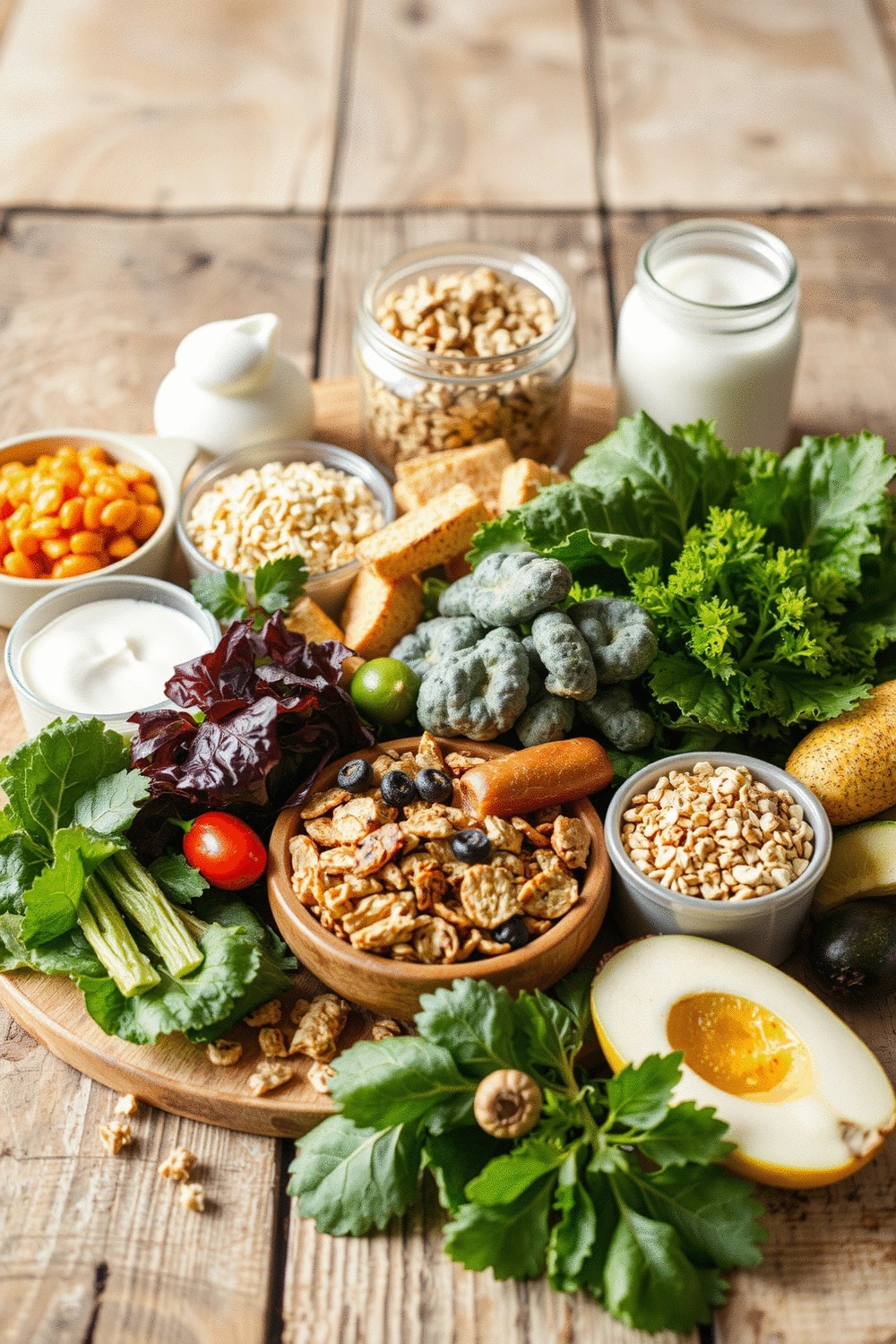
For female athletes, the importance of macronutrients cannot be overstated. Whether you're engaging in strength training, endurance sports, or high-intensity interval training (HIIT), your body needs the right balance of proteins, carbohydrates, and fats to perform optimally.
This balance ensures that you have the energy to power through workouts while also supporting recovery and muscle growth. Remember, it's not just about what you eat, but also when you eat it, as timing can significantly impact your performance and recovery!
How Hormonal Balance Influences Nutritional Needs
Hormonal fluctuations throughout a woman's life can impact her nutritional needs. For example, hormonal changes during the menstrual cycle can influence cravings and energy levels. Understanding these shifts can help you adjust your macronutrient intake accordingly, ensuring you stay energized and focused.
By acknowledging these factors, you're better equipped to manage your diet and workouts throughout different life phases. Embrace your body’s changes and let them guide your nutritional choices!
Applying the Science of Macronutrients to Your Fitness Journey
When it comes to making the most of your fitness journey, understanding how to apply macronutrient science is key! It’s not just about hitting the gym; it’s about fueling your body correctly to maximize those workouts. Let’s dive into some practical tips for tailoring your nutrition to fit your unique needs.
Practical Tips for Tailoring Your Nutrition
One of the best ways to ensure you’re getting the right balance of macronutrients is through meal planning. You don’t have to be a culinary expert to create healthy meals that support your fitness goals. I recommend starting with easy-to-follow meal plans that break down your daily macronutrient needs.
- Focus on whole foods: Include plenty of fruits, vegetables, whole grains, and lean proteins.
- Incorporate healthy fats: Avocados, nuts, and olive oil can help balance your meals.
- Stay hydrated: Don’t forget to drink enough water, as hydration is crucial for optimal performance!
Meal planning can also help with weight management. It takes the guesswork out of what to eat and can prevent those last-minute unhealthy choices. If you're looking for a guide to creating a balanced diet, check out my post on How to Create a Balanced Diet for Fitness Success. For more information on women's exercise equipment, visit fitness.fitspacedaily.com.
Sample Meal Plans with Macro Breakdown
Here’s a simple sample meal plan to illustrate how you can break down your macronutrients:
- Breakfast: Oatmeal topped with berries and a scoop of protein powder
- Lunch: Grilled chicken salad with mixed greens, nuts, and vinaigrette
- Dinner: Baked salmon, quinoa, and steamed broccoli
- Snacks: Greek yogurt with honey and almonds
This plan offers a nice balance of proteins, carbs, and healthy fats while keeping your meals enjoyable! Tailoring your nutrition doesn’t have to be tedious. For more ideas, check out my post on Top Foods to Boost Your Home Workouts.
Effective Meal Planning for Weight Management
As life stages change, so do our nutritional needs. It’s important to listen to your body and adjust your meals accordingly. Here are a few tips:
- Track your macros: Use an app or journal to monitor your intake and make adjustments as needed.
- Focus on nutrient-dense foods: Opt for foods that provide a high amount of nutrients without excessive calories.
- Plan for social events: Prepare healthier versions of your favorite dishes for gatherings.
Adapting your diet is essential for maintaining energy levels and supporting your fitness goals. Remember, every woman’s journey is unique—embrace what works for you! You can also find tips on creating a comfortable yoga space at yoga.fitspacedaily.com.
How to Adjust Your Diet as Life Stages Change
It’s crucial to recognize that our nutritional needs can shift dramatically through various life stages, whether it's pregnancy, postpartum, or entering your 40s. Consider these adjustments:
- Increase calcium and vitamin D during pregnancy and lactation.
- Focus on iron-rich foods if you're experiencing heavy menstrual cycles.
- Pay attention to protein intake as you age to support muscle mass.
Being aware of these shifts can help you maintain a balanced and effective diet. For additional information on nutritional adjustments for women over 40, check out my article on Unlock Vibrant Health: Nutrition for Women Over 40.

FAQs about Macronutrients and Women's Fitness
What are the three main macronutrients and their roles?
The three main macronutrients are proteins, carbohydrates, and fats. Proteins are crucial for muscle repair and growth. Carbohydrates are the primary energy source for workouts. Fats are important for overall health, hormone production, and sustained energy.
Why are women's nutritional needs different from men's?
Women have unique nutritional needs due to differences in metabolism and hormonal balance, which can fluctuate during life stages like menstruation, pregnancy, and menopause. These changes can affect energy and nutrient requirements, such as increased needs for iron and calcium.
How can meal planning help with fitness goals?
Meal planning helps ensure a balanced intake of macronutrients by focusing on whole foods. This supports workout performance, aids in muscle recovery, and can assist with weight management by preventing unhealthy food choices and taking the guesswork out of daily nutrition.
What adjustments should be made to a woman's diet during different life stages?
During life stages like pregnancy and lactation, women should increase calcium and vitamin D intake. For heavy menstrual cycles, focusing on iron-rich foods is important. As women age, paying attention to protein intake helps maintain muscle mass. Adjusting diet according to hormonal shifts is also beneficial.
Is hydration considered a macronutrient?
No, hydration is not a macronutrient, but it is crucial for optimal performance and recovery. While macronutrients provide energy and building blocks, water is essential for nearly all bodily functions, including nutrient transport and temperature regulation.
Concluding Thoughts on Macronutrients and Women’s Fitness
As we wrap up our discussion on macronutrients, remember that knowledge is power! Understanding how to fuel your body effectively can make a significant difference in your fitness journey. Each woman’s needs are unique, so embrace the journey of finding what works best for you!
Summary of Key Takeaways
Ultimately, prioritizing your nutritional education is vital. Learning about macronutrients will empower you to make informed choices that align with your fitness goals. Let's celebrate every step you take towards a healthier, stronger you!
Encouragement to Prioritize Nutritional Education and Personalization
I encourage you to invest time in understanding your body and its needs. Nutrition isn’t just about restriction; it’s about nourishing yourself and enjoying the process. Let’s strive to make our fitness journeys not only effective but also enjoyable!
Recap of Key Points
Here is a quick recap of the important points discussed in the article:
- Macronutrients: Understand the roles of proteins, carbohydrates, and fats for optimal fitness results.
- Women's Unique Needs: Recognize that women have different nutritional requirements compared to men, especially during life stages like pregnancy and menopause.
- Meal Planning: Focus on whole foods and create balanced meal plans to meet your macronutrient needs effectively.
- Hydration: Maintain hydration as it's crucial for performance and recovery.
- Adaptation: Adjust your diet as life stages change to support your evolving nutritional needs.