

Have you ever considered how your food choices might be the missing piece in your strength training routine? Nutrition is not just an afterthought; it's an essential part of building a robust lower body. Let's explore how the right foods can elevate your performance and recovery!
As an Amazon Associate I earn from qualifying purchases. Affiliate links may earn me a commission at no extra cost to you.
What You Will Learn
- Nutrition is vital for muscle recovery and reducing soreness after workouts.
- Key nutrients for lower body strength include protein, carbohydrates, healthy fats, and essential vitamins and minerals.
- Effective meal planning around your workouts can significantly enhance energy levels and performance.
- Incorporating foods that support joint health, such as omega-3 fatty acids and collagen-rich items, is crucial for overall fitness.
Understanding Nutrition for Lower Body Strength Training
When we talk about strength training, especially for our lower body, nutrition plays a crucial role. The food choices we make can significantly impact muscle development and recovery. It’s all about fueling our bodies with the right ingredients to empower our workouts, whether you're tackling squats or lunges! Remember, every bite counts in this journey, and I’m here to help you navigate it.
As a fitness advocate, I've learned that understanding nutrition is just as essential as the exercises we do. If we want to build and maintain strong muscles, we need to focus not just on the workout routines but also on what we’re putting on our plates. This section will dive into the importance of nutrition in lower body strength training and how to optimize your food choices for better performance.
Why Food Choices Matter for Muscle Development
The connection between our food choices and muscle development can’t be overstated. When we eat well, we provide our bodies with the necessary building blocks to repair and grow stronger. This is especially important for women like you who may be managing various life stages and fitness goals.
- Nutrition aids in muscle recovery, reducing soreness after workouts.
- The right foods support energy levels, allowing for more effective workouts.
- Balanced meals can enhance overall health, making it easier to stay on track with your fitness journey.
Think of your body as a car. Just as a car needs the right fuel to run efficiently, your muscles need quality nutrition to thrive. I always encourage women to consider how their meals can align with their fitness goals! For more tips on how to create a balanced diet tailored to your fitness journey, check out my post on creating a balanced diet for fitness success.
Key Nutrients for Lower Body Strength and Performance
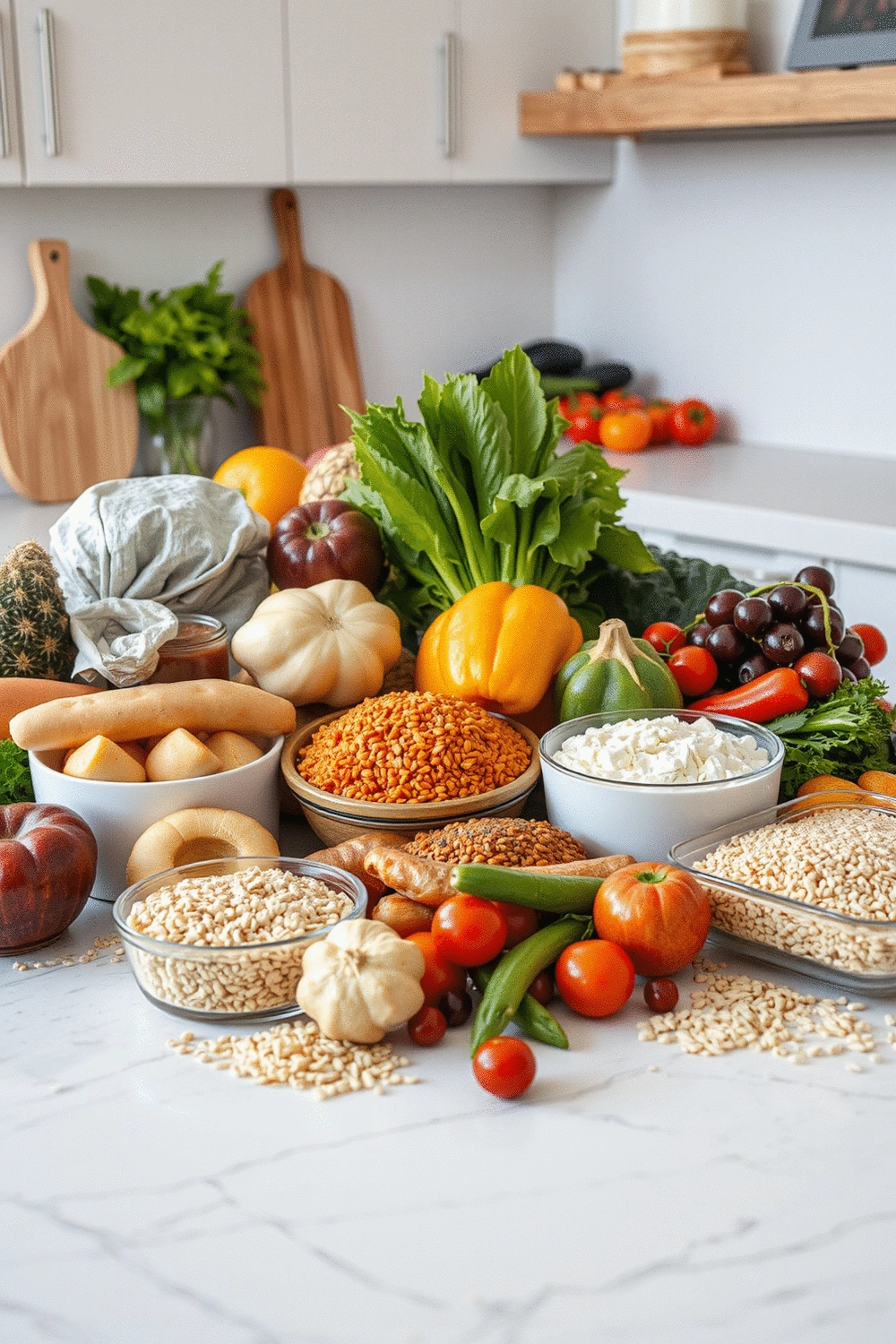
To effectively build lower body strength, it’s essential to focus on a few key nutrients. These nutrients not only help in muscle growth but also enhance your performance during workouts.
- Protein: Fundamental for muscle repair and growth.
- Carbohydrates: Provide the energy needed for intense workouts.
- Healthy Fats: Support overall health and hormone production.
- Vitamins and Minerals: Crucial for optimal bodily functions and recovery.
By incorporating these nutrients into your meals, you set yourself up for success. Don’t forget to explore some top foods to boost your home workouts that can help you on your fitness journey! Remember, nourishing your body is a powerful step toward achieving your goals.
Practical Tips for Meal Planning Around Lower Body Training
As we embark on our fitness journeys, planning our meals effectively can make all the difference. It’s not just about what we eat but also when we eat it. That’s why I love to share sample meal plans tailored for strength athletes looking to build their lower body strength!
Sample Meal Plans for Strength Athletes
Creating a meal plan that meets your energy and nutrient needs is essential for fueling your workouts. Here are some ideas for breakfast, lunch, and dinner that support muscle growth:
- Breakfast: Oatmeal topped with berries and a scoop of protein powder.
- Lunch: Quinoa salad with grilled chicken, mixed greens, and a drizzle of olive oil.
- Dinner: Baked salmon with sweet potatoes and steamed broccoli.

Don’t forget about snacks throughout your day! They play a significant role in keeping your energy levels steady. Here are some quick and nutritious snack ideas:
Snacks and Smoothies for On-the-Go Nutrition
- Smoothie: Spinach, banana, almond milk, and a scoop of protein powder.
- Greek yogurt: Topped with honey and nuts for a quick protein fix.
- Hummus: Paired with carrot sticks or whole-grain crackers.
These meal and snack ideas provide the balanced nutrition needed for effective training sessions and recovery! For more insights into how different foods impact your energy levels during workouts, check out this article on the science behind effective exercise equipment design for better workouts. Alternatively, learn more about how to choose the right gear to support your fitness journey by exploring must-have gear for your home yoga studio.
Integrating Joint Health into Your Nutrition Plan
When we focus on building strength, we must also consider our joint health. After all, caring for our bodies means nurturing every part of them. Let's explore some foods that support joint health during training!
Foods that Support Joint Health During Training
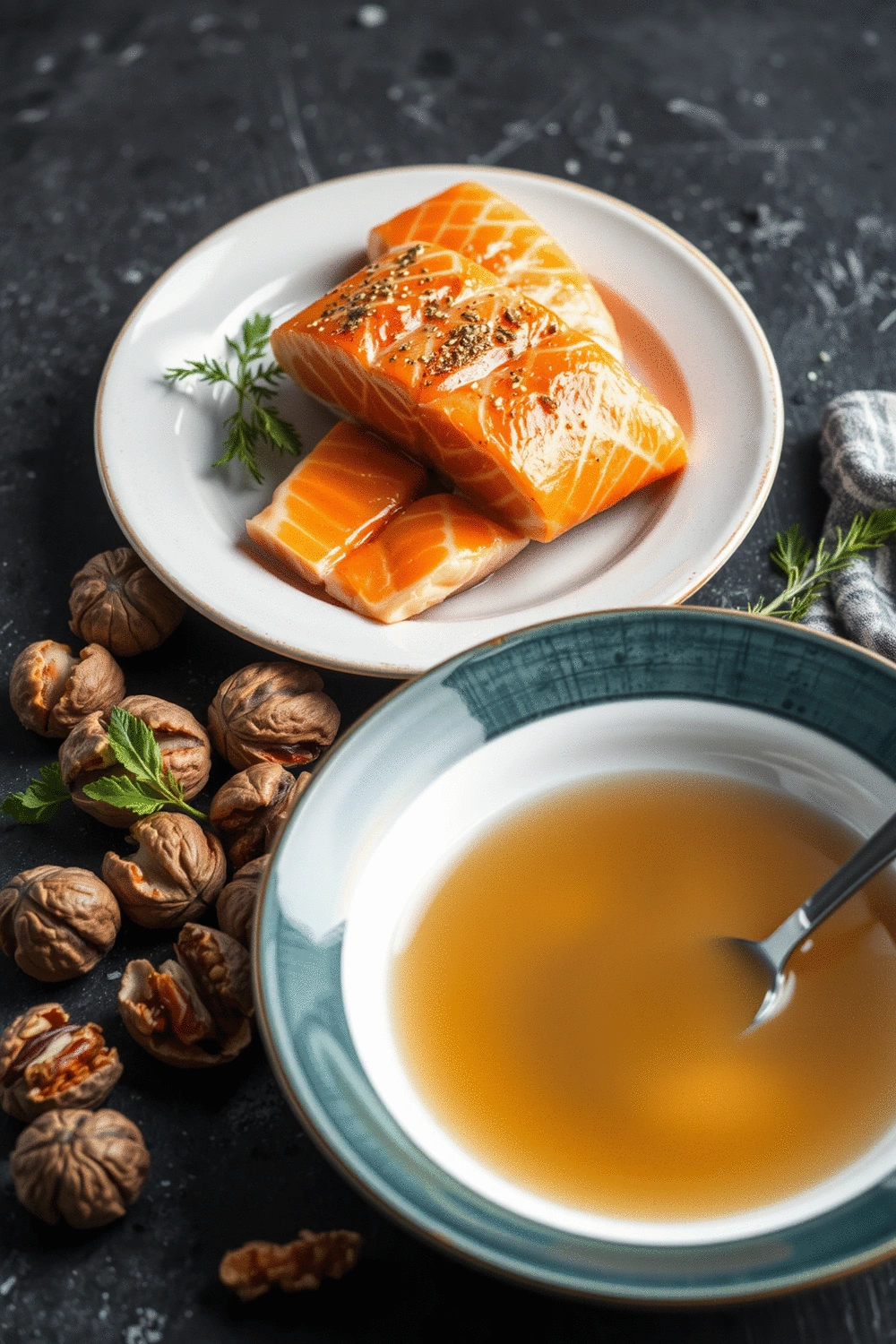
- Incorporating Omega-3 Fatty Acids: These healthy fats are known to reduce inflammation and can be found in sources like salmon and walnuts.
- Collagen-Rich Foods: Bone broth, chicken skin, and certain fish provide collagen, which promotes joint resilience.
- Almonds and Walnuts: These nuts are packed with healthy fats and nutrients that can support joint care.
Making a few adjustments to your nutrition can significantly impact your overall performance. For detailed insights on how to fuel your workouts, check out my post on top foods to boost your home workouts!
Conclusion: Building a Stronger Lower Body Through Nutrition
As we wrap up this section, remember that the right nutrition can work wonders for your fitness journey. Focus on incorporating a variety of foods that support both muscle growth and joint health. With dedication, you can build a stronger lower body while feeling your best!
For more tips on creating a balanced meal plan, hop over to my article on meal planning for fitness. Let’s nourish our bodies the right way!
Recap of Key Points
Here is a quick recap of the important points discussed in the article:
- Nutrition is essential for muscle recovery and development, especially for lower body strength training.
- Key nutrients like protein, carbohydrates, healthy fats, vitamins, and minerals greatly enhance workout performance.
- Meal planning should include balanced options for breakfast, lunch, dinner, and snacks to fuel workouts effectively.
- Joint health can be supported through nutrition, including Omega-3 fatty acids and collagen-rich foods.
- A variety of food choices aligned with fitness goals can lead to a stronger lower body and improved overall health.
Frequently Asked Questions About Nutrition for Lower Body Strength
Q: Why is nutrition so important for lower body strength training?
A: Nutrition provides the essential building blocks for muscle repair and growth, fuels intense workouts, and aids in recovery, reducing soreness and improving overall performance.
Q: What are the key nutrients for building lower body strength?
A: The most important nutrients include protein for muscle repair, carbohydrates for energy, healthy fats for overall health and hormone production, and various vitamins and minerals for optimal bodily functions and recovery.
Q: Can you give examples of a balanced meal plan for strength athletes?
A: A balanced meal plan could include oatmeal with berries and protein powder for breakfast, quinoa salad with grilled chicken for lunch, and baked salmon with sweet potatoes and broccoli for dinner. Snacks like smoothies or Greek yogurt with nuts are also beneficial.
Q: How can I support my joint health through nutrition during strength training?
A: Incorporate foods rich in Omega-3 fatty acids (like salmon and walnuts) to reduce inflammation, and collagen-rich foods (like bone broth or chicken skin) to promote joint resilience. Almonds and walnuts also provide beneficial nutrients for joint care.
Q: Are snacks important for lower body strength training?
A: Yes, snacks are crucial for maintaining steady energy levels throughout the day, supporting your training sessions, and aiding in recovery. Nutritious options include smoothies, Greek yogurt, or hummus with vegetables.