
What if your diet could enhance your well-being during your menstrual cycle? Understanding the connection between nutrition and menstrual health can empower you to make choices that improve your overall experience. Let’s explore how you can harness this knowledge!
As an Amazon Associate I earn from qualifying purchases. Affiliate links may earn me a commission at no extra cost to you.
What You Will Learn
- The importance of nutrition in maintaining hormonal balance and reducing menstrual symptoms.
- Specific food choices to alleviate cramps, bloating, and mood swings throughout your cycle.
- Key nutrients such as iron, magnesium, and B vitamins that support energy levels and mood.
- Cycle-specific nutritional needs to help you feel balanced and vibrant during each phase.
Understanding the Connection Between Nutrition and Menstrual Cycle Health
Hey there, ladies! Let’s dive into a topic we all experience but don’t always discuss: menstrual cycle health. Understanding what’s happening in our bodies during this time is crucial. It’s not just about physical symptoms; it’s about how we can support our well-being through nutrition. The right food choices can enhance our overall health and make those monthly challenges a bit easier to handle!
So, what exactly is menstrual cycle health? It refers to the physical, emotional, and hormonal changes women undergo throughout their cycles. Proper nutrition plays a vital role in maintaining balance, reducing discomfort, and supporting our bodies during each phase. When we fuel ourselves with the right nutrients, we can significantly improve our experience.
What is Menstrual Cycle Health and Why is Nutrition Important?
Menstrual cycle health encompasses everything from the hormonal fluctuations we experience to our emotional well-being. It’s essential to understand that nutrition directly impacts these aspects. For example, certain foods can help alleviate symptoms like bloating or mood swings. By nourishing our bodies, we can feel more energized and balanced.
- Enhances hormonal balance
- Reduces symptoms like cramps and bloating
- Boosts mood and energy levels
At Women Fit Space Daily, we believe that every woman deserves to feel her best during her cycle. That’s why incorporating nutrition into our fitness journey is a game-changer! If you want to explore more about nutrition, check out our post on the role of fiber in women’s nutrition for additional insights.
How Nutrition Influences Hormonal Balance and Menstrual Symptoms
The foods we eat can influence our hormones in profound ways. For example, incorporating healthy fats, like avocados and nuts, can support hormone production and reduce symptoms of PMS. This means that what’s on our plate truly matters! Think of it as fueling your body to handle those ups and downs with grace.
- Complex carbohydrates for stable energy
- Lean proteins for muscle recovery
- Healthy fats for hormonal balance
Understanding these connections allows us to make better choices that align with our body’s needs. If you’re curious about how to create a balanced diet, our guide on creating a balanced diet for fitness success could be a great start!
The Role of Micronutrients and Macros in Menstrual Health
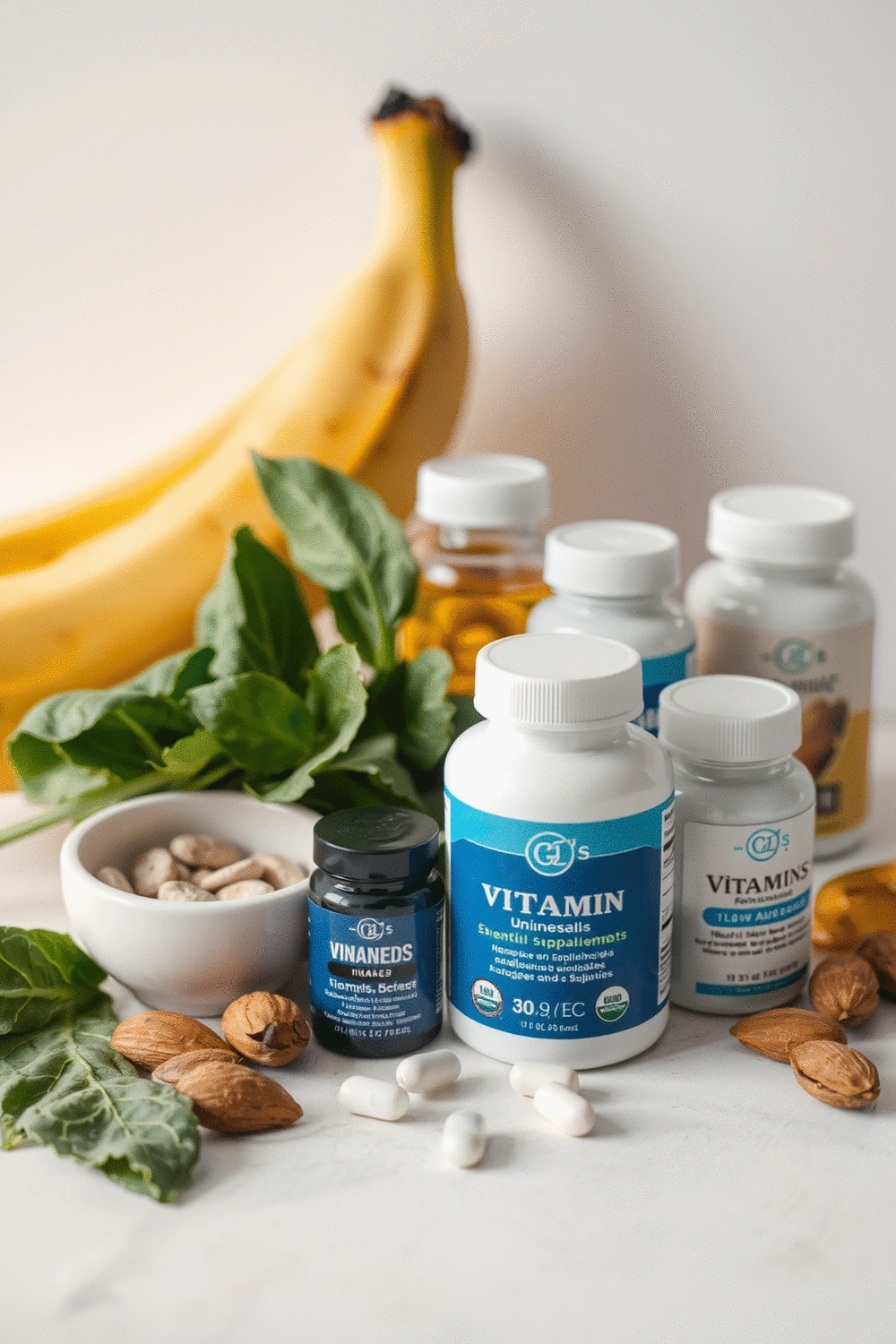
Micronutrients and macronutrients play distinct yet interconnected roles in our menstrual health. Micronutrients like iron, magnesium, and B vitamins are essential for alleviating fatigue and improving mood. On the other hand, macronutrients—carbs, proteins, and fats—are critical for energy levels and overall well-being. Balancing these nutrients can help us feel our best throughout the entirety of our cycle.
- Iron: Vital for combating fatigue, especially during menstruation
- Magnesium: Helps reduce cramps and improve mood
- B Vitamins: Important for energy production
Remember, it’s all about creating harmony within our bodies. By fueling ourselves with the right mix of these nutrients, we can support our menstrual cycle health effectively. So, let's take charge of our nutrition and embrace a holistic approach to our well-being!
Nutritional Needs Throughout the Menstrual Cycle
Understanding our nutritional needs during different phases of the menstrual cycle can truly empower us as women. Each phase presents unique hormonal changes that can influence our energy levels, cravings, and overall well-being. By tailoring our diets accordingly, we can feel more balanced and vibrant throughout the month!
Let’s dive into the specific nutritional requirements for the follicular, luteal, and menstrual phases, along with some food choices that can support each stage. It's all about making informed decisions that can elevate our wellness journey.
Cycle-Specific Nutritional Requirements and Food Choices
Each phase of the menstrual cycle has its own set of nutritional needs. Here's a quick look at how we can optimize our diets:
- Follicular Phase: Focus on foods rich in protein and healthy fats to support energy and hormonal balance.
- Luteal Phase: Include iron-rich foods and anti-inflammatory options to combat fatigue and bloating.
- Menstrual Phase: Emphasize foods that aid recovery, such as fruits and veggies high in antioxidants.
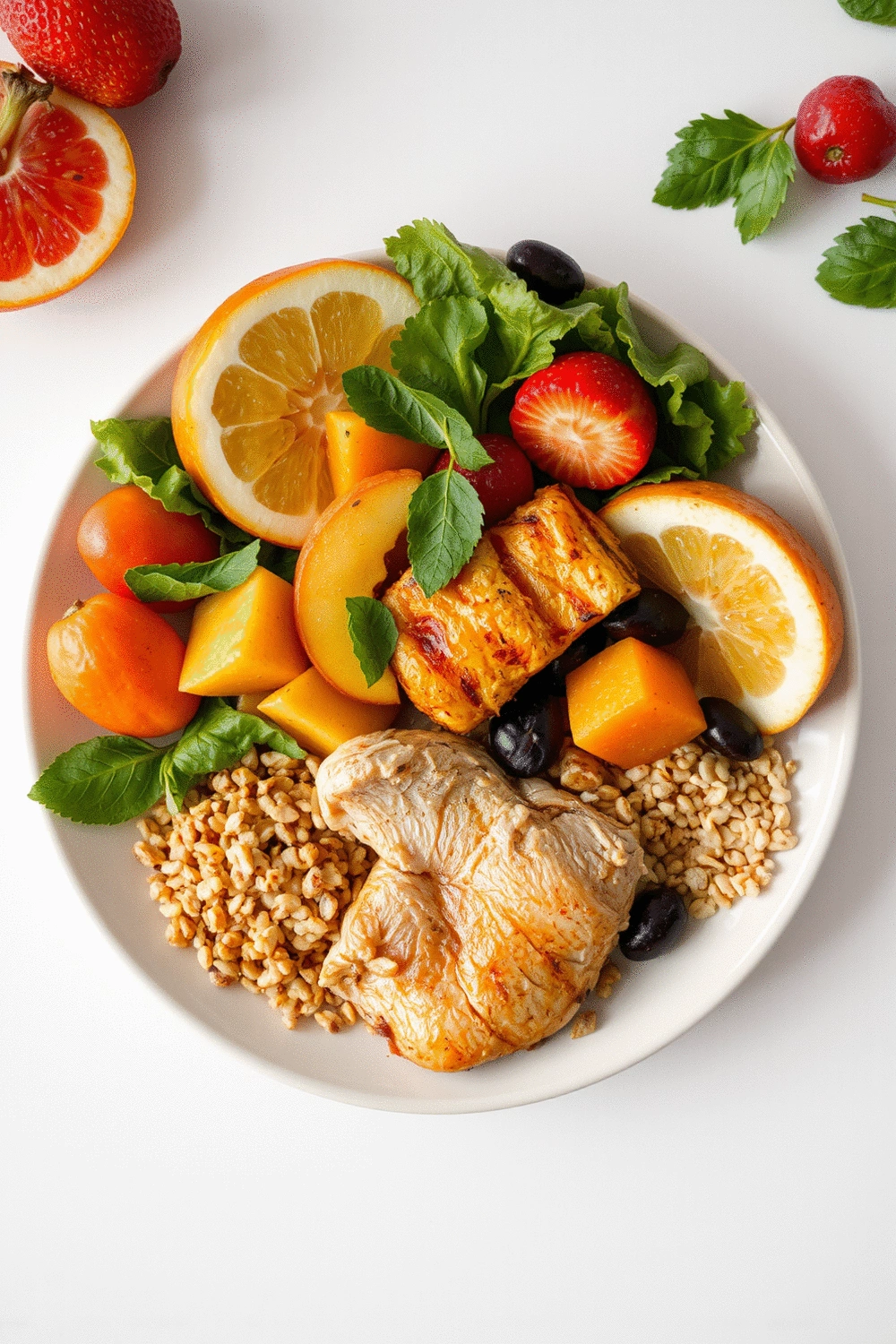
By recognizing the specific needs of our bodies, we can embrace each phase with confidence. For example, during the luteal phase, I like to incorporate iron-rich foods like lentils and spinach to help manage energy levels. It’s amazing how small adjustments can make a big difference!
For more insights into creating a balanced and effective fitness routine, check out our article on setting up a home gym.
Follicular Phase: Key Nutrients for Energy and Hormonal Regulation
In the follicular phase, our body is preparing for ovulation, making it essential to fuel ourselves with nutrients that support energy and hormonal regulation. Incorporating foods rich in B vitamins and fiber can help. Great options include:
- Quinoa
- Leafy greens
- Avocados
- Protein sources like chicken and fish
These choices not only energize us but also promote mood stability, which is crucial during this time.
Luteal Phase: Importance of Iron and Anti-Inflammatory Foods
As we transition into the luteal phase, it’s important to focus on iron-rich foods to replenish what our bodies need. Adding anti-inflammatory options can also help ease discomfort. Some go-to foods are:
- Red meat and dark poultry
- Chickpeas
- Turmeric and ginger for seasoning
These ingredients can help combat fatigue and support your body’s natural processes. Remember to listen to what your body craves, as these signals can guide you toward the right choices!
Menstrual Phase: Foods that Support Recovery and Reduce Symptoms
During our menstrual phase, recovery is key. Focus on foods that support healing and alleviate symptoms, such as:
- Bananas and other potassium-rich fruits
- Dark chocolate for magnesium
- Warm soups with seasonal veggies
These foods can help alleviate cramps and improve overall comfort. I also find that sipping on ginger tea can be a soothing ritual during this time.
Incorporating Omega-3 Fatty Acids and Antioxidants for Cycle Health
Lastly, let’s not forget about the power of omega-3 fatty acids and antioxidants! Foods like:
- Salmon
- Walnuts
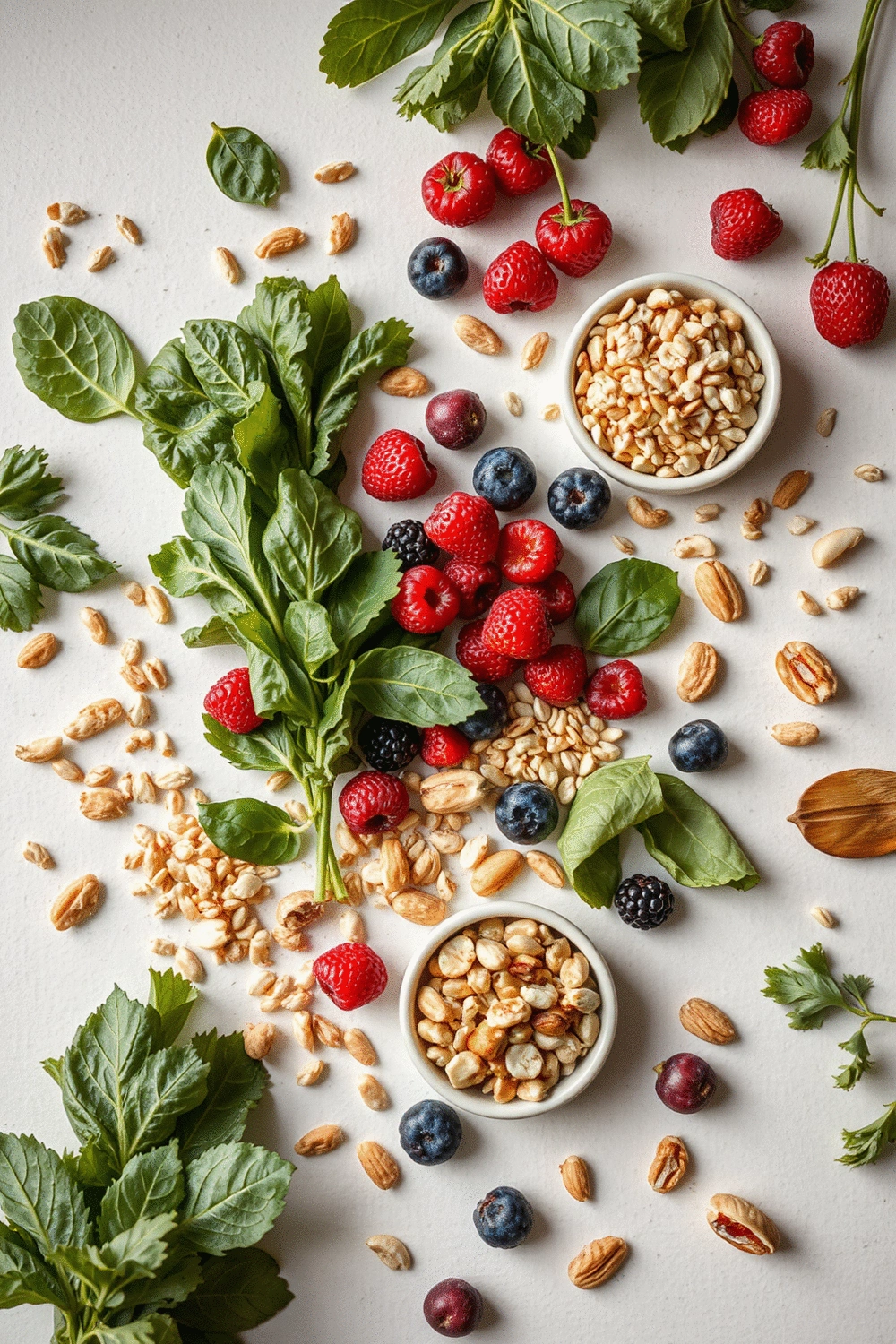
- Berries
are fantastic for reducing inflammation and supporting hormonal balance. These can be wonderful additions to our meals, especially during any phase of the cycle. If you want to explore more about how to maintain a balanced diet, check out my post on creating a balanced diet for more insights!
For those looking to deepen their mind-body connection, you might find our resources on choosing the perfect yoga mat to be beneficial.
Recap of Key Points
Here is a quick recap of the important points discussed in the article:
- Menstrual cycle health is interconnected with nutrition, affecting physical, emotional, and hormonal well-being.
- Incorporating healthy fats, complex carbohydrates, and lean proteins can significantly alleviate menstrual symptoms and enhance energy levels.
- Micronutrients like iron, magnesium, and B vitamins are essential for combating fatigue and supporting mood throughout the menstrual cycle.
- Tailoring your diet to the different phases of the menstrual cycle can empower women to feel more balanced and vibrant.
- Foods rich in omega-3 fatty acids and antioxidants are beneficial for reducing inflammation and maintaining hormonal balance.
Frequently Asked Questions About Nutrition and Menstrual Health
Q1: How does nutrition impact menstrual cycle health?
Nutrition significantly influences menstrual cycle health by affecting hormonal balance, energy levels, and the severity of symptoms like cramps, bloating, and mood swings. A balanced diet can help reduce discomfort and support overall well-being throughout the cycle.
Q2: What specific nutrients are most important for menstrual health?
Key nutrients for menstrual health include iron (to combat fatigue, especially during menstruation), magnesium (to help reduce cramps and improve mood), and B vitamins (important for energy production and emotional stability). Healthy fats, complex carbohydrates, and lean proteins are also crucial for overall balance.
Q3: Should I change my diet based on the phase of my menstrual cycle?
Yes, tailoring your diet to different phases of your menstrual cycle can be highly beneficial. For example, focusing on protein and healthy fats during the follicular phase, iron-rich and anti-inflammatory foods during the luteal phase, and foods that support recovery and reduce symptoms during the menstrual phase can help you feel more balanced and vibrant.
Q4: What foods can help alleviate common menstrual symptoms like cramps and bloating?
Foods rich in omega-3 fatty acids (like salmon and walnuts) and antioxidants (like berries) can reduce inflammation and support hormonal balance, thereby alleviating cramps and bloating. Potassium-rich fruits like bananas, dark chocolate for magnesium, and warm, vegetable-rich soups can also provide comfort and relief during the menstrual phase.
Q5: Where can I find more information on creating a balanced diet for my fitness journey?
You can find more insights on creating a balanced diet for fitness success by checking out our guide on creating a balanced diet for fitness success.