
Have you considered how protein could be the game-changer in your strength training routine? For many women, understanding the role of protein is crucial in achieving fitness goals and enhancing overall well-being.
As an Amazon Associate I earn from qualifying purchases. Affiliate links may earn me a commission at no extra cost to you.
What You Will Learn
- Protein is vital for muscle protein synthesis, enabling effective muscle repair and growth after workouts.
- Adequate protein intake post-resistance training reduces muscle soreness and enhances recovery time.
- The quality of protein matters; prioritize high-quality sources like lean meats, fish, and plant-based options.
- Recommended protein intake for active women is typically 1.2 to 2.0 grams per kilogram of body weight, varying by activity level and age.
- Incorporating protein-rich snacks and planning meals around workouts can significantly improve energy levels and workout consistency.
Understanding the Importance of Protein for Women's Strength Training
Have you ever wondered why protein is often hailed as a vital nutrient for women engaging in strength training? It’s not just a nutrition buzzword—protein plays a crucial role in muscle growth and recovery, especially for those of us striving to feel strong and confident in our fitness journeys. At Women Fit Space Daily, we know that understanding protein can empower you to optimize your workouts and achieve your goals!
Many women, whether you're just starting out or are a seasoned fitness enthusiast, may overlook the significance of protein in their diet. But trust me, incorporating the right amount can lead to transformative results in your strength training routine!
Why Women Need Protein for Muscle Growth and Recovery
Let’s break down the basics of why protein is essential for us ladies. When we engage in strength training, our muscles undergo stress and tiny tears. This is a natural part of making them stronger, but it requires adequate protein to rebuild and recover efficiently. Here’s how:
- Muscle Protein Synthesis (MPS): Protein intake stimulates MPS, which is essential for muscle repair and growth.
- Recovery Support: Proper protein consumption post-workout helps reduce muscle soreness and enhances recovery time.
- Overall Performance: Sufficient protein contributes to better strength gains and improves workout performance over time.
Understanding these aspects allows you to tailor your diet effectively! Remember, fueling your body with protein isn't merely about muscle gain; it's about feeling empowered and ready to take on your day.
The Role of Protein in Muscle Protein Synthesis (MPS)
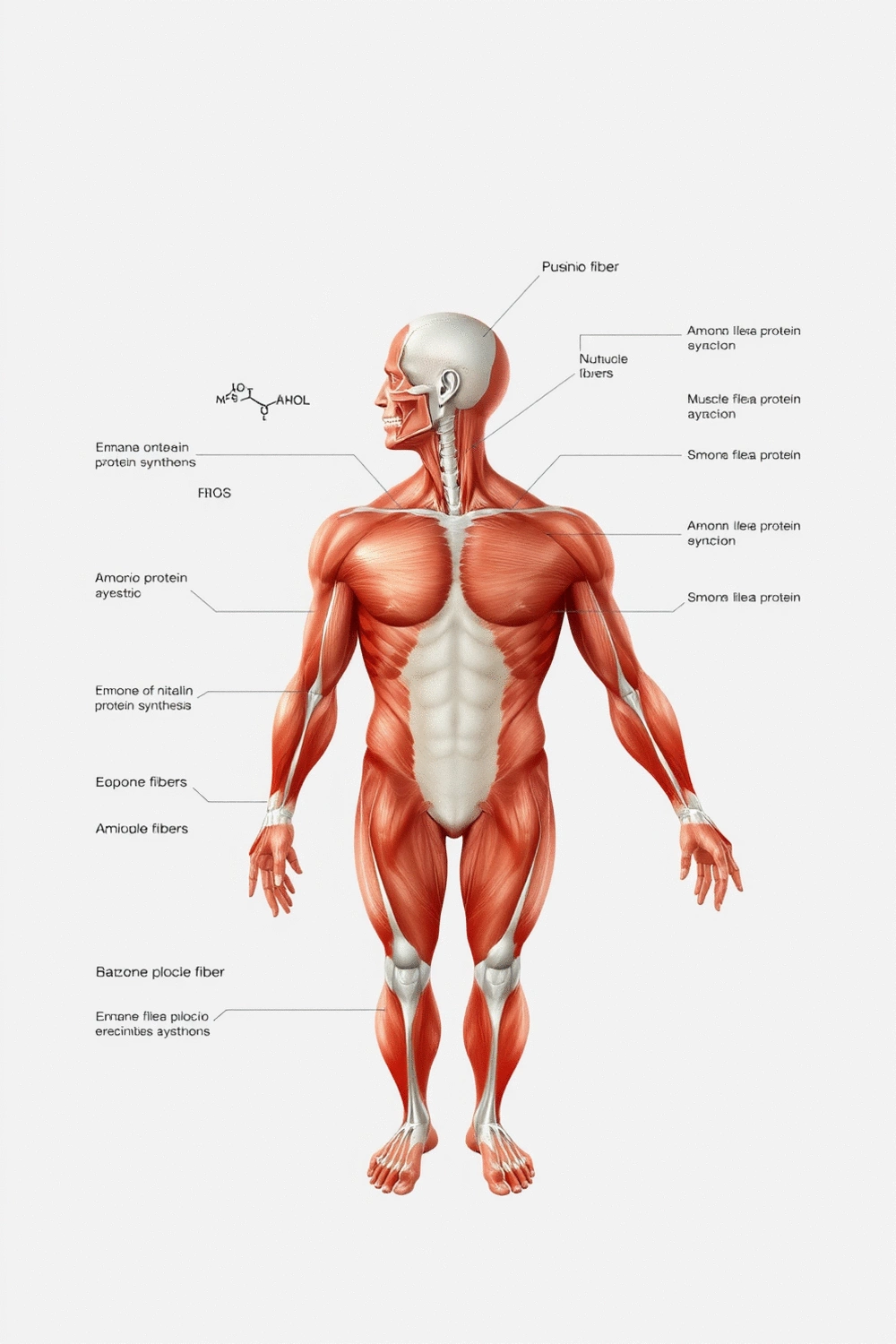
Muscle Protein Synthesis is the process that helps repair and build muscles after a workout. Think of it as your body’s way of saying thank you for the effort you’ve put in! Consuming protein-rich foods or supplements after exercising can significantly enhance this process, leading to stronger muscles over time.
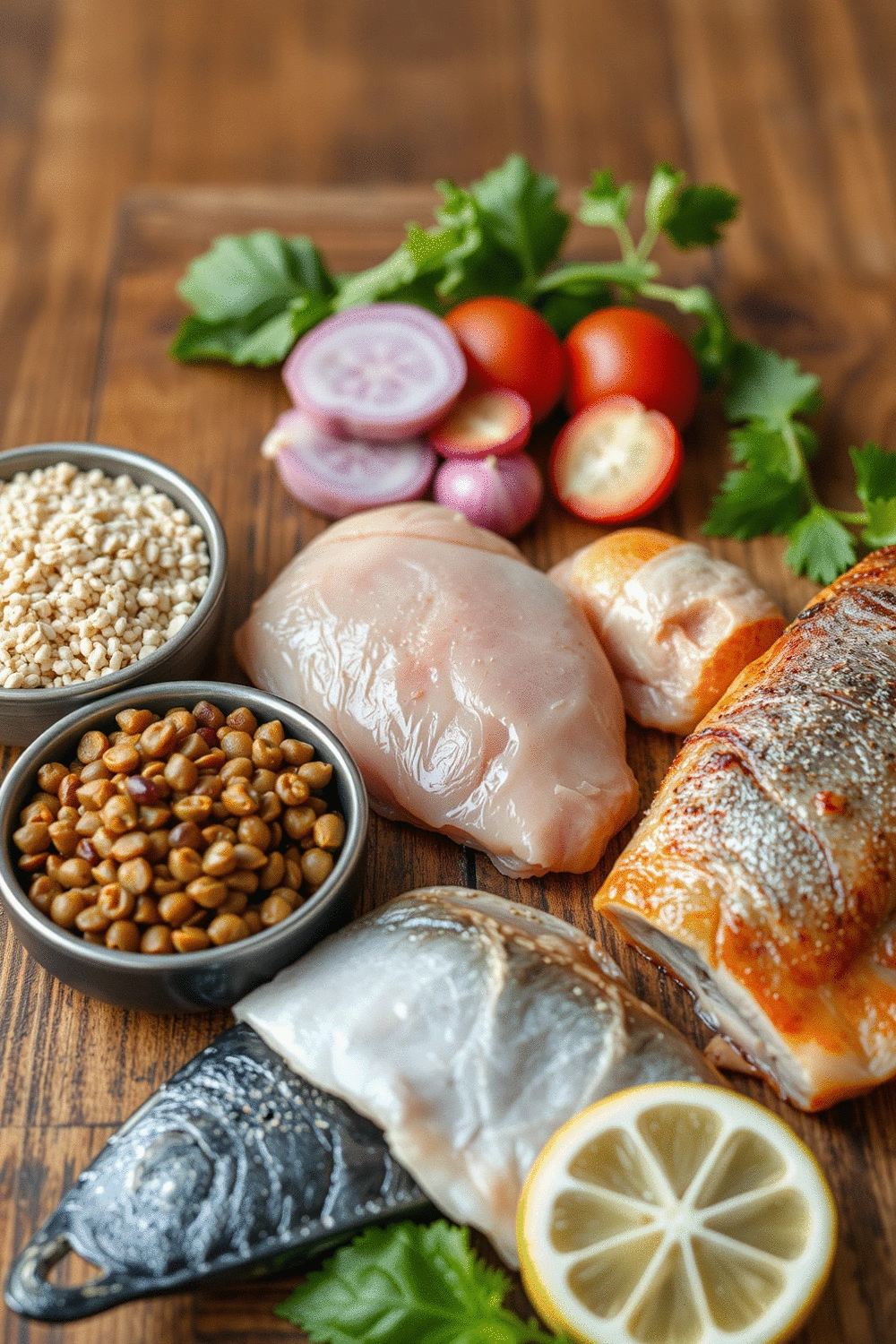
For instance, including sources like chicken, fish, or even plant-based options like lentils can give your body the necessary building blocks it needs to recover effectively.
How Protein Supports Recovery from Resistance Training
Post-resistance training recovery is where protein really shines! After a tough workout, your body is in a state where it needs to repair itself. Adequate protein intake not only helps with muscle repair but also reduces recovery time, meaning you can get back to doing what you love sooner.
To maximize your recovery, consider pairing your protein intake with some carbohydrates. This combination can further enhance recovery, providing your body with both immediate energy and the nutrients it needs to repair muscle effectively. For more details on combining nutrients, check out our post on top foods to boost your home workouts.
Recommended Protein Intake for Active Women
So, how much protein do you actually need? This can vary based on several factors, including age, activity level, and training intensity. Let’s dive into some straightforward guidelines to help you calculate your protein needs!
- General Guidelines: Most active women should aim for about 1.2 to 2.0 grams of protein per kilogram of body weight.
- Listen to Your Body: If you’re training intensely, you may need more protein to support muscle recovery and growth.
- Age Considerations: Women over 40 may require slightly more protein to counteract muscle loss associated with aging.
This is where personalized nutrition becomes key! By understanding your individual requirements, you can make informed choices that align with your fitness journey.
Calculating Protein Needs: Grams per Kilogram Guidelines
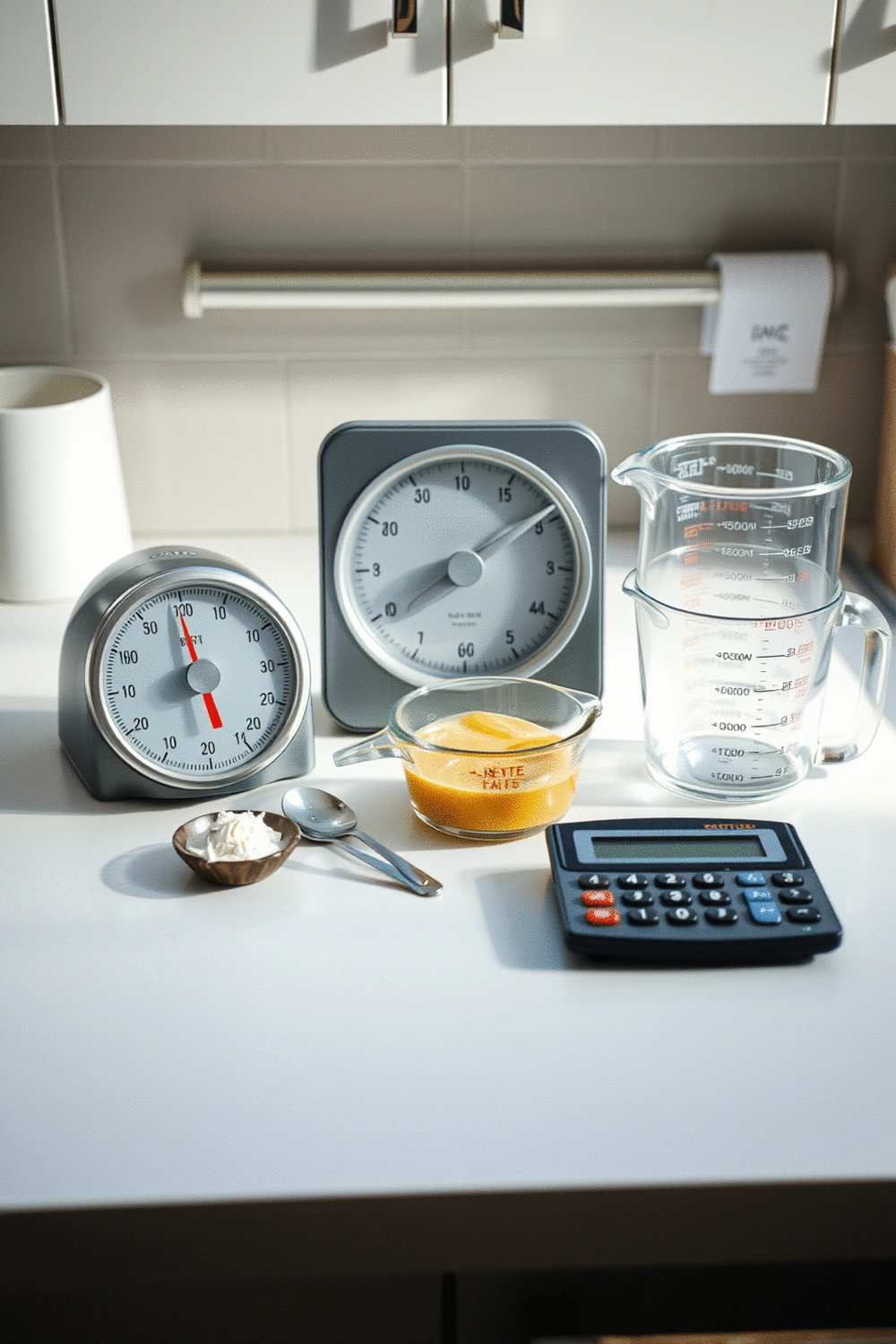
To calculate your protein needs, simply multiply your weight in kilograms by the recommended grams per kilogram based on your activity level. For example, if you weigh 65 kg and engage in moderate exercise, you might aim for around 1.5 grams of protein per kilogram, leading you to a total of approximately 98 grams of protein per day!
It’s an easy formula that can make a big difference in how you feel and perform during your workouts. For a deeper understanding of how to balance your diet for fitness success, check out our post on creating a balanced diet for fitness success.
Variations by Age and Training Intensity
Your protein needs may also shift depending on your age and how intensely you train. Younger women engaging in high-intensity workouts may need more protein for recovery, while those in their 40s and beyond should focus on adequate protein to maintain muscle mass. Keeping this in mind can help you stay on track with your fitness journey!
In summary, understanding your protein needs is an essential step in achieving your fitness goals. By considering factors like your age and workout intensity, you can create a personalized plan that works for you!
Frequently Asked Questions (FAQs)
Here are some common questions about protein for women's strength training:
- Why is protein important for women's strength training? Protein is crucial for muscle protein synthesis, which is the process of repairing and building muscle tissue after workouts. It also aids in reducing muscle soreness and speeding up recovery.
- How much protein do active women need daily? Active women typically need between 1.2 to 2.0 grams of protein per kilogram of body weight. This can vary based on age, activity level, and training intensity.
- What are good sources of protein for women? High-quality protein sources include lean meats (chicken, turkey), fish, eggs, dairy products (Greek yogurt, cottage cheese), and plant-based options like lentils, beans, tofu, and quinoa.
- Does protein intake help with muscle recovery? Yes, adequate protein consumption post-workout significantly helps in reducing muscle soreness and enhancing recovery time, allowing you to resume your training sooner and more effectively.
- Should protein intake be adjusted based on age? Yes, women over 40 may benefit from slightly higher protein intake to help counteract age-related muscle loss and maintain muscle mass.
Summarizing the Key Takeaways on Protein for Women's Strength Training
As we've explored, protein plays a crucial role in enhancing women's strength training efforts. From supporting muscle growth to aiding recovery, the benefits of protein extend far beyond the gym. It strengthens not just our muscles but also our overall well-being!
Here are some key takeaways to keep in mind:
- Protein is essential for muscle protein synthesis, helping to build and repair tissues.
- Adequate protein intake is vital for recovery from resistance training, allowing your body to replenish energy stores and repair muscle fibers.
- The type of protein consumed matters; prioritize high-quality sources to maximize benefits.
Incorporating sufficient protein into your daily routine can elevate your strength training experience. It’s about nourishing your body to empower your workouts and maintain your strength! Remember, consistency is key—make protein a regular part of your meals.
The Holistic Benefits of Protein in Strength Training
The benefits of protein in strength training go beyond just muscle gain. A well-balanced intake can enhance your overall health, supporting your immune system and boosting your energy levels. It’s not just about lifting weights; it's about lifting your spirit and overall wellness!
Here’s a quick list of holistic benefits:
- Improved muscle strength and performance.
- Enhanced recovery after workouts, reducing soreness.
- Support for bone health, especially important for women as they age.
By ensuring you get enough protein, you're not only fueling your workouts but also taking steps towards long-lasting health. This holistic approach is what we believe at Women Fit Space Daily—strength training is a journey of empowerment! For more information on maintaining bone health, consider exploring articles on nutrition for women over 40.
Encouraging Consistent Strength Training with Adequate Protein Intake
In my experience, one of the best ways to stay motivated in your fitness journey is to recognize the progress you’re making. Adequate protein intake can significantly contribute to this consistency. It helps maintain energy levels and supports your body through various workouts.
Here are a few tips to encourage your strength training routine with protein:
- Incorporate protein-rich snacks post-workout to aid recovery.
- Plan meals around your workouts to ensure you're fueled and ready!
- Track your protein intake with apps or journals to stay on target.
Consistency doesn’t just happen overnight; it builds over time. As you integrate these protein strategies into your routine, you'll likely find yourself more energized and motivated to tackle your strength training goals! To learn more about effective tracking and planning, check out resources on how tracking workouts boosted beginner success.
Next Steps for Women Committed to Strength Training
Implementing Practical Protein Strategies in Your Daily Routine
Now that you understand the importance of protein, it's time to put those insights into action! Plan your meals and snacks around your workout schedule. Consider preparing protein-rich options that you can easily grab on busy days. Creating a balanced diet will not only support your strength training but also promote overall health.
Exploring Further Resources for Nutrition and Strength Training
Ready to dive deeper into nutrition tailored for women? Check out our article on top foods to boost your home workouts. It’s filled with practical tips to help you fuel your fitness journey effectively!
Consulting a Personal Trainer for Tailored Nutrition and Fitness Plans
If you're looking for personalized advice, connecting with a personal trainer can be invaluable. They can help craft a nutrition and exercise plan that aligns with your specific goals. Remember, the right support can make all the difference in your fitness journey!
Recap of Key Points
Here is a quick recap of the important points discussed in the article:
- Protein is essential for muscle protein synthesis, aiding in muscle repair and growth.
- Adequate protein intake supports recovery from resistance training, reducing soreness and enhancing performance.
- Aim for 1.2 to 2.0 grams of protein per kilogram of body weight, adjusting based on activity level and age.
- Incorporate high-quality protein sources, such as lean meats, fish, and plant-based options, for optimal benefits.
- Combine protein with carbohydrates post-workout for improved recovery.