
How often do we equate healthy eating with a hefty price tag? It's time to challenge this notion and embrace the idea that nutritious choices can be both affordable and accessible. Let’s explore how to prioritize your health without compromising your budget!
As an Amazon Associate I earn from qualifying purchases. Affiliate links may earn me a commission at no extra cost to you.
What You Will Learn
- Meal planning is essential to avoid impulse purchases and stick to your nutrition budget.
- Incorporating affordable staples like whole grains and legumes can enhance your meals without breaking the bank.
- Seasonal and local produce tends to be more cost-effective and offers fresher options.
- Using technology, such as budgeting apps, can simplify tracking your nutrition expenses and dietary intake.
- Engaging with community resources can provide access to healthy foods at little or no cost.
Understanding Healthy Nutrition Choices on a Budget
As a fitness advocate, I get it—eating healthy can sometimes feel like a luxury that doesn’t fit into a tight budget. But at Women Fit Space Daily, I firmly believe that making nutritious choices shouldn’t break the bank! Understanding how to prioritize your nutrition while keeping an eye on costs is essential for every woman, especially those of us balancing busy lives.
When we think about budgeting for nutrition, it’s not just about saving money; it’s about making informed choices that empower us. It’s easy to overlook healthy eating when we feel the pressure of grocery bills, but with a little planning, we can navigate our nutrition without sacrificing our well-being.
Why Budgeting for Nutrition Matters
Budgeting for nutrition is vital for several reasons! First, it allows you to prioritize healthy foods that fuel your body, improve energy levels, and support your fitness goals. Second, sticking to a budget can reduce food waste and encourage us to consume what we actually buy, making our meals more intentional.
- Empowers women to make informed choices about their health
- Reduces food waste and promotes sustainability
- Enables a focus on nutrient-rich foods
Being mindful of your nutrition budget also encourages creativity in meal planning. It allows us to explore new recipes and ingredients that we might not have considered before, leading to a more exciting and diverse diet!

The Impact of Healthy Eating on Overall Well-Being
Healthy eating goes beyond the plate—it significantly influences our physical and mental health. Consuming a balanced diet packed with whole foods can enhance our mood, boost immunity, and even improve our sleep quality. As I often say, when we treat our bodies well, we can take on the world with confidence!
In my journey, I’ve seen the difference that nutritious meals can make. For instance, incorporating a variety of colorful fruits and vegetables not only satisfies the taste buds but also provides essential vitamins and minerals. If you’re curious about which foods specifically boost home workouts, check out my post on top foods to enhance your workouts.
Exploring Nutritional Value and Cost-Effectiveness of Whole Foods
Whole foods—like fruits, vegetables, whole grains, and legumes—are often more cost-effective than processed options. Not only do they provide essential nutrients, but they also offer greater satiety, helping us to feel full longer. This means fewer snacks and less temptation to buy expensive convenience foods!
- Fruits and vegetables can be purchased in bulk or frozen for longer shelf life
- Whole grains, like brown rice and quinoa, are affordable and versatile
- Legumes, such as beans and lentils, are excellent sources of protein at a fraction of the cost
By focusing on whole foods, we can not only save money but also cultivate a diet that supports our fitness journeys. If you're looking for more detailed tips on creating a balanced diet, I invite you to check out my guide on how to create a balanced diet. Together, let’s embrace nutritional changes that fit our budgets and empower our lives!
Frequently Asked Questions
- Q: How can I eat healthy without spending a lot of money?
- A: Focus on meal planning, incorporate affordable staples like whole grains and legumes, and choose seasonal and local produce. Utilizing budgeting apps and community resources can also help.
- Q: What are some affordable healthy food staples?
- A: Whole grains (like brown rice and quinoa), legumes (beans and lentils), and seasonal fruits and vegetables are excellent, cost-effective options.
- Q: How does meal planning help with budgeting for nutrition?
- A: Meal planning helps you avoid impulse purchases, reduces food waste, and ensures you stick to your grocery list, making your meals more intentional and budget-friendly.
- Q: Can technology assist in tracking nutrition expenses?
- A: Yes, budgeting apps can help you set limits on grocery spending, and nutrition apps can track your food intake to ensure you meet your dietary needs without overspending.
- Q: Where can I find affordable fresh produce?
- A: Farmers' markets are a great source for fresh, seasonal produce at competitive prices. Local food banks and community programs can also provide access to healthy foods.
Summarizing Key Takeaways for Budget-Friendly Nutrition
In our journey toward healthy eating without breaking the bank, it’s essential to reflect on the key takeaways that can guide us. By understanding that nutrition doesn’t have to be expensive, we can empower ourselves to make better food choices. Here’s a quick recap of what we've discussed:
- Prioritize meal planning to avoid impulse purchases.
- Incorporate affordable staples like grains and legumes into your meals.
- Explore seasonal and local produce for the best prices.
These steps can help you maintain a balanced diet while keeping your finances intact. Remember, every small change counts!
Actionable Steps to Implement Today
Ready to take action? Here are some simple steps you can implement today to kickstart your budget-friendly nutrition journey:
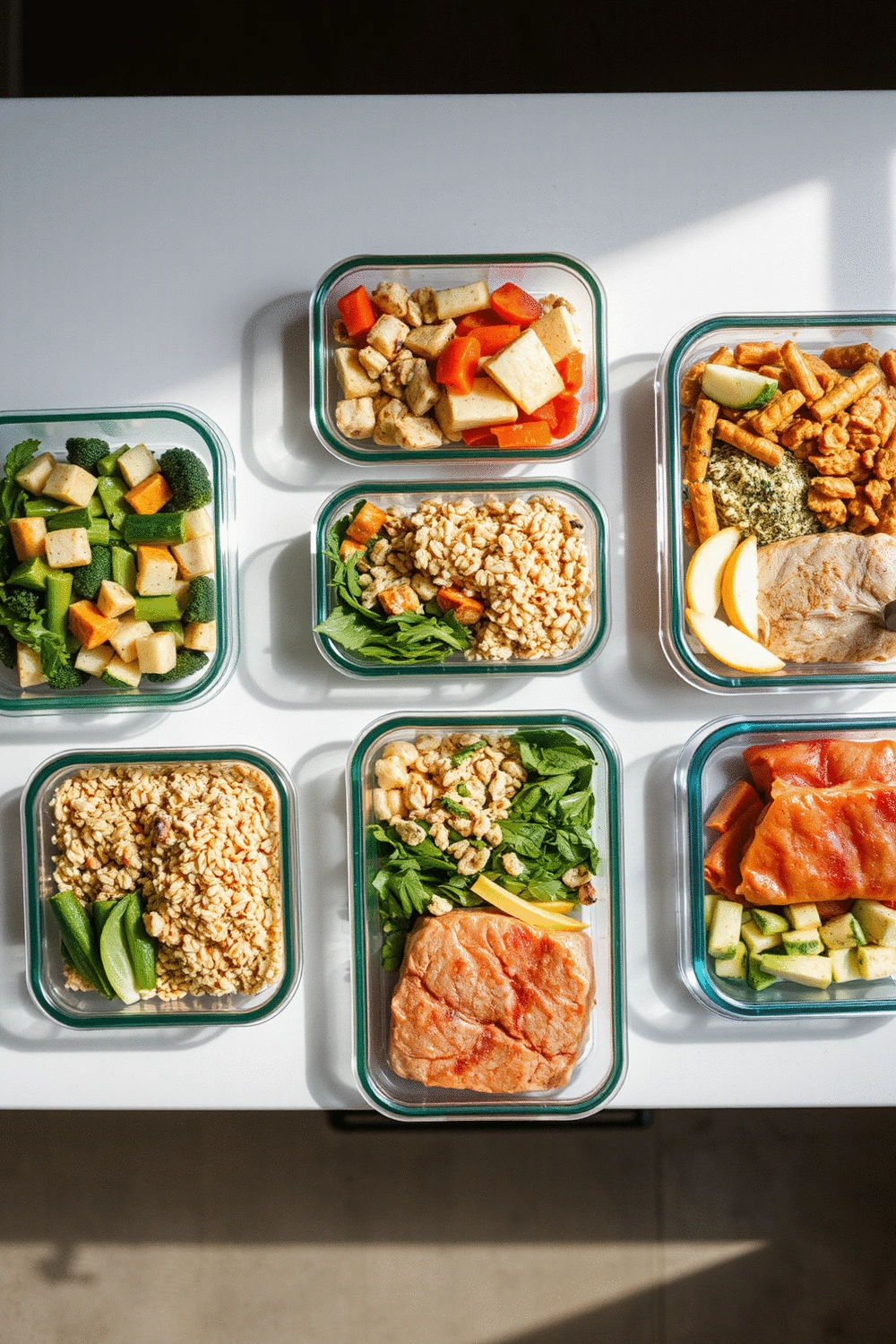
- Plan your meals for the week—set aside time every Sunday to create a meal plan.
- Make a shopping list before you hit the grocery store to stick to your budget.
- Start experimenting with affordable ingredients, like beans and seasonal vegetables.
Taking these actionable steps will not only enrich your meals but also enhance your overall well-being. If you're curious about specific balanced diet tips, check out this post for more insights!
Using Technology for Budget Nutrition Tracking
In this digital age, technology can be a powerful ally in managing your nutrition budget. There are numerous apps available that can help you track your expenses and nutritional intake effortlessly. Here are some tips for utilizing technology:
- Use budgeting apps to set limits on your grocery spending.
- Track your food intake with nutrition apps to ensure you’re meeting your dietary needs.
- Join online communities or forums where you can share tips and recipes.
By leveraging technology, you can stay motivated and accountable on your nutrition journey, making healthy eating accessible without overspending. For more ideas on how to optimize your fitness routine, explore our guide on unlocking the benefits of stability balls for core training.
Encouragement to Embrace Healthy Choices on a Budget
As we wrap up, I want to encourage you to embrace healthy choices, no matter your financial situation. It’s common to think that eating well is a luxury, but I’m here to tell you that it doesn’t have to be! Healthy eating is achievable for everyone, especially with the right mindset and resources.
Overcoming Common Misconceptions about Healthy Eating Costs
One of the biggest misconceptions is that healthy foods are always more expensive. However, with some planning and creativity, you can find affordable options that nourish your body and soul. Here are a few common myths to dispel:
- Myth: Organic equals expensive—try shopping at local farmers’ markets for deals!
- Myth: Eating healthy takes too much time—meal prep can save you hours during the week.
- Myth: You need to buy fancy ingredients—basics like beans and oats are budget-friendly and nutritious.
Remember, it’s all about making informed choices and finding joy in the process! For more guidance on nutrition specifically tailored for women over 40, check out our post on vibrant health tips.
Engaging with Community Resources for Support and Ideas
Engaging with your community can open doors to resources you may not have considered. Local food banks and community programs often provide access to healthy foods at little or no cost. Here are some ways to get involved:
- Volunteer at a local food bank for fresh insights on available resources.
- Connect with neighbors to share garden produce or bulk purchases.
- Participate in community cooking classes focused on budget meals.
Lastly, don’t overlook the treasures found at farmers’ markets! Connecting with local vendors not only supports your community but also provides access to fresh, affordable produce. Let’s make healthy eating a community affair! For instance, joining a community garden can provide fresh produce and connect you with like-minded individuals, enhancing your overall well-being, similar to how mastering beginner yoga poses can improve flexibility and mindfulness.

Connecting with Farmers Markets for Fresh and Affordable Produce
Farmers’ markets are a fantastic way to access fresh, seasonal produce at lower prices. Here’s why you should check them out:
- Direct purchase from the growers ensures freshness and quality.
- Prices are often lower than grocery stores since there’s no middleman.
- You can find unique and heirloom varieties that boost your culinary creativity!
Don’t hesitate to ask farmers about their growing practices; they love sharing their knowledge! By supporting local, you’re not just nourishing your body; you’re nourishing your community. So, let’s embrace healthy choices together, making every meal a celebration of wellbeing!
Recap of Key Points
Here is a quick recap of the important points discussed in the article:
- Prioritize meal planning to avoid impulse purchases and stick to your budget.
- Incorporate affordable staples like grains and legumes to maintain a balanced diet.
- Explore seasonal and local produce for better prices and freshness.
- Utilize technology, such as budgeting and nutrition apps, to track your expenses and dietary intake.
- Engage with community resources for support, like local food banks and farmers' markets.