
As you embark on the beautiful journey of motherhood, the importance of nurturing healthy habits cannot be overstated. Nutrition is not just about eating; it's about fueling your body and your baby with the essentials for a thriving pregnancy. Let’s uncover the key insights that will empower you on this transformative path!
As an Amazon Associate I earn from qualifying purchases. Affiliate links may earn me a commission at no extra cost to you.
What You Will Learn
- A balanced diet is crucial for both your health and your baby's development.
- Key nutrients to focus on include folic acid, iron, omega-3 fatty acids, calcium, and protein.
- Staying hydrated and listening to your body's hunger cues are essential during pregnancy.
- Consulting healthcare professionals can provide personalized nutrition plans tailored to your needs.
- Incorporating small, frequent meals can help manage nausea and sustain energy levels.
- Engaging with a supportive community of other expecting mothers can enhance your wellness journey.
Understanding the Role of Nutrition in Pregnancy Fitness
As a fitness advocate who cares deeply about empowering women, I truly believe that nutrition plays a crucial role in your pregnancy fitness journey. It’s not just about keeping your body moving; it’s also about providing the right fuel for both you and your growing baby. Embracing a balanced diet during this important time lays the foundation for a healthy pregnancy, and I’m here to guide you through it!
Pregnancy can be a challenging yet beautiful experience, and understanding how nutrition impacts your fitness can help you manage your well-being more effectively. From energy levels to fetal development, the food choices you make will significantly influence this special phase of your life. Let’s dive into why a balanced diet is essential for expecting mothers.
Why a Balanced Diet is Essential for Expecting Mothers
A balanced diet is vital during pregnancy because it not only supports your health but also your baby's development. When you nourish your body with wholesome foods, you're equipping it to handle the changes that come with pregnancy, including fluctuating hormones and increased nutritional needs.
- Helps in the healthy growth of your baby.
- Reduces the risk of pregnancy complications.
- Ensures you have the energy needed for daily activities.
- Supports your mental health and mood stability.
Making mindful food choices is crucial, and finding a way to enjoy nutritious meals can be both rewarding and delicious! If you’re curious about how to create a balanced diet tailored specifically for your fitness success during pregnancy, check out my post on creating a balanced diet.
Key Nutrients to Focus on During Pregnancy
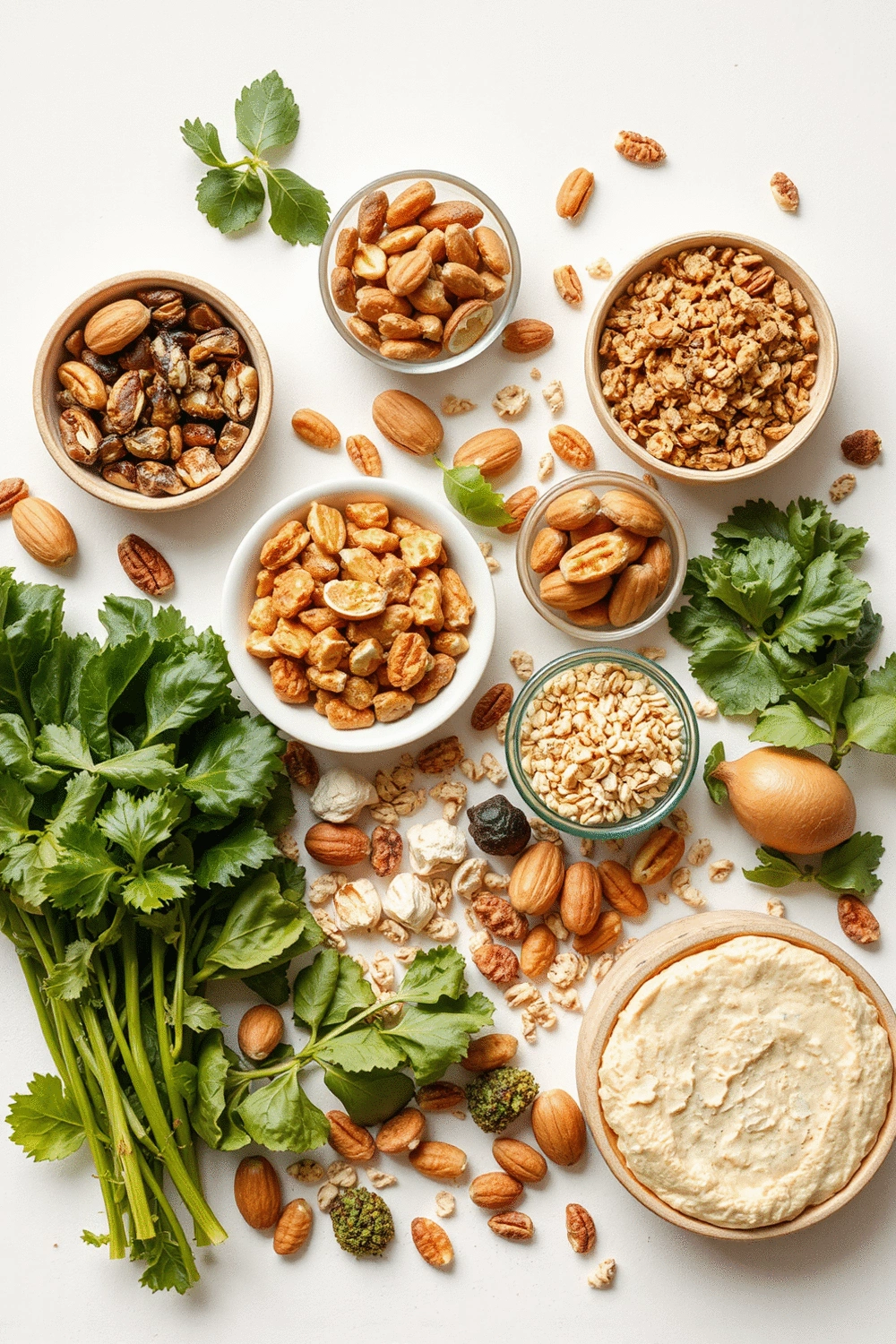
As you embark on this journey, it’s essential to focus on specific nutrients that will help support both your health and your baby's development. Here are some key nutrients you should prioritize:
- Folic Acid: Essential for fetal development.
- Iron: Important for preventing deficiencies.
- Omega-3 Fatty Acids: Beneficial for both mother and baby.
- Calcium and Vitamin D: Crucial for strong bones.
- Protein: Supports optimal growth and development.
Fully understanding these nutrients can enhance your health and ensure that you're doing everything possible for your little one. For a deeper dive into postpartum nutrition, don't hesitate to check my article on postpartum healing!
Folic Acid: Supporting Fetal Development
Folic acid is a powerhouse nutrient that helps prevent neural tube defects in your developing baby. Incorporating foods rich in folic acid—like leafy greens, nuts, and fortified cereals—can make a big difference in this vital aspect of development.
Iron Supplementation: Preventing Deficiencies
Iron is another critical nutrient during pregnancy, as it helps prevent anemia and ensures that your body can effectively deliver oxygen to both you and your baby. Make sure to include iron-rich foods such as red meat, beans, and spinach in your diet. To further enhance your fitness journey, consider exploring how to choose the right exercise equipment, which can complement your nutritional efforts. Discover tips on how to choose the right treadmill for your goals.
Omega-3 Fatty Acids: Benefits for Mother and Baby
These healthy fats are essential for brain development in your baby and can also enhance your mood during pregnancy. Sources like fatty fish, flaxseeds, and walnuts are fantastic additions to your diet.
Calcium and Vitamin D: Building Strong Bones
Calcium is crucial for building your baby's bones and teeth, while vitamin D helps your body absorb calcium effectively. Incorporate dairy products, fortified plant milk, and sunlight into your daily routine to meet these needs!
Protein Sources for Optimal Growth and Development
Lastly, protein is vital for the growth of your baby and helps maintain your own muscle mass during pregnancy. Eggs, lean meats, beans, and legumes are excellent protein sources to consider. For those interested in yoga, understanding the right gear can also support your physical well-being. Read more about top yoga bolsters to enhance restorative and prenatal comfort.
Frequently Asked Questions About Pregnancy Nutrition
Why is a balanced diet so important during pregnancy?
A balanced diet is crucial during pregnancy because it supports both the mother's health and the baby's healthy development. It provides essential nutrients, helps manage energy levels, reduces the risk of complications, and supports mental well-being.
What are the key nutrients to focus on during pregnancy?
Key nutrients include folic acid (for fetal development), iron (to prevent anemia), omega-3 fatty acids (for brain development and mood), calcium and vitamin D (for strong bones), and protein (for growth and muscle maintenance).
How can I manage nausea and maintain energy levels during pregnancy?
Incorporating small, frequent meals throughout the day can help manage nausea and provide a steady supply of energy. Listening to your body's hunger cues and staying hydrated are also essential.
Is it necessary to consult a healthcare professional for a nutrition plan during pregnancy?
Yes, consulting a healthcare professional is highly recommended. They can provide a personalized nutrition plan tailored to your specific needs, address any dietary restrictions, and help manage potential complications.
What are some common nutritional deficiencies during pregnancy and how can I address them?
Common deficiencies include iron, folate, and calcium. Iron can be addressed with red meat, beans, and spinach; folate with leafy greens, nuts, and fortified cereals; and calcium with dairy products, fortified plant milk, and sunlight (for Vitamin D absorption).
Recap of Essential Nutrition Tips for Women's Fitness During Pregnancy
As we wrap up our discussion on nutrition during pregnancy, it's vital to remember the foundational tips that can enhance your fitness journey. A balanced diet paired with regular exercise can make a significant difference in how you feel throughout these transformative months. Let’s revisit some of the key takeaways that can empower you as you embrace this incredible chapter of your life!
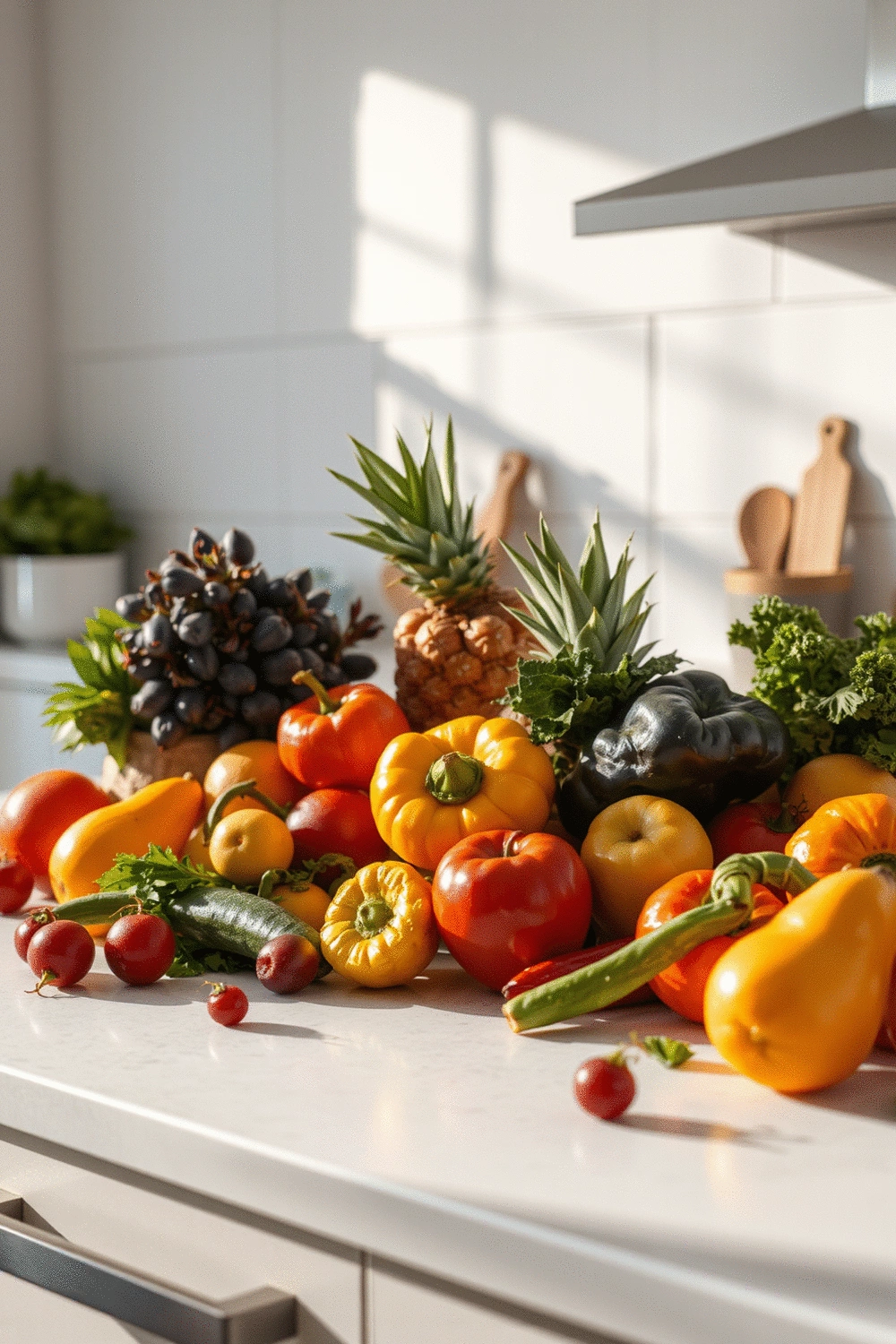
- Prioritize nutrient-rich foods: Incorporate fruits, vegetables, whole grains, lean proteins, and healthy fats into your daily meals.
- Stay hydrated: Drink plenty of water to support both your health and that of your growing baby.
- Listen to your body: Pay attention to your hunger cues and adjust your food intake accordingly.
These essential tips are designed to help you navigate your pregnancy with confidence and vitality. Remember, it’s all about creating a balanced approach that resonates with your unique needs!
Key Takeaways for a Healthy Pregnancy Journey
In addition to the fundamentals, here are some key takeaways that stand out:
- Consult a healthcare professional: Having a personalized nutrition plan tailored to your specific needs can significantly enhance your wellness.
- Focus on small, frequent meals: This can help manage nausea and provide steady energy levels throughout the day.
- Stay active: Incorporate safe exercises that you enjoy to promote physical and mental well-being.
As I always say at Women Fit Space Daily, your journey is unique, and so should be your approach to nutrition and fitness.
The Importance of Personalized Nutrition and Fitness Plans
Every woman’s body responds differently during pregnancy, which is why a personalized nutrition and fitness plan is crucial. What works for one person might not suit another. Tailoring your diet and exercise regime can help address specific health concerns, energy levels, and overall comfort.
If you’re looking for guidance on how to create a balanced diet, check out our post on how to create a balanced diet for fitness success. Personalization is key to feeling empowered and strong throughout this journey!
Understanding Nutritional Deficiencies and Their Impact
Nutritional deficiencies can lead to various health issues, affecting both you and your baby. Common deficiencies during pregnancy include iron, calcium, and folate. Understanding these can help you make informed dietary choices.
- Iron: Essential for creating red blood cells and preventing anemia.
- Folate: Crucial for fetal development, especially in the early stages of pregnancy.
- Calcium: Supports the development of your baby's bones and teeth.
By being aware of potential deficiencies, you can take proactive steps in your diet. For more insights on postpartum nutrition, consider reading our article on 10 must-know nutrition tips for postpartum healing.

Encouragement to Adopt Healthy Habits
As you embark on this beautiful journey of motherhood, nurturing healthy habits is essential. It’s not just about nutrition; it’s about cultivating a lifestyle that supports your well-being and that of your baby. Together, let’s foster an environment that celebrates wellness!
Building a Supportive Community and Sharing Experiences
Remember, you’re not alone! Connecting with other expecting mothers can provide invaluable support. Consider joining a local or online group where you can share experiences, challenges, and tips for staying healthy during pregnancy. Engaging with others can lighten the load and inspire you to stay committed to your wellness journey.
Next Steps: Creating Your Own Nutrition and Fitness Plan
Now that you have the tools and knowledge, it’s time to create a nutrition and fitness plan that fits into your unique lifestyle. Start by setting achievable goals that resonate with your personal journey. Whether it’s incorporating a new healthy recipe or a short daily workout, every step counts!
Utilizing Support Groups and Professional Guidance
Don’t hesitate to seek help! Utilizing support groups and consulting with healthcare professionals can provide guidance tailored to your specific needs. This is especially important if you have any pregnancy complications or dietary restrictions. You deserve all the support to navigate this incredible journey!
Recap of Key Points
Here is a quick recap of the important points discussed in the article:
- Prioritize nutrient-rich foods: Incorporate a variety of fruits, vegetables, whole grains, lean proteins, and healthy fats into your daily meals.
- Stay hydrated: Drinking plenty of water is essential for your health and that of your growing baby.
- Listen to your body: Pay attention to hunger cues and adjust your food intake accordingly.
- Focus on key nutrients: Ensure adequate intake of folic acid, iron, omega-3 fatty acids, calcium, vitamin D, and protein.
- Consult a healthcare professional: Personalized nutrition plans can enhance your wellness journey.
- Engage in safe physical activities: Incorporate enjoyable exercises to promote both physical and mental well-being.
- Build a support network: Connecting with other expecting mothers can provide valuable encouragement and shared experiences.