

As women enter their 40s, their nutritional needs evolve significantly. Understanding these changes can empower you to make informed dietary choices that enhance your health and well-being. Let’s delve into the essential insights that can guide you on this journey!
As an Amazon Associate I earn from qualifying purchases. Affiliate links may earn me a commission at no extra cost to you.
What You Will Learn
- Metabolism slows down after 40, necessitating a focus on nutrient-dense foods and a reduction in caloric intake.
- Hormonal fluctuations during menopause can lead to increased cravings and changes in appetite.
- Key nutrients like calcium, Vitamin D, and B Vitamins are essential for maintaining health and vitality after 40.
- Incorporating high-fiber foods and lean protein is crucial for managing weight and preserving muscle mass during menopause.
- Regular hydration and strategic supplementation can help alleviate menopausal symptoms and support overall health.
- Understanding the interaction between diet and medications is vital for optimal health, especially with supplements.
Understanding Nutrition for Women Over 40: Key Changes and Needs
As we navigate the vibrant journey of life, our bodies undergo significant changes, especially after 40. It's essential to acknowledge these transformations and understand how they impact our nutritional needs. At Women Fit Space Daily, I’m here to help you embrace these changes with confidence. Let’s explore how metabolism and hormonal shifts play a role in shaping our diets!
How Metabolism and Hormonal Changes Impact Nutritional Needs
Every woman experiences unique metabolic shifts as she ages. After 40, metabolism tends to slow down, making it crucial to adjust our caloric intake and focus on nutrient-dense foods. Hormonal changes, particularly during perimenopause and menopause, can also affect appetite and cravings. It's like your body is sending you little signals to pay attention to what you eat!
- Lower metabolic rate means fewer calories needed.
- Hormonal fluctuations can lead to increased cravings.
- Increased need for certain nutrients like calcium and iron.
By understanding these shifts, you can make informed choices that not only support your health but also empower your fitness journey. Remember, it’s about fueling your body wisely!
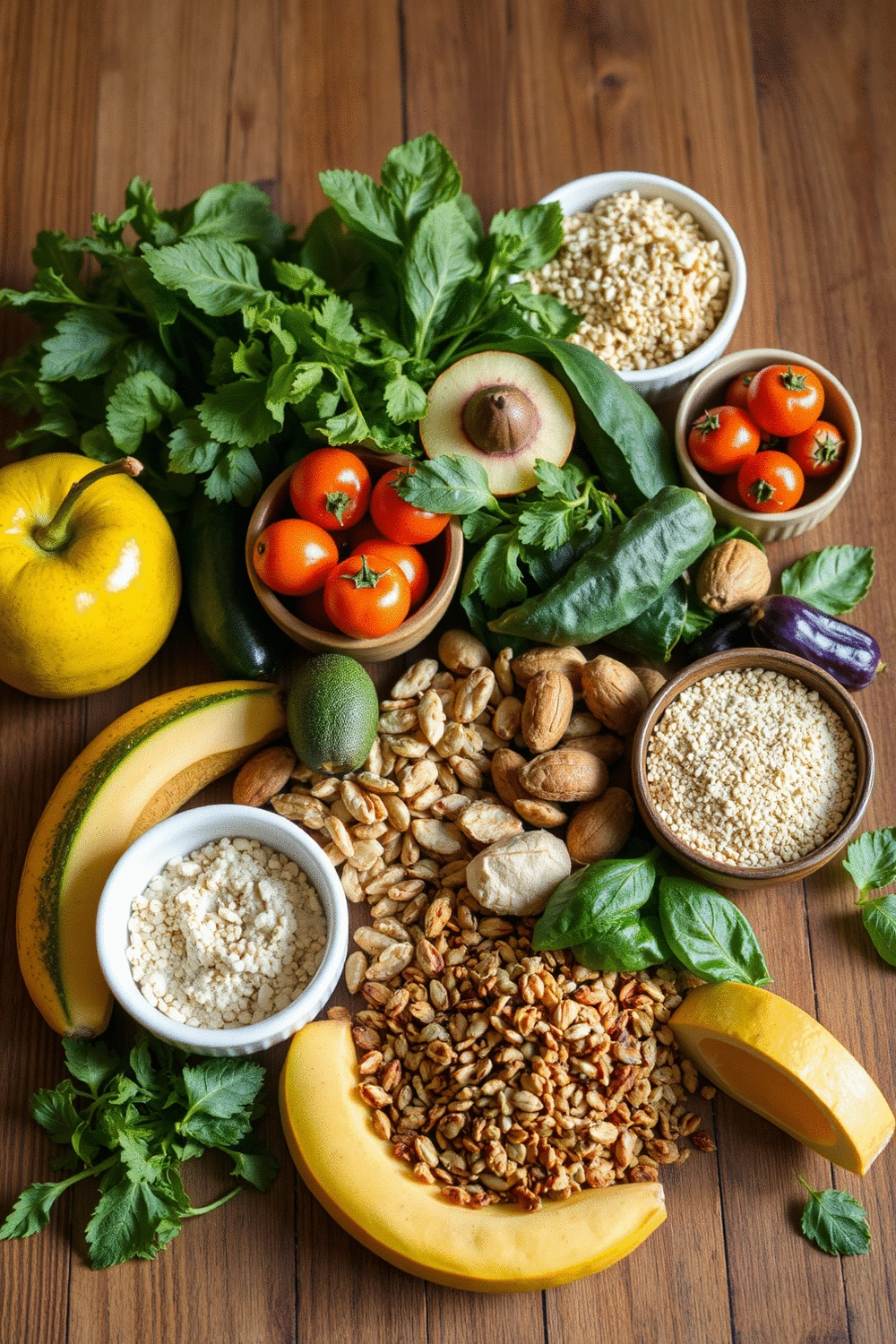
The Role of Important Nutrients in Supporting Health After 40
Nutrients become even more vital as we age. For women over 40, specific nutrients play critical roles in maintaining health and vitality. These include vitamins B, D, and calcium, among others. Ensuring you have a balanced intake of these nutrients can help combat the effects of aging.
- Calcium: Essential for strong bones.
- Vitamin D: Supports calcium absorption.
- B Vitamins: Vital for energy production and brain health.
Incorporating a variety of foods rich in these nutrients will not only enhance your physical health but also support your overall well-being during midlife.
Menopause and Its Influence on Nutritional Needs
Menopause is a significant milestone in a woman’s life, bringing with it an array of changes. As your body transitions, nutritional needs can shift dramatically. During this period, many women experience weight gain, changes in body composition, and increased risks for osteoporosis.
- Focus on high-fiber foods to aid digestion.
- Incorporate lean protein to help preserve muscle mass.
- Stay hydrated to combat symptoms of menopause.
By making thoughtful adjustments to your diet, you can mitigate some of the challenges that come with menopause. Trust me, you’ve got this!
Strategies for Maintaining Bone Health: The Importance of Calcium and Vitamin D
Did you know that bone health becomes a major focus after 40? Calcium and vitamin D are crucial for preventing bone density loss. Here are some effective strategies to ensure you're getting enough:
- Include dairy products or fortified alternatives in your diet.
- Spend some time outdoors for natural vitamin D from the sun.
- Consider supplements if dietary intake is insufficient.
Ensuring you have a solid foundation of bone health will help keep you active and strong as you continue your fitness journey! For more insights on how to create a balanced diet, check out my post on creating a balanced diet for fitness success. For more information on how to choose resistant bands, visit Discover 7 Benefits of Using Resistance Bands in Strength Training.
Supplementation Insights and Considerations for Women Over 40
When it comes to nutrition for women over 40, supplementation can play a vital role in filling gaps that may arise due to changing dietary needs. As we age, our bodies require different vitamins and minerals to support overall health, and understanding these needs can empower you to make informed choices.
Let’s dive into the essential vitamins and minerals you should consider incorporating into your daily routine:
- Calcium: Crucial for bone health, especially as we face the risk of osteoporosis.
- Vitamin D: Works hand-in-hand with calcium to maintain bone integrity.
- B Vitamins: Important for energy production and brain health.
- Magnesium: Supports muscle and nerve function, as well as energy levels.
Incorporating these supplements can complement a balanced diet and help ensure you’re getting the nutrients necessary for your best health. If you want to explore more about balancing your nutrition, check out our post on how to create a balanced diet for fitness success.

Essential Vitamins and Minerals: What You Need to Know
As we navigate through midlife, it’s essential to be proactive about our nutrition. For women over 40, certain vitamins and minerals become especially important:
- Vitamin B12: Vital for red blood cell formation and neurological function.
- Omega-3 fatty acids: Help combat inflammation and support heart health.
- Zinc: Crucial for immune function and skin health.
- Iron: Important for energy levels, especially if you experience heavy menstrual cycles.
By staying informed about these essential nutrients, you can create a robust foundation for your health as you age. For more guidance on nutrition tailored to your unique needs, consider our insights on top foods to boost your home workouts. Also, learn about Top 10 Yoga Poses for Every Beginner.
Understanding Interaction of Nutrition with Medications
It’s also important to understand how your diet and any supplements interact with medications you may be taking. Some nutrients can enhance medication efficacy, while others might interfere with their absorption. Here are a few tips:
- Always consult your healthcare provider before starting any new supplement.
- Keep track of your medications and any dietary changes you make.
- Be cautious with high doses of certain vitamins, as these can sometimes lead to adverse effects.
Understanding these interactions can help you navigate your health journey more effectively. Taking control of your nutrition in this way is empowering!
The Importance of Supplements for Bone Health and Hormonal Balance
As women transition through menopause, bone health and hormonal balance become even more critical. Supplements can aid in this transition by providing the necessary nutrients:
- Calcium and Vitamin D: Together, these are key players in maintaining strong bones.
- Phytoestrogens: Found in soy products, they may help alleviate some menopausal symptoms.
- Collagen: Supports joint and skin health, which can decline with age.
Supplementing wisely can help you maintain strength and balance during this transformative phase of life. Embrace these tools as part of your wellness toolkit!

Frequently Asked Questions About Nutrition for Women Over 40
- Why does metabolism slow down after 40?
As women age, hormonal changes and a natural decrease in muscle mass contribute to a slower metabolic rate, meaning the body burns fewer calories at rest. - What are the most important nutrients for women over 40?
Key nutrients include Calcium and Vitamin D for bone health, and B Vitamins for energy and brain function. Iron and Omega-3 fatty acids are also highly beneficial. - How does menopause affect nutritional needs?
Menopause can lead to weight gain, changes in body composition, and an increased risk of osteoporosis. Nutritional needs shift to require more fiber, lean protein, and bone-supporting nutrients like calcium and vitamin D. - Are supplements necessary for women over 40?
Supplements can be vital to fill nutritional gaps that may arise due to dietary changes or increased needs with aging. However, it's always best to consult a healthcare provider before starting any new supplement regimen. - How can diet interact with medications?
Some nutrients can affect how medications are absorbed or metabolized, either enhancing or interfering with their efficacy. Always discuss your diet and any supplements with your doctor or pharmacist to avoid adverse interactions.
Recap of Key Points
Here is a quick recap of the important points discussed in the article:
- Adjust caloric intake and focus on nutrient-dense foods due to a slower metabolism after 40.
- Key nutrients like calcium, vitamin D, and B vitamins are essential for health and vitality.
- High-fiber foods and lean proteins are recommended to manage weight and preserve muscle during menopause.
- Calcium and vitamin D are crucial for maintaining bone health as you age.
- Supplementation can fill nutritional gaps and support overall health for women over 40.
- Understanding the interaction between nutrition and medications is vital for effective health management.