

Consider this: your skin is a reflection of your inner health. With the right nutrition, you can unlock its true potential and radiate confidence. Let’s explore the vital connection between what you eat and how your skin looks.
As an Amazon Associate I earn from qualifying purchases. Affiliate links may earn me a commission at no extra cost to you.
What You Will Learn
- Nutrient-rich foods support skin repair and regeneration, essential after workouts.
- Proper hydration through nutrition maintains skin elasticity and improves appearance.
- Incorporating vitamins A, C, and E can significantly enhance skin health.
- Antioxidants found in fruits and vegetables protect skin from environmental damage.
- Omega-3 fatty acids help reduce inflammation and promote a healthy skin barrier.
- Setting realistic expectations is crucial for observing improvements in skin health.
- Adopting a holistic approach, including exercise and stress management, supports skin wellness.
- Creating a personalized nutrition plan can optimize skin health and overall well-being.
- Seeking professional advice can be beneficial for specific skin concerns or dietary restrictions.
Understanding the Connection Between Nutrition and Skin Health
As a fitness advocate, I often emphasize that what we eat greatly influences our overall health, and this includes the health of our skin. Nutrition is not just about fueling our bodies for workouts; it plays a crucial role in maintaining vibrant and clear skin. For fitness enthusiasts, understanding this connection can enhance not only performance but also boost confidence in our appearance!
In my journey with Women Fit Space Daily, I’ve seen firsthand how many women overlook the importance of nutritional choices in their fitness routines. Whether you’re a busy mom or a seasoned athlete, nourishing your skin with the right foods can lead to impressive results. Let’s dive into why nutrition is vital for skin wellness.
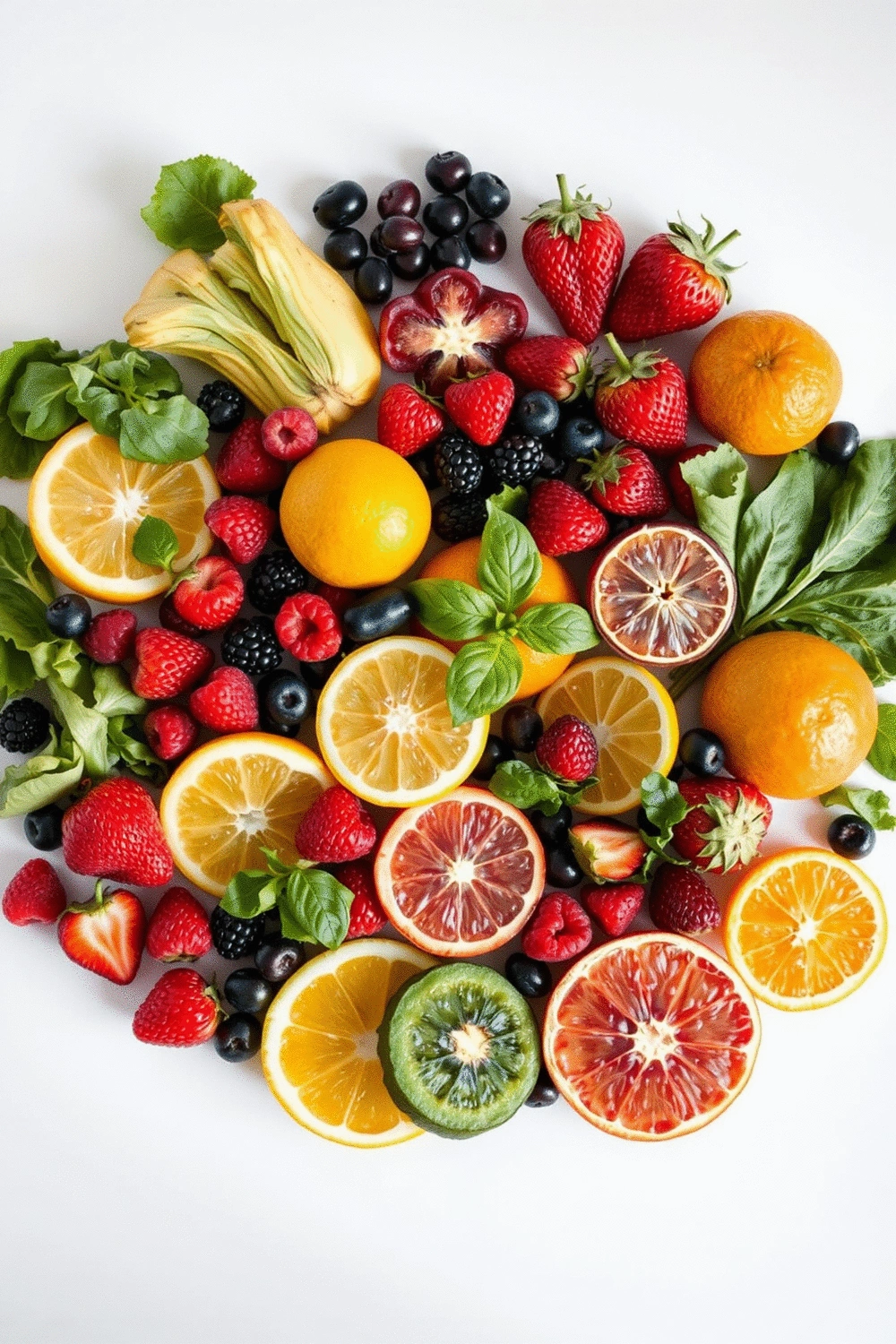
Why Nutrition is Vital for Skin Wellness in Fitness Enthusiasts
Our skin is a reflection of our inner health, and as we sweat through workouts, we lose essential nutrients that our skin needs to stay radiant. Here are a few reasons why nutrition is key:
- Supports Skin Repair: Nutrient-rich foods help repair and regenerate skin cells, especially after rigorous exercise.
- Boosts Hydration: Proper nutrition helps maintain hydration levels, which is essential for skin elasticity and overall appearance.
- Prevents Inflammation: A balanced diet can reduce inflammation, minimizing breakouts and skin irritation.
When we prioritize nutrition, we equip our bodies (and skin!) with the tools they need to recover and glow. If you’re curious about how to create a balanced diet specifically tailored for your fitness success, I recommend checking out my post on creating a balanced diet.
Key Nutrients that Promote Healthy Skin
Now that we understand the importance of nutrition, let’s explore the key nutrients that can transform our skin health. Incorporating these into your meals can lead to noticeable improvements!
Vitamins and Minerals Essential for Skin Function
Vitamins A, C, and E are incredible allies for skin health, as they help maintain moisture and protect against damage. Additionally, minerals like zinc and selenium support skin repair and regeneration. Here’s a quick list of essential vitamins and their benefits:
- Vitamin A: Promotes skin cell production and repair.
- Vitamin C: Essential for collagen production, keeping skin firm and youthful.
- Vitamin E: Acts as a powerful antioxidant, protecting skin from free radicals.
Antioxidants and Their Role in Skin Protection
Antioxidants are your skin’s best friend! They combat oxidative stress caused by environmental factors, such as pollution and UV rays. Foods rich in antioxidants, like berries, nuts, and green leafy vegetables, can significantly improve skin resilience. Incorporating these into your diet is a delicious way to enhance your health!
Benefits of Omega-3 Fatty Acids for Skin Health
Don’t forget about those healthy fats! Omega-3 fatty acids, found in fish like salmon and flaxseeds, are known to reduce inflammation and keep skin hydrated. They work wonders for promoting a healthy skin barrier, making them a must-have in your nutrition plan.
If you're looking for practical tips on how to boost your home workouts with nourishing foods, I suggest checking out my post on foods to boost your home workouts. Remember, a little attention to your diet can go a long way in achieving that glow!
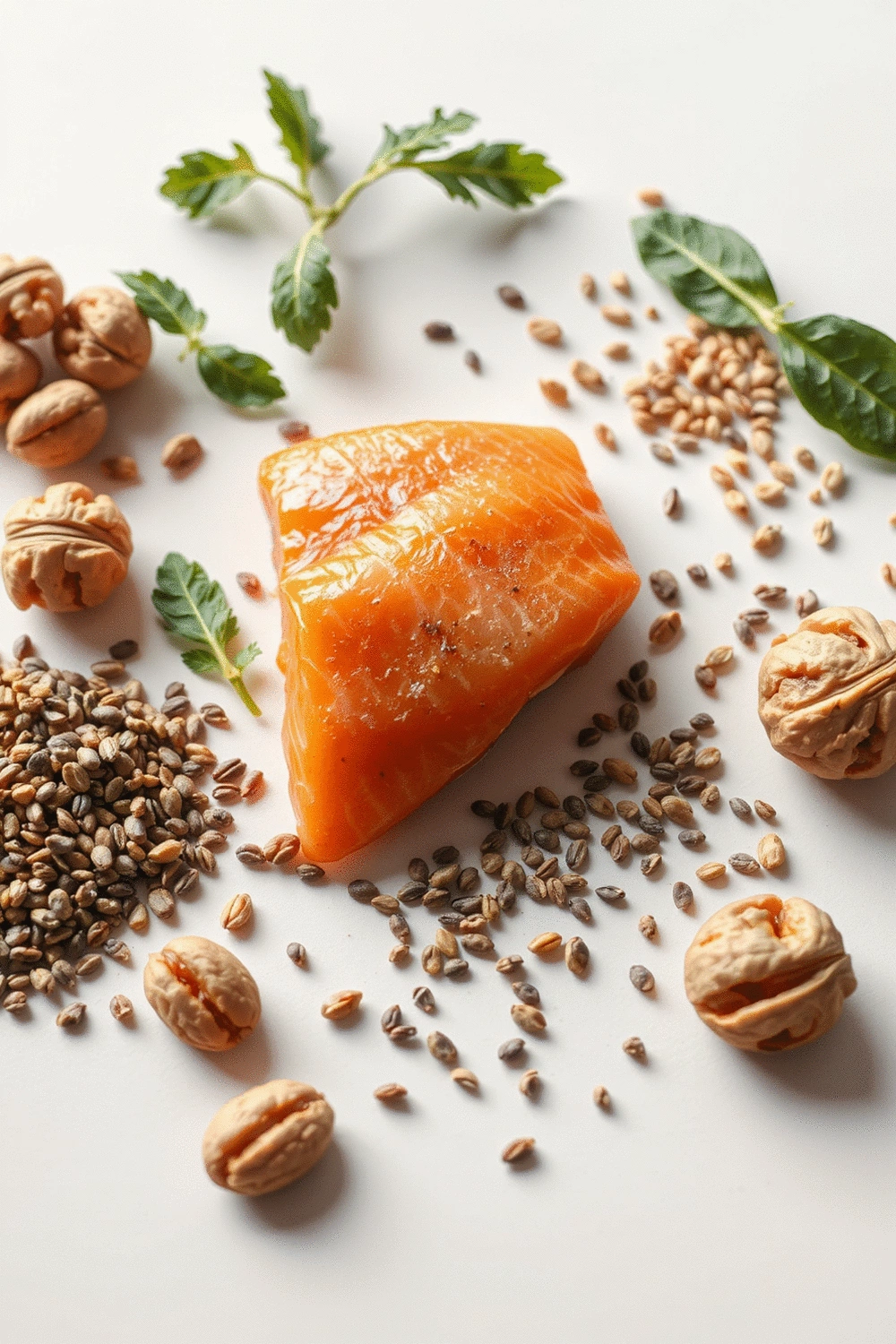
Evaluating the Impact of Nutrition on Your Skin Health Journey
As you start your journey towards healthier skin, it's essential to set realistic expectations. Nutrition plays a significant role, but results won't appear overnight. Give yourself grace as you make changes to your diet and understand that improving skin health is a gradual process. It’s about finding what works uniquely for you and your body!
Incorporating a balanced nutrition plan can yield amazing results, but it’s crucial to remember that everyone's skin responds differently. Some may notice improvements quickly, while others might take a little longer. Either way, sticking to your nutritional goals will lead you to a more radiant complexion over time!
Realistic Expectations: What to Anticipate from Dietary Changes
When embarking on this journey, think of your skin as a reflection of your overall wellness. Here are some things to keep in mind as you make dietary changes:
- Patience is key: Skin can take weeks to show improvements.
- Fluctuations are normal; don’t be discouraged by occasional breakouts.
- Be consistent with your nutrition plan and hydration levels.
By embracing these insights, you can foster long-term skin health rather than seeking immediate results. Remember, it’s a lifestyle change, not just a quick fix!
Adopting a Holistic Approach to Fitness and Skin Health
Taking care of your skin goes beyond just what you eat—it's about integrating all aspects of your lifestyle. A holistic approach means understanding how daily habits affect your skin. Here’s how to create a more supportive environment for your skin:
- Incorporate regular exercise to boost circulation.
- Ensure adequate sleep for skin regeneration.
- Manage stress through mindfulness or meditation practices.
When we consider the interconnectedness of our bodies, we're more likely to see the results we desire. At Women Fit Space Daily, I emphasize that every small change contributes to our overall well-being, including our skin health! To learn more about how physical activity can improve your complexion, check out this article on the impact of exercise on skin health.
Frequently Asked Questions (FAQs)
- Q: How do nutrients support skin health after workouts?
- A: Nutrient-rich foods help repair and regenerate skin cells, which is crucial after rigorous exercise when the skin may be stressed or lose essential nutrients.
- Q: What specific vitamins are crucial for healthy skin?
- A: Vitamins A, C, and E are particularly important. Vitamin A aids in cell production, Vitamin C is vital for collagen, and Vitamin E acts as an antioxidant.
- Q: What role do antioxidants play in skin protection?
- A: Antioxidants combat oxidative stress from environmental factors like pollution and UV rays, improving skin resilience and protecting it from damage.
- Q: How quickly can I expect to see improvements in my skin from dietary changes?
- A: Skin improvements typically take weeks to become noticeable. Patience and consistency with your nutrition plan are key, as results are gradual.
- Q: Besides nutrition, what other factors contribute to healthy skin?
- A: A holistic approach includes regular exercise to boost circulation, adequate sleep for skin regeneration, and stress management through mindfulness or meditation.
Take Action: Implementing Nutrition Changes for Better Skin
Now that we understand the role of nutrition in skin health, it’s time to take action! Making effective changes can lead to a noticeable improvement in your skin's appearance. Let’s explore how to create a plan that works for you.
Creating a Personalized Nutrition Plan
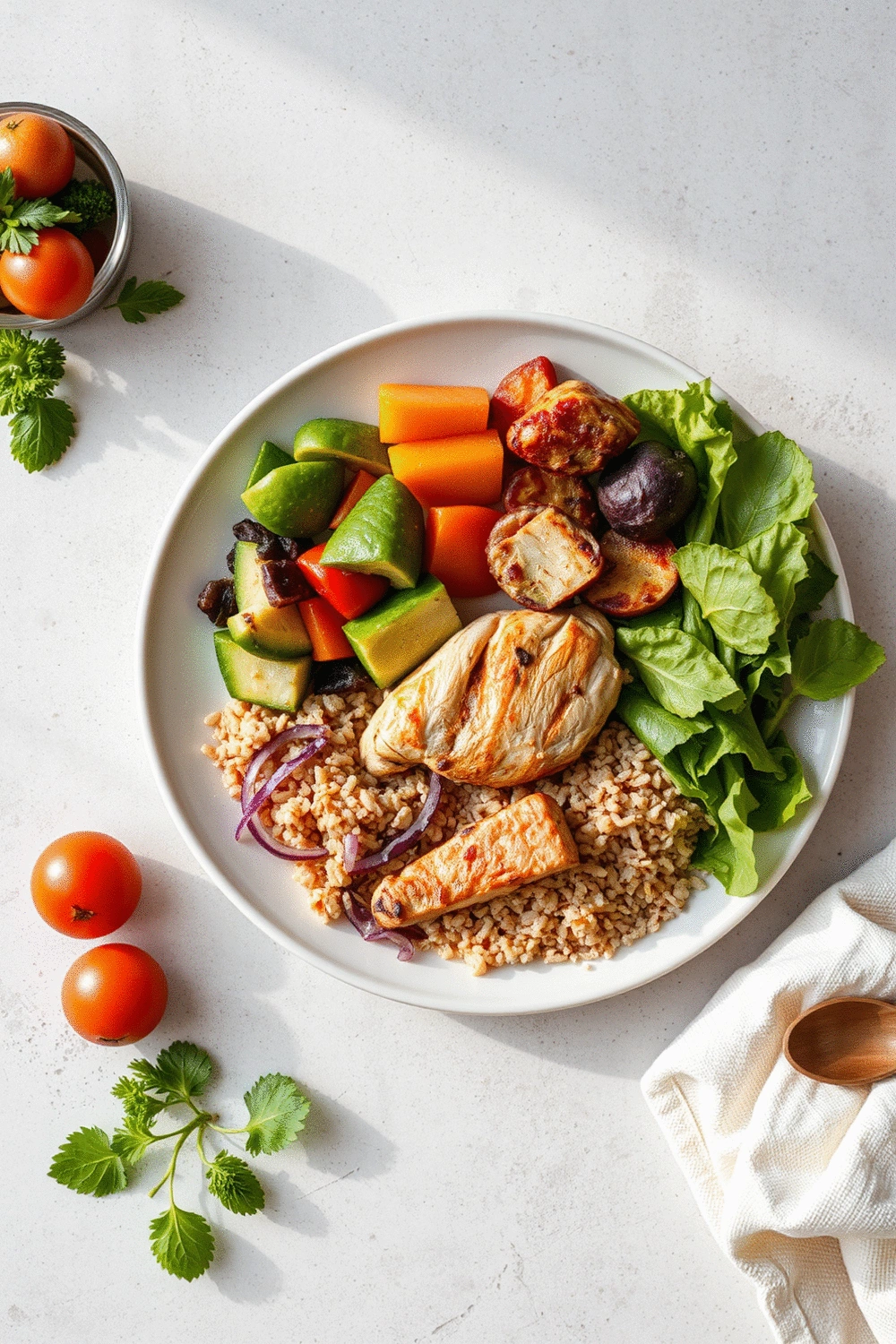
To start on the right foot, you need a nutrition plan tailored to your individual needs. Here are some steps to help you create a balanced meal plan that supports skin health:
- Identify your dietary needs and preferences.
- Include a variety of colorful fruits and vegetables for essential vitamins.
- Ensure proper hydration by incorporating hydrating foods and drinking plenty of water.
By crafting a plan that aligns with your fitness goals and lifestyle, you can enhance not only your skin but also your overall well-being! For more tips, check out my article on creating a balanced diet for fitness success.
Engaging with Experts: When to Seek Professional Advice
Sometimes, seeking guidance from a professional can make all the difference. If you have specific skin concerns or dietary restrictions, consider reaching out to a nutritionist or dermatologist. Here’s when you might want to seek expert advice:
- If you experience persistent skin issues despite dietary changes.
- When unsure about which supplements might be beneficial for your skin.
- If you need support in creating a personalized meal plan.
Remember, expert advice can help you navigate your unique journey. Don't hesitate to seek the support you need to achieve radiant, healthy skin! You can also find more detailed information on selecting the right yoga mats for optimal comfort and support during your exercise routines, which can indirectly contribute to overall wellness and stress reduction, by visiting yoga mat thickness and density for comfort.
Recap of Key Points
Here is a quick recap of the important points discussed in the article:
- Nutrition is crucial for skin health: A balanced diet supports skin repair, hydration, and inflammation prevention.
- Key nutrients for healthy skin: Vitamins A, C, and E, along with minerals like zinc and selenium, play vital roles in maintaining skin function.
- Incorporate antioxidants: Foods rich in antioxidants help protect the skin from damage caused by environmental stressors.
- Omega-3 fatty acids: Essential for reducing inflammation and maintaining skin hydration.
- Set realistic expectations: Skin improvements take time, and consistency in nutrition is key to achieving desired results.
- Adopt a holistic approach: Regular exercise, adequate sleep, and stress management contribute to overall skin wellness.