

What if you could transform your approach to menopause with a few simple dietary adjustments? Embracing this unique phase of life can be empowering, and the right nutrition can lead to improved health and well-being.
As an Amazon Associate I earn from qualifying purchases. Affiliate links may earn me a commission at no extra cost to you.
What You Will Learn
- Menopause brings hormonal changes that can affect physical and emotional health.
- Nutritional needs shift during menopause; focus on nutrient-dense foods.
- Calcium and Vitamin D are crucial for maintaining bone health during this phase.
- Creating sustainable habits through personalized nutrition and support enhances long-term success.
Nourishing Through Menopause: Key Nutrition Strategies for Women
Menopause is a significant phase in a woman's life, marking the end of reproductive years and bringing about various physiological changes. During this time, hormonal shifts can lead to symptoms like hot flashes, mood swings, and weight gain. Understanding these changes is crucial, as they can impact overall health and well-being.
As we navigate through menopause, we must acknowledge how these changes affect not just our physical health but also our emotional and mental health. The decline in estrogen can lead to changes in metabolism and body composition, making it important for us to adapt our nutrition to meet these new challenges.
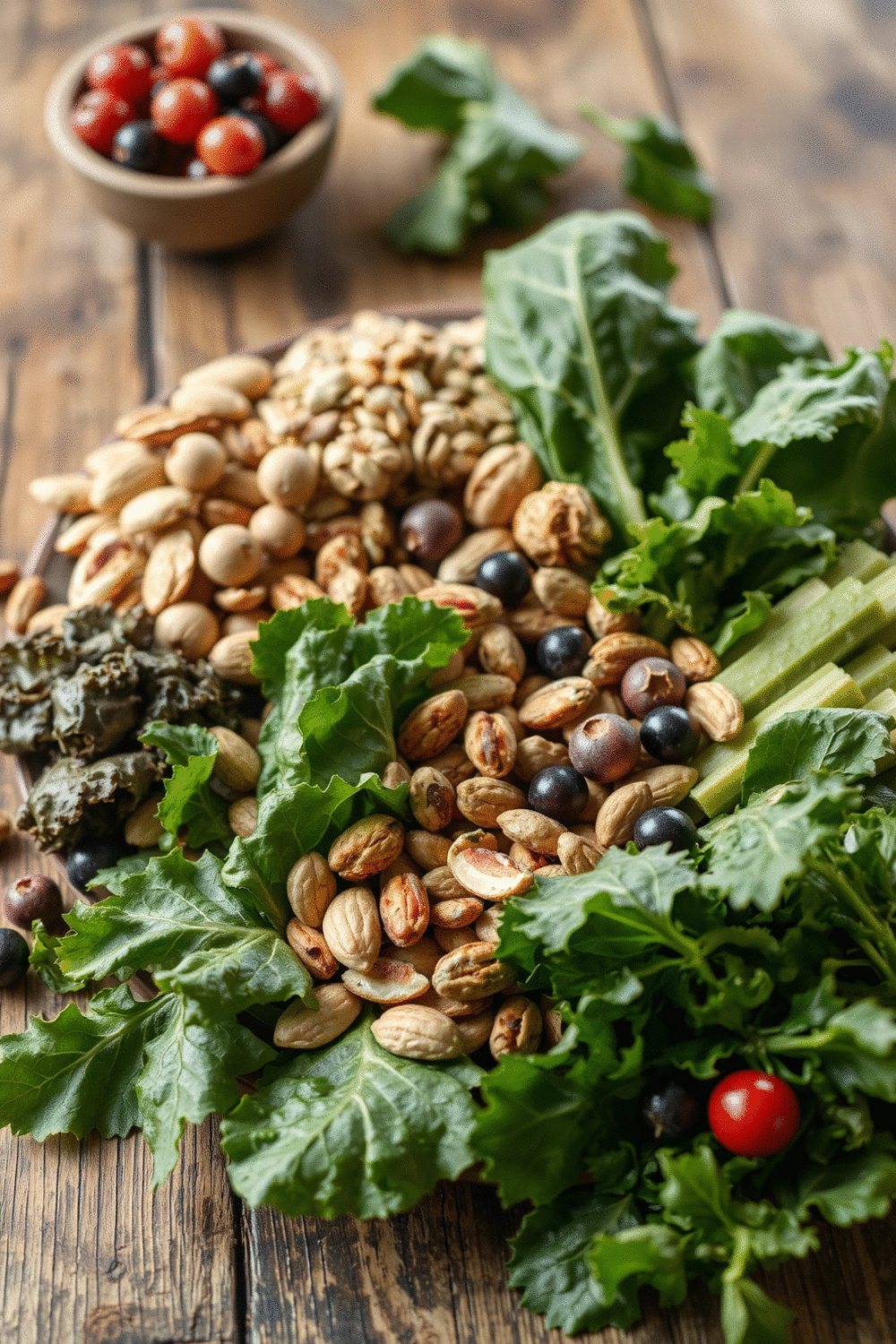
Understanding Menopause and Its Impact on Women's Health
Menopause typically occurs between the ages of 45 and 55, but each woman's experience is unique. During this time, our bodies undergo various changes, including decreased bone density and increased cardiovascular risk. It's essential to discuss these effects openly so that we can support each other in embracing this transition with strength and resilience.
- Hot Flashes: These sudden feelings of heat can cause discomfort and disrupt daily life.
- Mood Swings: Hormonal fluctuations may lead to increased emotional sensitivity.
- Weight Gain: Metabolic shifts can make it easier to gain weight, particularly around the abdomen.
- Bone Health: Decreased estrogen levels can impact bone density, increasing the risk of osteoporosis.
Recognizing these changes allows us to proactively address our health and well-being during menopause. By focusing on nutrition and maintaining a balanced lifestyle, we can effectively manage these symptoms.
Women’s Nutrition Needs During Menopause
As we transition through menopause, our nutritional requirements shift. It's not just about eating less; it's about eating smarter! We need to focus on nutrient-rich foods that support our evolving bodies. Here are some key nutritional adjustments:
- Increase Calcium: Aim for rich sources of calcium to support bone health.
- Boost Vitamin D: This vitamin helps with calcium absorption and overall bone strength.
- Healthy Fats: Incorporating sources of omega-3 fatty acids can help manage inflammation and support heart health.
- Protein Intake: As muscle mass tends to decline with age, ensuring adequate protein intake is vital for maintaining strength.
By prioritizing these nutrients, we can better navigate the physical changes of menopause. For more insights on how nutrition can specifically assist us during this phase, check out my post on unlocking vibrant health.
Taking Charge of Your Health: A Holistic Approach to Menopause
As we navigate through menopause, it’s vital to take an active role in our health! The nutrition strategies we've discussed—like incorporating healthy fats, ensuring adequate calcium and vitamin D, and understanding the role of phytoestrogens—can make a significant difference in our overall well-being. Not only do these changes support our bodies during this transition, but they also empower us to embrace this new phase with confidence.
Remember, a holistic approach means taking into account not just what we eat, but also how we feel and move. By focusing on nourishing our bodies with wholesome foods and integrating regular exercise, we can enhance our health and vitality during menopause.

For additional strategies on enhancing your physical well-being, explore our guide on the benefits of using a foam roller for recovery, which can complement your nutritional efforts.
Encouragement for Long-term Success: Creating Sustainable Habits
Creating sustainable habits is a journey, not a sprint! Here are a few tips that have helped many women maintain their dietary and lifestyle changes over time:
- Personalize Your Plan: Tailor your nutrition and exercise routine to fit your lifestyle.
- Set Realistic Goals: Aim for small, achievable targets that lead to bigger changes over time.
- Stay Consistent: Consistency is key! Try to stick to your routines even on busy days.
- Seek Support: Engage with a community or consider working with a nutrition professional for guidance.
By taking these steps, we can create a lasting impact on our health. Remember, it's all about finding what works best for you!
Your Next Steps: Meal Planning and Resources
Ready to take charge? Start by creating a meal plan that aligns with the nutritional strategies we’ve talked about. A practical approach can help simplify your week and ensure you’re getting the nutrients needed for optimal health. If you’re unsure where to begin, check out my article on meal planning tips that can guide you through the process!
Also, don’t hesitate to reach out to nutrition professionals who can help you navigate this journey more effectively. Having a support system is crucial!
Engage with the Community: Share Your Experiences
I’d love to hear from you! What strategies have you found most helpful during menopause? Do you have nutrition tips that have made a difference in your life? Let’s create a supportive space where we can share experiences, ask questions, and learn from one another. Your insights could inspire someone else on their journey!
Understanding Nutritional Deficiencies: Keys to Enhanced Quality of Life
Nutritional deficiencies can be common during menopause, impacting energy levels and overall health. Some of the most prevalent deficiencies include:
- Calcium: Essential for bone health, especially as bone density decreases during menopause.
- Vitamin D: Aids calcium absorption and supports immune function.
- Iron: Important for energy levels and overall vitality.
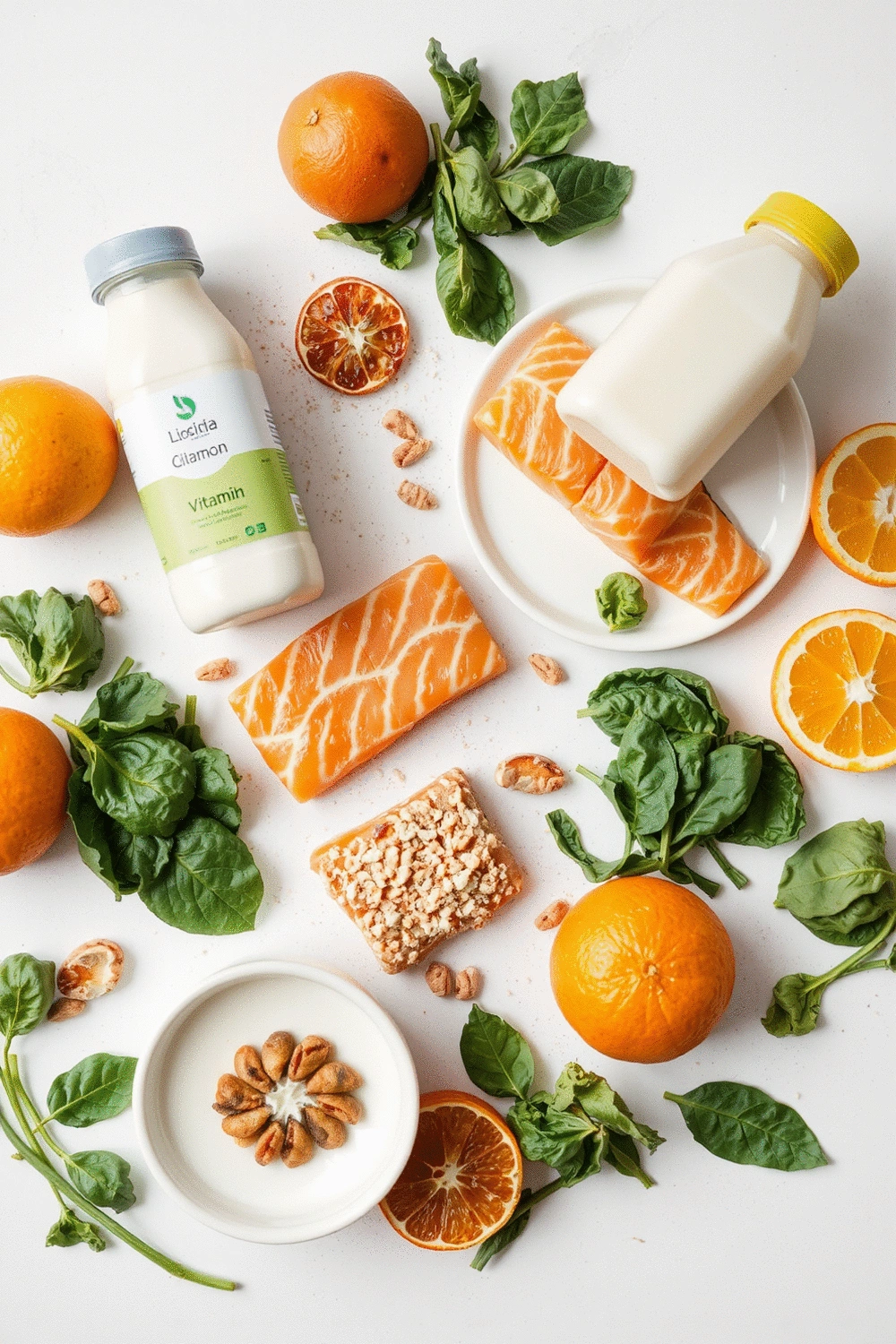
Addressing these deficiencies through a balanced diet, rich in fruits, vegetables, and lean proteins, can significantly enhance your quality of life. As always, check with a healthcare professional to ensure you’re on the right track!
To further support your journey, consider incorporating mindful practices. You can learn more about finding balance and peace in your daily routine by reading about top meditation cushions for mindful sitting.
Frequently Asked Questions (FAQs)
- Q: What are the main hormonal changes experienced during menopause?
- A: During menopause, women experience a significant decline in estrogen levels, which can lead to symptoms like hot flashes, mood swings, weight gain, and decreased bone density.
- Q: How do nutritional needs change during menopause?
- A: Nutritional needs shift to support evolving bodies. It's important to increase intake of calcium and Vitamin D for bone health, incorporate healthy fats for inflammation and heart health, and ensure adequate protein to maintain muscle mass.
- Q: Why are Calcium and Vitamin D particularly important during menopause?
- A: Decreased estrogen levels during menopause can impact bone density, increasing the risk of osteoporosis. Calcium is essential for bone health, and Vitamin D helps with calcium absorption, making both crucial for maintaining strong bones.
- Q: What are some practical tips for creating sustainable healthy habits during menopause?
- A: To create sustainable habits, personalize your nutrition and exercise plan, set realistic and achievable goals, strive for consistency, and seek support from a community or nutrition professional.
- Q: What are common nutritional deficiencies during menopause and how can they be addressed?
- A: Common deficiencies include Calcium, Vitamin D, and Iron. These can be addressed through a balanced diet rich in fruits, vegetables, and lean proteins. Consulting a healthcare professional is also recommended to ensure proper management.
Recap of Key Points
Here is a quick recap of the important points discussed in the article:
- Understand the impact of hormonal shifts during menopause, including symptoms like hot flashes and mood swings.
- Focus on key nutritional adjustments such as increasing calcium and vitamin D for bone health.
- Incorporate healthy fats and adequate protein to support overall health and muscle maintenance.
- Adopt a holistic approach by combining nutrition with regular exercise and emotional well-being.
- Create sustainable habits by personalizing your plan, setting realistic goals, and seeking community support.